The Story
Why it exists.
The beginning
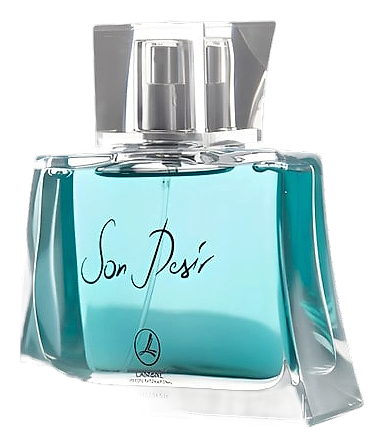
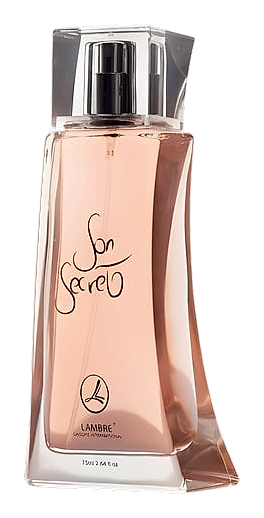
Son Secret arrived as half of Lambre's debut duo, paired alongside Son Desir. The French naming, 'her secret,' points toward something close to the wearer, a scent meant to be worn privately before it becomes something others discover. Bertrand Duchaufour signed the composition. His hand shows in the careful balance of brightness and softness that runs through the juice, the kind of restraint that lets each note arrive at its own pace rather than crowding the opening. On skin, the fragrance opens with a lift of citrus, brief and clean, the sort of green-tart brightness that prickles at the edges before settling. The white floral heart unfolds gradually, dense without ever feeling heavy. There's a milky quality to the bloom, almost like crushed petals held just under the nose.
What sets Son Secret apart from a hundred other white florals is the unusual choice to open with Philadelphus coronarius. Wild jasmine, also called mock orange, is a shrub from southeastern Europe whose blossom smells closer to orange blossom than to true jasmine, with a honeyed, almost fruity sweetness. Most commercial florals reach for sambac jasmine or rose to anchor the heart. Duchaufour chose a more obscure white flower to lift the opening. The heart layers six florals together, which is a generous amount by modern standards. Jasmine, orchid, iris, honeysuckle, peony, and ylang-ylang all share a single function: softness. Nothing green, nothing sharp, nothing spicy. The iris is the structural material.
The evolution
The first fifteen minutes belong to the citrus. Bergamot and mandarin hit bright and almost sharp, a quick flash that makes you think the fragrance will go in a much cooler direction. Red berries sit underneath, sweet but not jammy, like currants rather than raspberries. Then the wild jasmine, the Philadelphus, lifts the entire opening into something honeyed and sunlit. A walk through a garden in early June. Around the thirty-minute mark, the white florals begin to take over. The jasmine and ylang-ylang arrive together, and the composition shifts from bright to creamy. The orchid adds a waxy, almost tropical richness, while the iris pulls everything into powder. This is the longest phase, roughly two hours of a dense, almost milky floral. The peony and honeysuckle keep it from going too heavy, adding a green-edged freshness that prevents the heart from feeling syrupy. The sandalwood and musk settle in slowly during the final two hours. The sandalwood here is soft, creamy, more like warm wood than sharp timber.
Cultural impact
Son Secret occupies a particular corner of the white floral category. It's a composition built around Philadelphus, also called mock orange, a less common floral note in modern perfumery, paired with iris, rose, sandalwood, and a base of musk and vanilla. The choice of Philadelphus as a centerpiece signals a more deliberate creative direction than the brand's accessible framing might suggest, a flower with a slightly bruised, almost green-honeyed scent that reads differently from the more common jasmine-tuberose pairings in this genre. Bertrand Duchaufour's involvement shows in the composition's restraint.