The Story
Why it exists.
The beginning
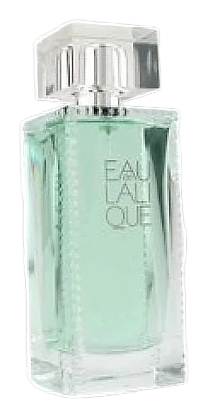
Eau de Lalique emerged in 2003 as the second scent from Lalique's fledgling perfume house, following the debut of Lalique de Lalique. The house, famed for its Art Nouveau crystal, wanted a fragrance that could echo the same sculptural clarity in scent form. Perfumers Emilie Bevierre-Coppermann and Jean Jacques set out to create something that felt both fresh and warm, using citrus and spice at the opening to establish immediate vibrancy before settling into more enduring woods and resins. The goal was a fragrance that could function like crystal catching light: bright on the surface, complex underneath.
The note philosophy here centers on balance between brightness and warmth. The opening's citrus and spice create immediate appeal, but the inclusion of dill shows the house wanted unexpected complexity rather than straightforward fresh scent. The heart's floral combination of freesia and hibiscus with cinnamon's presence ensures warmth enters early rather than arriving unexpectedly. The base prioritizes depth over diffusion, with benzoin doing the work of connecting the floral heart to the woody drydown while keeping everything cohesive. The result is a fragrance that doesn't shout but rewards wearing over time.
The evolution
The scent journey moves from vibrant to Intimate through deliberate layering. The opening with its bergamot, lemon, and spice notes creates visual freshness that quickly morphs as cardamom and allspice emerge. The transition to the heart introducing cinnamon alongside freesia and hibiscus marks a shift from sharp energy to warmer, more rounded presence. The drydown then anchors the experience in guaiac wood, sandalwood, and benzoin, creating substance that lasts while musk adds skin-close comfort. The overall arc feels less like a linear trip and more like watching light refract through crystal, with each phase revealing new facets.
Cultural impact
Since its 2003 debut, Eau de Lalique has become a quiet conversation starter among fragrance enthusiasts who appreciate its unconventional dill note. Wearers often remark that the scent feels like a refined garden stroll, setting it apart from more conventional citrus‑spice blends. Its moderate sillage and three‑hour longevity make it suitable for both office environments and evening outings, earning a modest but loyal following that values the house’s artistic heritage as much as the perfume itself.