The Story
Why it exists.
The beginning
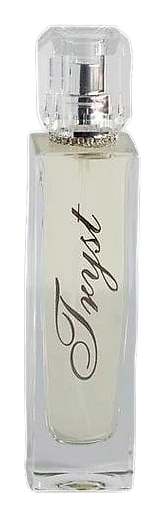
Tryst was born from a 1677 royal archive, a perfume recipe from an era when scent was less adornment and more ceremony. Lady Primrose treats those centuries-old formulations as a living archive, historical texts pulled from a period when fragrance carried ritual weight, when what you wore signaled who you were before you spoke. The brand's release pulls from that well, building a composition around white lily, fleur d'oranger, and chamomile, flowers that have been speaking the language of courts and conservatories since long before the word tryst carried its current weight. The fragrance leans into its name's quiet implications. A tryst implies something agreed upon, something private, something chosen.
What makes Tryst interesting isn't the lily or the jasmine. It's the restraint around them. The green notes cut the sweetness before it tips into syrup. Chamomile lends a soft herbal calm that keeps the white florals from turning bridal. White tea arrives as a structural choice, not a novelty. It cools the composition and stretches it, making the whole thing read lighter than its actual concentration. The 1677 inspiration reads less in the specific notes and more in the overall posture, a floral that takes itself seriously without taking itself too far.
The evolution
The opening arrives cool and almost aquatic, green notes and chamomile leading before the florals have fully woken up. It smells like crushed stems more than petals, vegetal, slightly bitter, the garden before the flowers open. The composition shifts as it warms on skin, moving into what feels like its intended register: a creamy, sun-warmed white floral that suggests a conservatory more than a meadow. Jasmine threads through the heart but never takes over, adding a skin-warm quality without pushing the scent into indolic territory. As the hours pass, the white tea makes its presence known. The whole thing settles into something quieter and softer against the skin. The drydown is where Tryst shows its restraint: no heavy base slams the door, just a clean, slightly powdery warmth that holds close. On fabric, the white floral lingers, faded but still legible the morning after.
Cultural impact
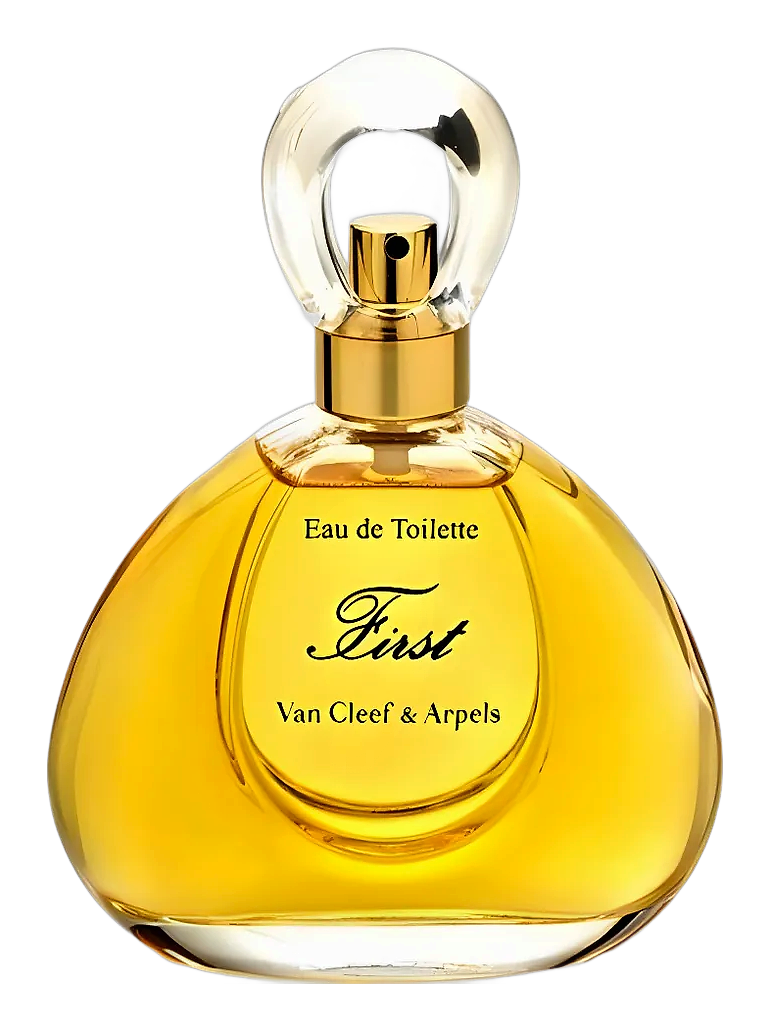
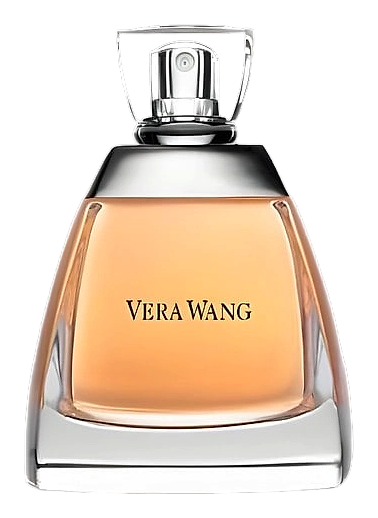
Tryst sits comfortably in the lineage of composed white florals, the kind of fragrance that recalls Vera Wang, Hermès 24 Faubourg, and Van Cleef & Arpels First without directly imitating any of them. The 1677 archival inspiration gives it a provenance most modern florals can't claim, rooting the composition in a specific historical document rather than a general aesthetic mood. Wearers tend to be drawn to its restraint. This is not a scent that performs. It rewards proximity, not projection. The fragrance occupies a particular niche: substantial enough to feel like a statement, composed enough to stay quiet.