The Story
Why it exists.
The beginning
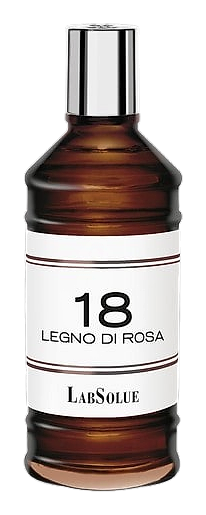
Ilias Ermenidis built 18 Legno di Rosa around a quiet contradiction. Legno di Rosa, or rosewood, has no botanical connection to roses. It's the fragrant heartwood of the Aniba Rosaedora, a tree native to South American forests, distilled from trunk and leaves. The rosewood itself carries a faintly sweet, woody warmth, and Ermenidis built a composition that works with that character rather than trying to reproduce a literal rose. Pimento leaf contributes a green, spicy sweetness with a slightly medicinal edge, the kind of brightness that cuts through richer materials. Clary sage brings an herbaceous, almost musky quality, green in a dried-leaf way rather than a fresh-cut way. Together these three create something that smells like wood, spice, and herb in conversation.
Pimento leaf gives a sweet-spicy dimension that rosewood lacks on its own. The leaf carries a warmth reminiscent of baking spices, with a slightly peppery undertone that adds lift. Clary sage provides the herbaceous backbone, dry and aromatic with that signature musky sweetness that sage brings to compositions when used in moderation. The result is a triangle: wood supplies the foundation, sage brings the herbal tension, pimento supplies warmth. The rosewood doesn't announce itself with sharp woody brightness.
The evolution
The first fifteen minutes lean herbal. Clary sage opens with that slightly musky, hay-like quality, green but not grassy. Pimento leaf threads underneath, warming the composition from below. Rosewood arrives not as a note but as a texture, rounding out the sharpness with something smooth and faintly sweet. By the thirty-minute mark the sage recedes, the pimento takes a step forward, and the rosewood fills the space they leave. The middle hours belong to that sweet, woody warmth, the drydown holding steady without dramatic shifts. After four to five hours the pimento fades first, leaving clary sage and rosewood in a quieter, more intimate register. On fabric the next morning, it reads warmer and softer. The wood lingers longest. Always the wood. What makes this drydown interesting is how the spice resolves rather than disappears.
Cultural impact
Within LabSolue's numerically-coded lineup, 18 Legno di Rosa sits among the woody compositions. The fragrance treats rosewood as a material to be explored honestly rather than dressed up with floral embellishments or synthetic shortcuts. It rewards someone curious about the actual scent of rosewood rather than the rose-scented idea of it, and the composition's restraint speaks to a perfumery philosophy that values transparency. The result is a woody composition that lets its ingredients stand on their own, neither apologizing for the gap between name and reality nor trying to close it with shortcuts.
The House
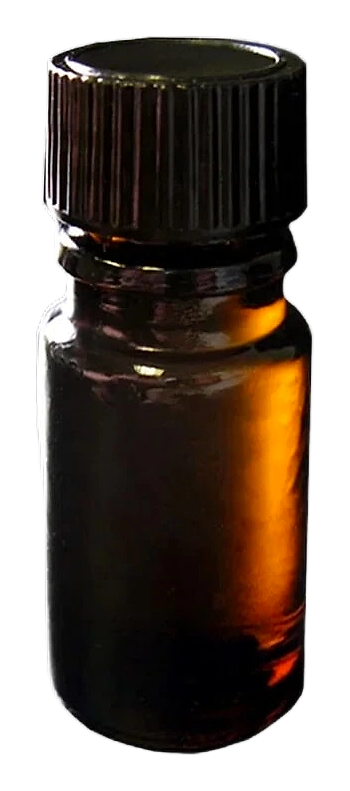
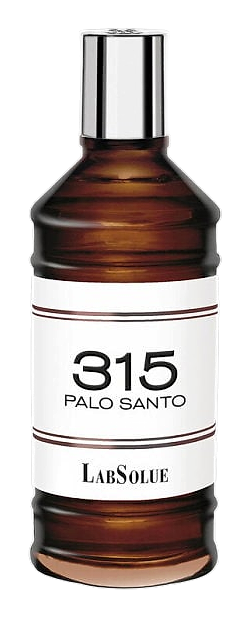
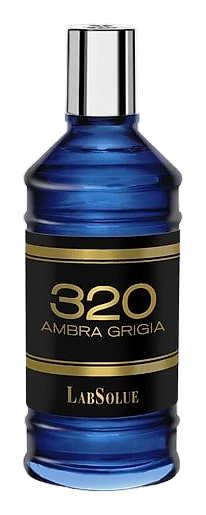
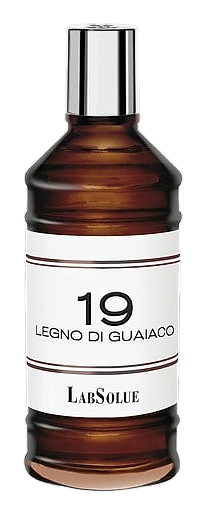
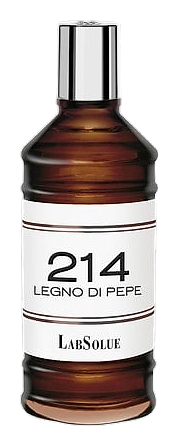
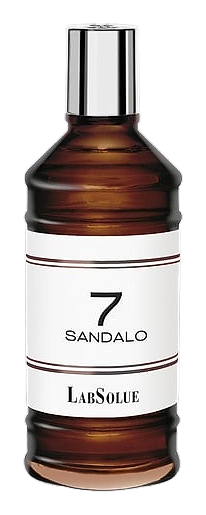
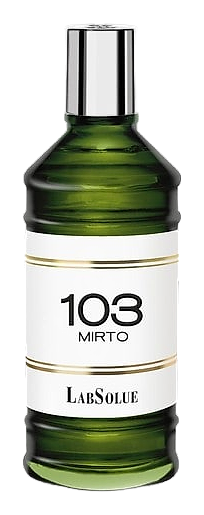
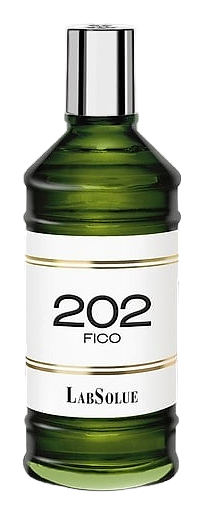
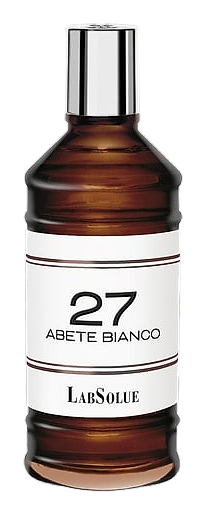
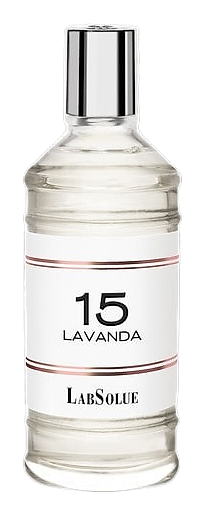
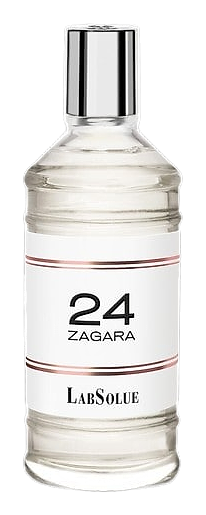
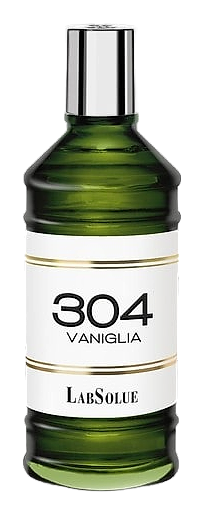
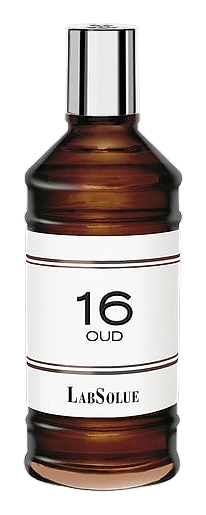
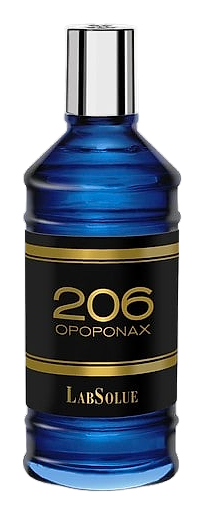
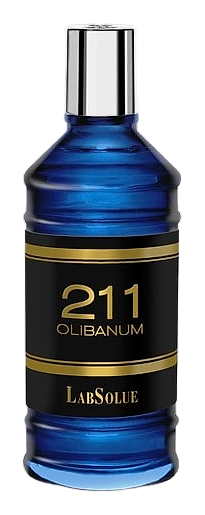
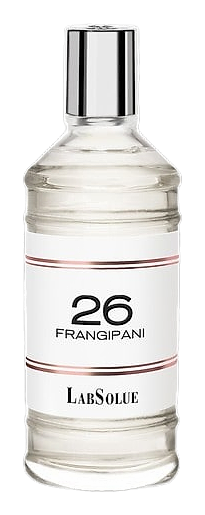
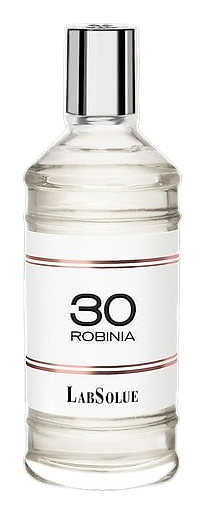
LabSolueLabSolue is an Italian niche perfume house that blends artisanal craft with modern lab techniques. Based in Milan, the brand offers a curated line of fragrances that draw on natural ingredients and a family tradition of scent making. Each scent arrives in a bottle that references historic apothecary vessels, while the formulas emphasize balance and depth. LabSolue also designs home diffusers that echo the same amber‑glass aesthetic, extending the olfactory experience beyond personal wear.
The Creator
Ilias ErmenidisThe Greek-Turkish nose favors transparent structures built on a solid base of natural absolutes. He reaches for oud, ambergris, and rose de mai, but always layers them with unexpected modifiers—citrus zest, spice tinctures, or a whisper of leather.