The Story
Why it exists.
The beginning
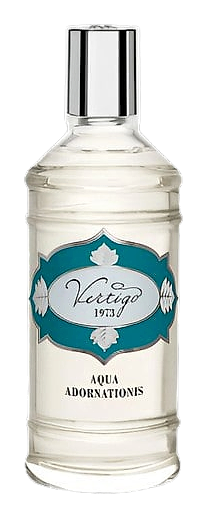
Vertigo 1973 sits inside LabSolue's Aqua Adornationis collection, a series that gathers compositions around a shared idea of how scent moves between raw material and finished form. Dominique Ropion composed it in 2017, working with patchouli, olibanum, labdanum, vetiver, and cedar, each one a material with long standing in fragrance history. Ropion's structure keeps these dense, resinous elements locked together from the first spray. The title itself carries a sense of slow rotation, a gradual descent through layers of resin, smoke, and green bitterness, grounded by woods that hold their weight through every phase of the wear.
What makes Vertigo 1973 distinctive is the artemisia, or wormwood, running through its core. Ropion threads artemisia through the top and heart to keep the patchouli from settling into its usual earthy predictability, and the result is a composition that opens green before turning dense. The labdanum and cistus bring a leathery, ambered warmth that sits underneath, while frankincense adds a smoky lift. The structure is built on tension: green against resinous, sharp against dense, each note pushing against the next.
The evolution
The first ten minutes lean sharp. Artemisia opens the scent with a green, almost bitter edge, joined by nutmeg's dry warmth. It reads cool, herbal, slightly medicinal, the way wormwood does on its own. Within thirty minutes, the wood and resin begin to surface. Patchouli arrives soft and grounded, not the sweet, fermented kind, but drier, smokier. Labdanum brings the amber warmth, and frankincense adds a thread of cool smoke that never quite rises to the surface. From the two-hour mark onward, vetiver and cedar take over, producing a dry, slightly rooty finish that clings to skin. The composition evolves quietly for several hours, each phase layering onto the last without abrupt transitions. As the hours pass, the green sharpness softens, and the base notes gain prominence, with vetiver's earthiness and cedar's dry warmth becoming the defining features.
Cultural impact
Vertigo 1973 belongs to a category of compositions that privilege dryness and green bitterness over the sweetness common in much contemporary perfumery. The artemisia-led structure positions it within a specific lineage of green-woody fragrances, drawing on materials and approaches that have appeared in classical perfumery for generations. The composition's resistance to sweetness, its emphasis on resin and smoke, and its herbal core distinguish it from amber-heavy formulations that dominate the broader market.