The Story
Why it exists.
The beginning
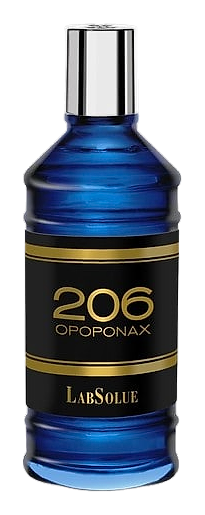
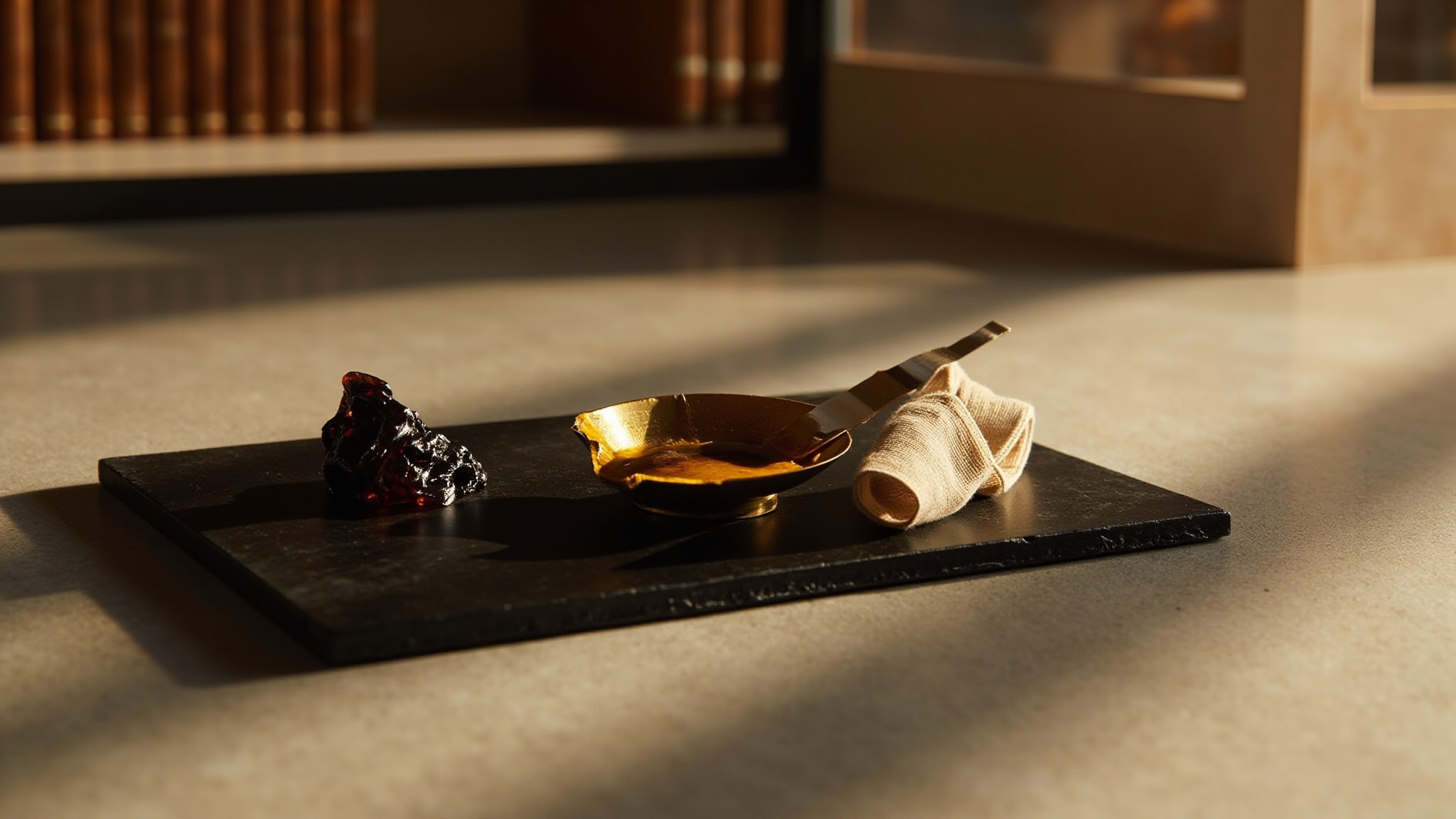
Aliénor Massenet built 206 Opoponax as a single-ingredient meditation, one resin elevated to the center of the composition rather than buried in the base. The opoponax tree yields a dark, soft gum from Somalia and Ethiopia, long valued for its supposed healing properties and its unusual depth: less bright than myrrh, more enveloping than frankincense. Massenet framed it as "embracing," and the four-note structure, Opoponax, Benzoin, Vanilla, Cistus, confirms the intent. No top notes, no citrus lift, no green exit ramp. Just the resin, from first spray to final drydown.
What makes this composition unusual is its structural economy. Most fragrances use opoponax as a supporting player in amber or incense accords. Here it holds the spine, and the supporting materials (benzoin for sweetness, labdanum for warmth, vanilla for comfort) each play a role without competing for attention. The composition reads as an uninterrupted slope from resin to resin, dressed in softer materials, with the opening brightness most compositions rely on quietly absent from the architecture.
The evolution
The opening arrives dense and slightly medicinal, the raw character of opoponax showing up before anything rounds it off. There's a faint bitterness underneath, the kind that signals real resin rather than a reconstructed accord. As the composition settles, the benzoin begins to soften that edge, pulling the fragrance toward something almost candied without crossing into sweetness. The vanilla arrives quietly in the background and never takes over, content to add comfort rather than presence. As the hours pass, the drydown settles into a warm, skin-close blend where the resin and balsamic materials add a faintly leathery, sun-warmed quality. The opoponax holds its character through the late stages, shifting from its initial density into something softer and more intimate, while the cistus adds a quiet herbaceous undertone beneath the sweetness.
Cultural impact
206 Opoponax places opoponax, a balsamic resin, into a contemporary wearable context, composed by Aliénor Massenet. Opoponax itself carries a long association across perfumery as a base-note material valued for its warm, resinous depth and its ability to anchor heavier florals and orientals. In this composition, the resin takes a more central role than usual, supported by benzoin, cistus, and vanilla, and the effect reframes what a single-material composition can offer.