
The Story
Why it exists.
The beginning
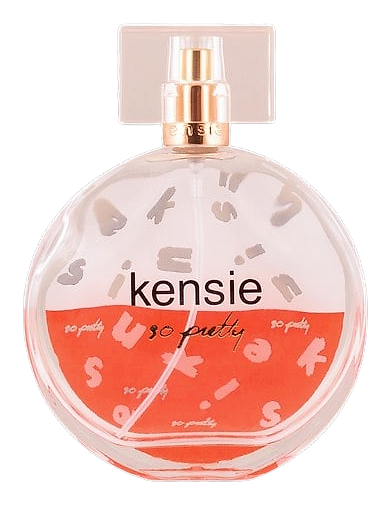
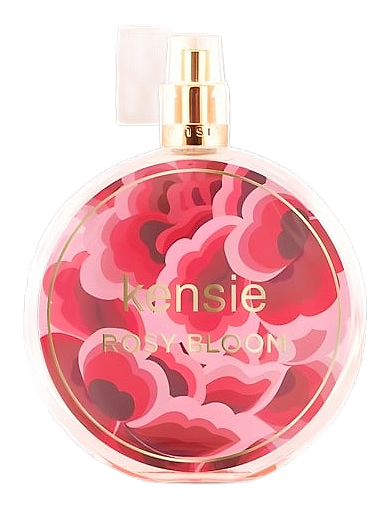
Rosy Bloom landed in 2022 as part of Kensie's seasonal rotation, the brand's answer to the customer who wants something new without committing to a signature. The name tells you everything: it's about the moment flowers start to open, not the full garden in bloom. Kensie designed it for the woman who rotates fragrances the way she rotates handbags, seasonally, joyfully, without ceremony. No perfumer credit, no ingredient origin story. Just a composition built to smell like the first warm day of the year.
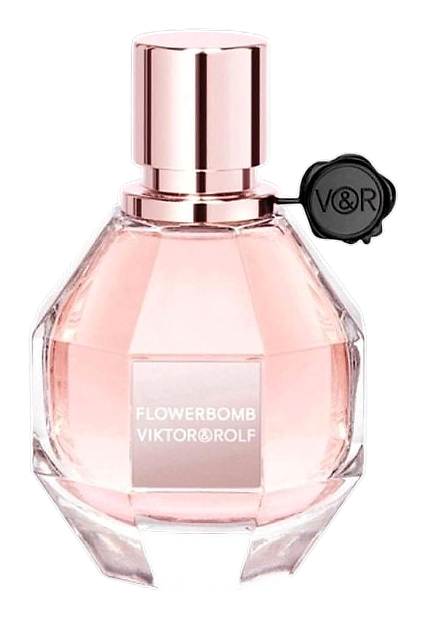
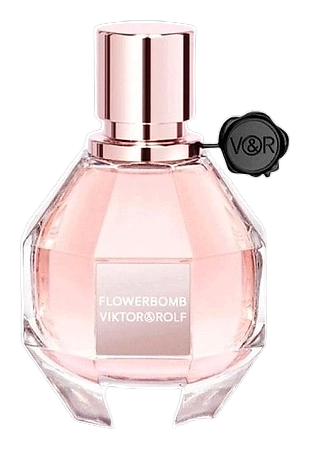
What makes Rosy Bloom interesting isn't what it promises, it's what it delivers. Seven heart notes could easily collapse into floral chaos, but the citrus top keeps them in line. The honeydew melon and raspberry don't compete with the rose; they undercut it, keeping the whole thing fruity and grounded. It's the anti-Flowerbomb, where that composition announces itself, Rosy Bloom just shows up.
The evolution
The opening hits like biting into a cold apple, crisp, almost green, with the mandarin and kumquat adding a bright citrus edge that doesn't linger. Within minutes the florals arrive: cyclamen and freesia pushing through first, bringing a cool, almost dewy quality before the rose briefly surfaces around the twenty-minute mark. Then it retreats. The heart settles into honeydew melon and lily of the valley, quieter, softer, the scent of a garden after rain. The base is where it earns its longevity: amber warming under the musk, creating a skin-close finish that lingers for four to six hours on most. The next morning there's a faint sweetness on the wrist, like the ghost of the fruit rather than the florals.
Cultural impact
Rosy Bloom landed in 2022 within a market segment that had fully embraced accessible fruity-floral compositions. The fragrance arrived during a period when mass-market brands were increasingly competing on brightness, wearability, and approachability rather than distinctiveness. Its straightforward citrus-fruit-floral structure reflects a design philosophy that prioritizes broad appeal over artistic complexity, mirroring shifts in how mainstream consumers discover and purchase fragrance.