

Heritage
A house, in its own words
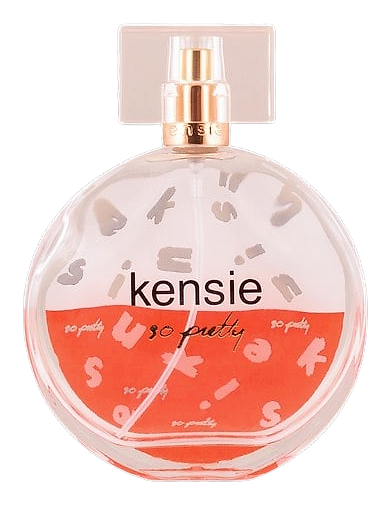
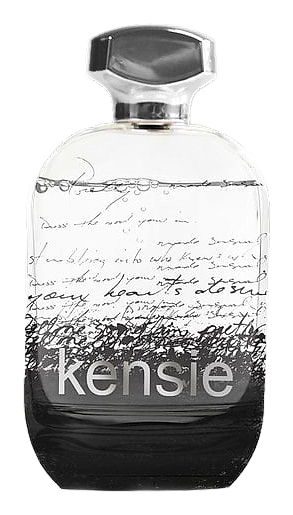
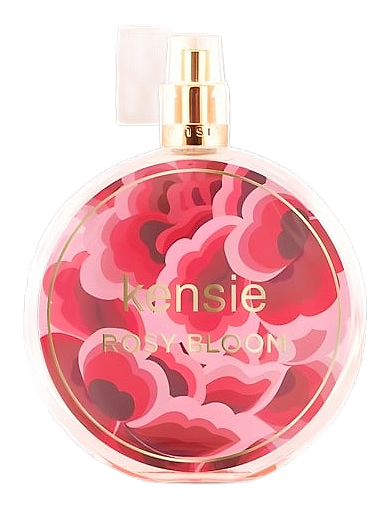
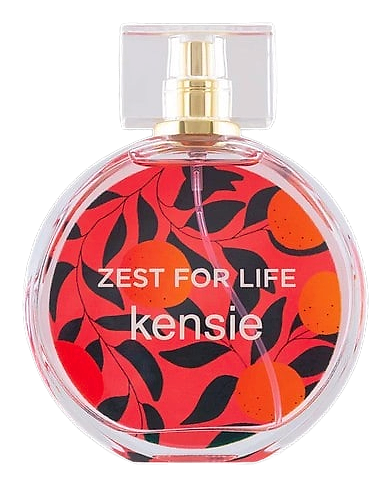
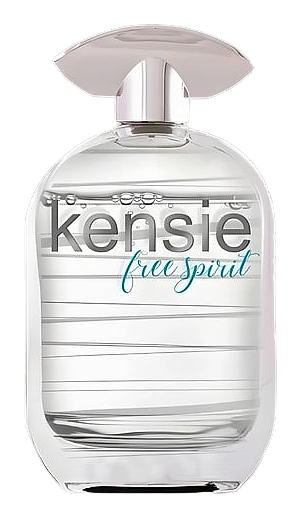
Kensie traces its roots to the fashion industry, where founders Lani and Eric Karls built the brand as a contemporary women's clothing label before recognizing an opportunity in the beauty and fragrance space. The exact year the Karls established their fashion company remains unclear from available sources, though their expansion into fragrance occurred with the 2016 debut of the signature Kensie scent. This move represented a natural progression for a lifestyle brand seeking to extend its identity beyond apparel into complementary product categories. The fashion house had already established a distinct visual language and customer base when it introduced fragrance, allowing the brand to leverage existing brand equity. By 2020, the fragrance collection had expanded to include So Pretty, marking a deliberate push toward the youthful, girlish positioning that would define subsequent releases. The years 2022 and 2023 saw the brand accelerating its fragrance output with multiple new introductions including Buttercup Babe, Zest For Life, and Rosy Bloom, suggesting a strategic prioritization of beauty as a growth category. Throughout this expansion, the brand maintained its direct-to-consumer retail model, building an email relationship with customers and avoiding the wholesale distribution that characterizes many competing fashion fragrances. This approach allows the company to control narrative and margin simultaneously, a consideration that likely shaped which fragrances entered development and which remained in concept phase. Kensie approaches fragrance as an act of self-expression rather than olfactory investment. Where heritage houses craft perfumes meant to be collected and aged like wine, Kensie treats scent as a seasonal accessory, as disposable and delightful as a new handbag. The brand's naming conventions reveal this philosophy in action: So Pretty, Zest For Life, and Free Spirit describe moods and attitudes rather than fragrance families or ingredient stories. Buttercup Babe suggests a particular aesthetic, Rosy Bloom conjures a specific feeling, but neither promises the jasmine兮rose兮sandalwood pyramid that traditional perfumery conventions demand. This naming strategy sidesteps the intimidation factor that plagues many fragrance newcomers who feel they lack the vocabulary to select a scent. Instead, Kensie invites customers to choose based on the person they want to become or the occasion they want to inhabit. The fragrance line appears designed to be collected rather than mastered, encouraging layering, switching, and seasonal rotation over the committed long-term relationship that classical perfumery advocates. This philosophy aligns with the broader fashion industry shift toward transience and trend-chasing, treating fragrance as fast fashion for the body rather than artisanal craft for the shelf. The brand reportedly avoids the perfumer celebrity culture that dominates premium fragrance marketing, instead keeping the creative process opaque and positioning the product as brand property rather than individual artistic vision.