The Story
Why it exists.
The beginning
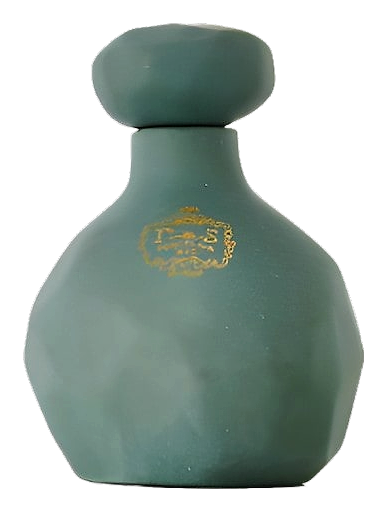
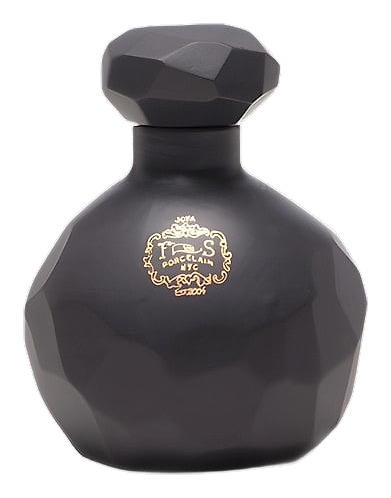
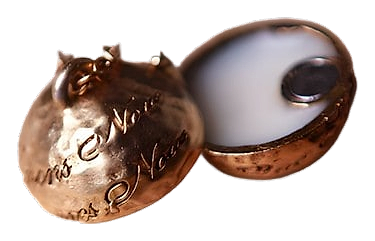
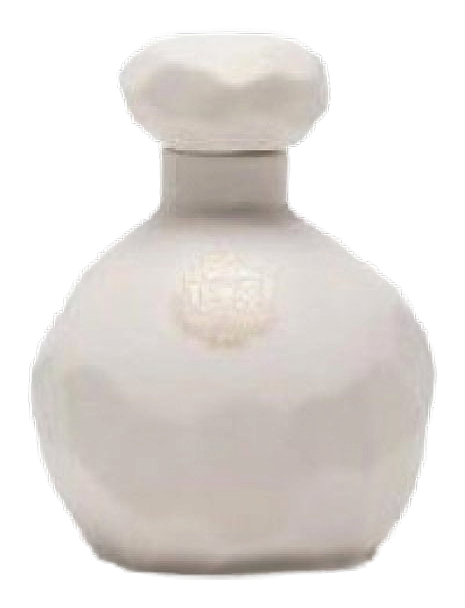
Composition No. 1 was released in 2010, and Perfumer Rayda Vega built this composition around a deceptively simple idea: citrus opening, floral heart, warm wood base. The kind of structure that sounds obvious until you realize how rarely anyone pulls it off without one note shouting over the others. The brief reads through every facet of the release: wearable intimacy. Something you dab on in the morning and forget about until a coworker leans too close at 3 PM and says, "What is that?" The name says it plainly. No mythology, just the opening statement of a perfume built around its own logic. The juice is an eau de parfum, and the bottle format is a roll-on, which already tells you something about the intention. Vega isn't chasing projection.
What makes the composition work isn't any single note, it's the restraint. Mandarin, orange, and quince form a citrus trio that could easily tip into bathroom-fresh territory, but Vega keeps the brightness grounded with quince's slightly fuzzy, almost wine-like sweetness, the kind of fruit-skin texture that rounds out the zest instead of sharpening it further. Then the florals arrive, and this is where most citrus-florals collapse under their own ambition. Camellia adds the cool, watery lift, almost like the first sip of cold water after sun.
The evolution
The first fifteen minutes are bright and almost sparkling. Mandarin and orange do their thing upfront, sharp and sweet, with quince adding that subtle fruit-skin fuzz underneath. You expect it to stay there. It doesn't. Around the twenty-minute mark, the florals start pressing through, and the shift is less a transition than a slow tide coming in. Camellia leads with its cool, clean quality, like stepping from sun into shade. Then the warmer florals arrive: heliotrope's almond-cream softness, jasmine's indolic warmth, tuberose's creamy depth, rose threading everything together into something that feels whole. The composition settles into a skin-scent floral for the next three to four hours, and this is where Vega's restraint pays off. The florals don't just sit on the surface.
Cultural impact
Composition No. 1 sits in a space where restraint is the point. It's a citrus-floral that never raises its voice, built on proportion and quiet confidence rather than loud projection. The kind of fragrance you wear when you want to feel composed rather than noticed. There's nothing here that chases compliments or demands attention; the structure does the work, and the florals do the talking. In a category that often equates strength with sillage, Composition No. 1 argues for the opposite: a scent that holds close, that rewards proximity over performance.
The House
JoyaJoya is a Brooklyn-based fragrance design studio founded by Frederick Bouchardy in 2006. The name, Spanish for jewel, reflects the studio's approach to scent as precious and carefully considered objects. Joya operates as both a creator of its own distinctive fragrance collections and as a private-label producer for other brands. The studio designs, develops, and manufactures fragrances, candles, soaps, and perfumed oils entirely in-house at its Clinton Hill headquarters. This dual identity as both creator and manufacturer gives Joya a unique position in the fragrance landscape, bridging artisan craft with industrial capability.
The Creator
Rayda VegaHer signature style favored grounded elegance over theatrical excess. Vega worked comfortably across scales, from intimate indie compositions to larger commercial projects, bringing the same rigor to each.