Rayda Vega
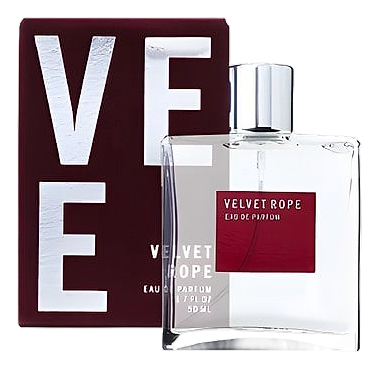
Rayda Vega built her career at the intersection of instinct and expertise, becoming a respected voice in American perfumery long before the term 'niche' became a selling point. She began as a freelance perfumer, working closely with brands and collaborators who recognized her gift for capturing complexity in deceptively simple forms. Her partnership with East Fork, a company rooted in craft and community, spanned years and produced work that reflected her understanding of how scent inhabits daily life. Vega brought a rare quality to her compositions: she could anticipate what people wanted to smell before they had the language for it. Her work with Apothia, including the notable Velvet Rope, demonstrated her comfort with bold, sensory statements. Across her catalog, from Ambrosia to Staghorn Sumac, she displayed a preference for compositions that felt lived-in rather than constructed. Those who worked with her describe someone who approached fragrance as a form of storytelling, each creation a chapter in a larger conversation about memory, place, and presence. Vega's recent passing left a gap in the fragrance community, but her influence continues through the work she left behind.
The hits
Notable creations

The signature
How Rayda composes
Her signature style favored grounded elegance over theatrical excess. Vega worked comfortably across scales, from intimate indie compositions to larger commercial projects, bringing the same rigor to each. She had a particular affinity for resinous and woody materials, gravitating toward ingredients that develop over hours rather than minutes. Her use of unexpected green notes, visible in Staghorn Sumac, showed her willingness to push against convention when a material demanded it. Vega's work tended toward quiet confidence rather than immediate impact, compositions that reveal themselves gradually. She understood that lasting fragrance is about presence, not performance.
Philosophy
What drives Rayda
Vega operated from the belief that fragrance should feel inevitable rather than calculated. She resisted the temptation to chase trends, instead focusing on what endures: materials handled with care, compositions that reward attention over time. Her process began with understanding context—who would wear this, where, and why. She saw herself as a translator, converting abstract ideas into something tangible and wearable. This pragmatic creativity defined her approach to consulting work, where she helped brands articulate fragrance visions they could not yet articulate themselves. Vega valued collaboration highly, understanding that the best perfume work happens in dialogue with others.
The houses