
Heritage
A house, in its own words
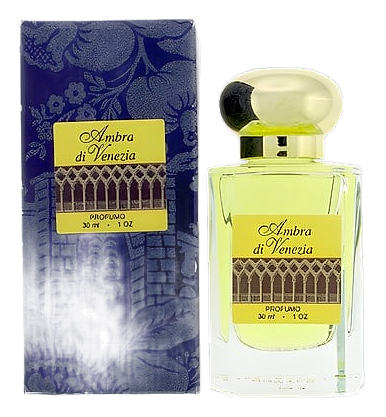
Montgomery Taylor launched his fragrance career at Takashimaya New York in 1998, a prestigious department store known for curating distinctive luxury and artisanal products. This debut marked a significant pivot for Taylor, who had spent the previous six years as president at Calibration, a company operating in an entirely different sector. The self-taught perfumer approached fragrance composition as an outsider, bringing an unconventional perspective to scent creation that contrasted sharply with the formal training typical of established noses in the industry. His first fragrance, Ambra di Venezia, arrived in a market saturated with celebrity-backed perfumes and mass-market offerings, positioning itself as an alternative for discerning consumers seeking something different. The 1998 launch coincided with a broader renaissance in niche perfumery, as Western consumers began exploring artisanal and independent fragrance houses beyond the traditional designer and fashion perfume establishments. Taylor's decision to debut at Takashimaya rather than a conventional perfume counter reflected his intention to reach a specific audience of fragrance connoisseurs who shopped specialty retailers. By 2003, he expanded the line with Paratus, a scent whose name derives from Latin and translates to ready or prepared, offering a different olfactory direction from the inaugural launch. The brand maintained its independent status throughout the 2000s and 2010s, avoiding acquisition by larger fragrance conglomerates that consumed many contemporary niche houses during the boutique perfume boom. Coverage in publications including ELLE, Vogue, and Town and Country introduced the brand to readers beyond New York, establishing a loyal following among collectors who valued Montgomery Taylor's singular creative vision and low-profile marketing approach. Montgomery Taylor built his fragrance house on the conviction that scent creation requires no formal pedigree, only sensitivity to materials and a willingness to experiment. His self-taught background shaped a philosophy rooted in personal discovery rather than classical perfumery education, allowing him to work outside established conventions and traditional fragrance families. Taylor approaches each fragrance as an exploration of materials, composing scents that reflect his own aesthetic preferences rather than market research or trend forecasting. This independence from commercial pressures enables a distinct creative freedom that many niche houses claim but few execute with such apparent directness. The brand's philosophy emphasizes authenticity over accessibility, producing fragrances that speak to specific sensibilities rather than broad appeal. Taylor has described his process in interviews as intuitive, working directly with raw materials to understand their behavior and potential combinations. The decision to avoid naming a house perfumer reflects a broader philosophy that fragrance creation belongs to the founder, not a contracted creative professional. Montgomery Taylor's philosophy also encompasses a commitment to limited production, ensuring each scent receives careful attention rather than industrial scaling. The brand's quiet presence in the market, without aggressive advertising or celebrity endorsements, reinforces a core belief that quality speaks for itself. Taylor's background as president at Calibration, a company in a completely different field, suggests a broader philosophy that expertise in one domain can translate into another through dedication and self-education.