The Story
Why it exists.
The beginning
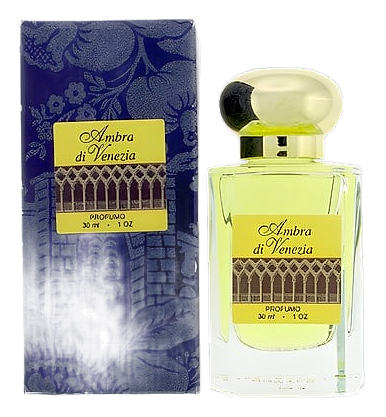
Ambra di Venezia makes its entrance with the kind of presence that announces a house's intentions. Rayda Vega composed it. The name points toward Venice, toward something Mediterranean and sun-warmed, but the composition is its own thing entirely: narcissus as a centerpiece, not a background player. Jasmine carries weight. Mango and tangerine provide the initial brightness, a tropical introduction that feels both inviting and precise. By the time sandalwood settles in, you've been wearing something that knew exactly what it wanted to be from the first spray. The fragrance announces its intentions clearly from the opening notes, establishing a confident trajectory that holds steady through its evolution.
The narcissus is the tell. Narcissus absolute carries a green, slightly bitter floralcy that most perfumers either avoid entirely or bury under sweetness, it's the note that makes daffodils smell like daffodils and not like generic spring flowers. Using it prominently in a women's fragrance required either confidence or ignorance. Rayda Vega had the first. The mango adds tropical weight without tipping into sunscreen territory, while the sandalwood ensures the drydown stays warm and close rather than dissolving into air.
The evolution
The opening hits hard, lime sharp, tangerine bright, mango sweet and immediate. Thirty minutes in, the citrus softens and the florals arrive. Jasmine asserts itself first, creamy and present, then the narcissus edges in with that green, slightly bitter edge that keeps the sweetness honest. Sandalwood begins its slow build, not replacing the florals but adding weight beneath them. As the hours pass, the composition settles into sandalwood territory, warm, slightly powdery, intimate rather than projecting. The jasmine lingers close to skin long after the citrus has faded. The narcissus doesn't disappear. It deepens, settling into the composition like a secret kept well, its green bitter edge softening into something that feels essential to the whole rather than a separate element. The drydown maintains that sense of closeness, that invitation to lean in rather than step back.
Cultural impact
Ambra di Venezia carved a specific niche: warm, tropical florals that resist both heaviness and blandness. It offered something distinct, a composition that balanced accessibility with genuine character. The self-taught house approach meant no safety net, either it worked or it didn't. It worked. The fragrance succeeds because it refuses to compromise, because it trusts the wearer to appreciate florals that have actual presence and sweetness that has been kept honest. It's the kind of scent that earns loyalty through specificity, through the confidence of its choices rather than the safety of familiar formulas.