

The Story
Why it exists.
The beginning
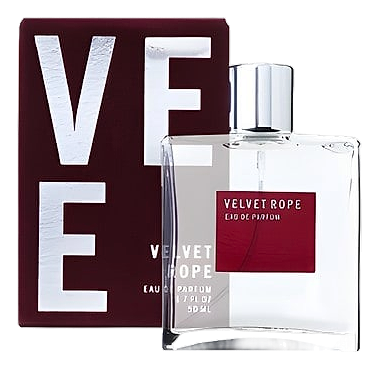
Velvet Rope emerged from a specific question Rayda Vega was asking in 2005: what happens when vanilla refuses to be soft? The dry vanilla martini concept became the answer, a fragrance that used grapefruit and jasmine not to sweeten, but to complicate. The result is something that reads as cool rather than warm, restrained rather than enveloping. It doesn't reach for you. It waits.
The tension lives in the opening. Grapefruit here isn't a gentle citrus, it's sharp, almost bitter, cutting through the juniper with an astringent quality that announces this isn't a polite floral. The jasmine doesn't arrive to soften. It arrives to deepen. And the vanilla, the supposed comfort, reads cool, almost aloof. White musk in the base doesn't warm the composition the way you'd expect. It lingers, close to the skin, intimate rather than announced. The fragrance's name tells you everything: there's access, and then there's what lies beyond it.
The evolution
Juniper and grapefruit hit first, sharp and almost medicinal. The grapefruit doesn't sweeten as it develops, it stays bitter, and the juniper grows, giving the opening an aromatic quality that feels more gin than citrus. Twenty minutes in, jasmine enters, but it's not the heady, tropical jasmine of summer nights. It's green, slightly bitter, amplified by cypress leaf that gives the heart an aromatic, slightly resinous character. The rose petals arrive quietly, more texture than statement. The vanilla appears by the second hour, but it's dry, cool, more martini glass than dessert. The drydown is white musk and patchouli, staying close, intimate, for hours.
Cultural impact
Velvet Rope has spent nearly two decades dividing opinion. The fragrance inspires fierce loyalty among those who connect with its sharp, dry character, described by fans as intoxicating, boozy, seductive, and equal resistance from those who find its grapefruit-jasmine tension too austere. It's not a fragrance that aims to please everyone. It aims to mean something to someone.
The House
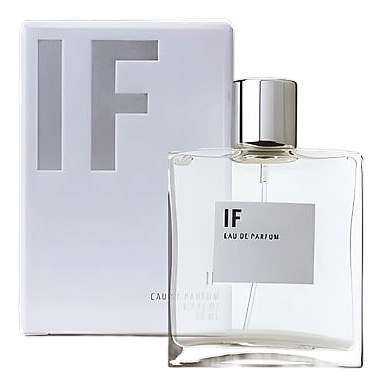
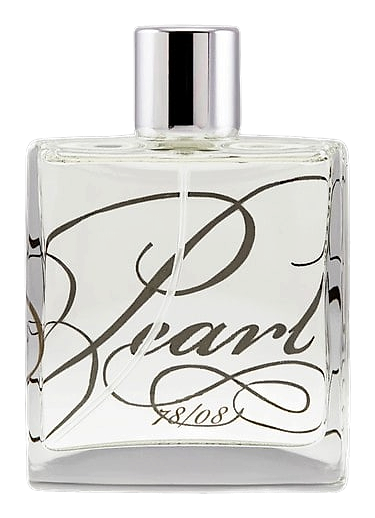
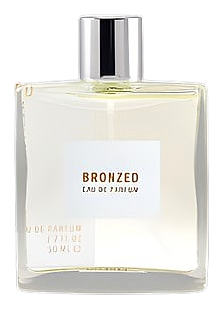
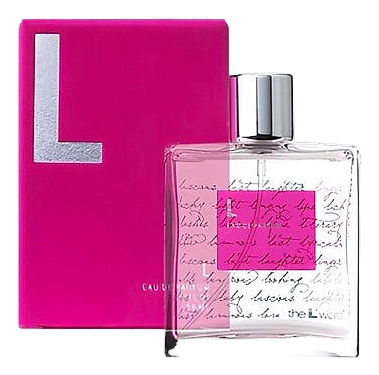
ApothiaApothia is a Los Angeles-based fragrance house founded by retail visionary Ron Robinson in 2000. The name itself tells the story: a portmanteau of 'apothecary' and 'utopia,' signaling an ambition to create olfactory experiences that feel both remedial and aspirational. Robinson, who spent over three decades discovering and nurturing brands, opened his own doors as one of the original tenants at Fred Segal, the legendary West Coast retail institution that shaped American lifestyle shopping. Apothia emerged from that environment, conceived within Robinson's own RON ROBINSON store. The brand built its identity around a distinctly Californian sensibility: fragrances that prioritize openness and accessibility over complexity, inspired by the state's landscape and terrain rather than European perfumery traditions rooted in structured layering. The debut fragrance, IF, launched alongside the brand in 2000 and remains a signature. Subsequent releases including Velvet Rope, Pearl, L Eau de Parfum, Bronzed, and CA The California have expanded the collection while maintaining this geographic and aesthetic thread.
The Creator
Rayda VegaHer signature style favored grounded elegance over theatrical excess. Vega worked comfortably across scales, from intimate indie compositions to larger commercial projects, bringing the same rigor to each.