
The Story
Why it exists.
The beginning
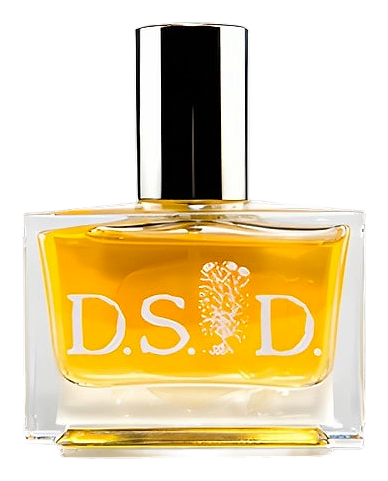
Staghorn Sumac came from a collaboration between D.S. & Durga and Joya, released in 2011 as a limited edition. The concept: windswept grasslands of the Great Plains, translated into something wearable. Not a literal translation, no soil, no dust, no barn. Just the feeling of wide open space, compressed into a bottle. Rayda Vega composed it with David Seth Moltz, building from grass as the foundation. The sumac was the reference point, a plant that grows wild across the American landscape, tannic and slightly smoky, carrying a different kind of green than what you'd find in a garden.
Grass, lily, and sumac. Three notes that shouldn't work together, the first is almost nothing, the second is expected, the third is unexpected. Sumac in Western cuisine carries tannic brightness, a slight astringency, sometimes a smoky edge. Here it grounds the composition without darkening it. The lily doesn't perform, no indolic sweetness, no heavy white floral bomb. It arrives clean, almost transparent. What makes this structure interesting is the restraint: instead of layering complexity, it subtracts. Fewer notes, more space between them. The fragrance earns its green character not from abundance but from what it leaves out.
The evolution
The opening is pure grass, not the sharp cut of a lawn, but the softer smell of stems after rain. It lasts maybe twenty minutes. Then the lily enters, understated, almost transparent. Neither the grass nor the lily dominates. They coexist. Around the second hour, sumac arrives. Not as a spice, it's subtler here, a warm tannic quality that shifts the fragrance from fresh to something with more depth. The musk anchors it. The whole thing stays close to skin, intimate, a quiet companion rather than a statement. Six hours in, on fabric, there's a faint trace, green, slightly animalic, like a shirt worn all day and dried in open air.
Cultural impact
Staghorn Sumac exists as a limited collaboration between D.S. & Durga and Joya, released in 2011 and now discontinued. It found its audience among those who seek green fragrances without the typical citrus opening or heavy floral heart, wearers who wanted something closer to standing in tall grass than to a traditional perfume composition. The fragrance occupies a specific corner of the DS&Durga catalog: not the assertiveness of Cowboy Grass or the historical specificity of Beverly Hills 1985, but something quieter and more personal. Those who wore it tended to appreciate what it didn't do, no projection war, no sweetness, no compromise on its grassland reference.