Sumac
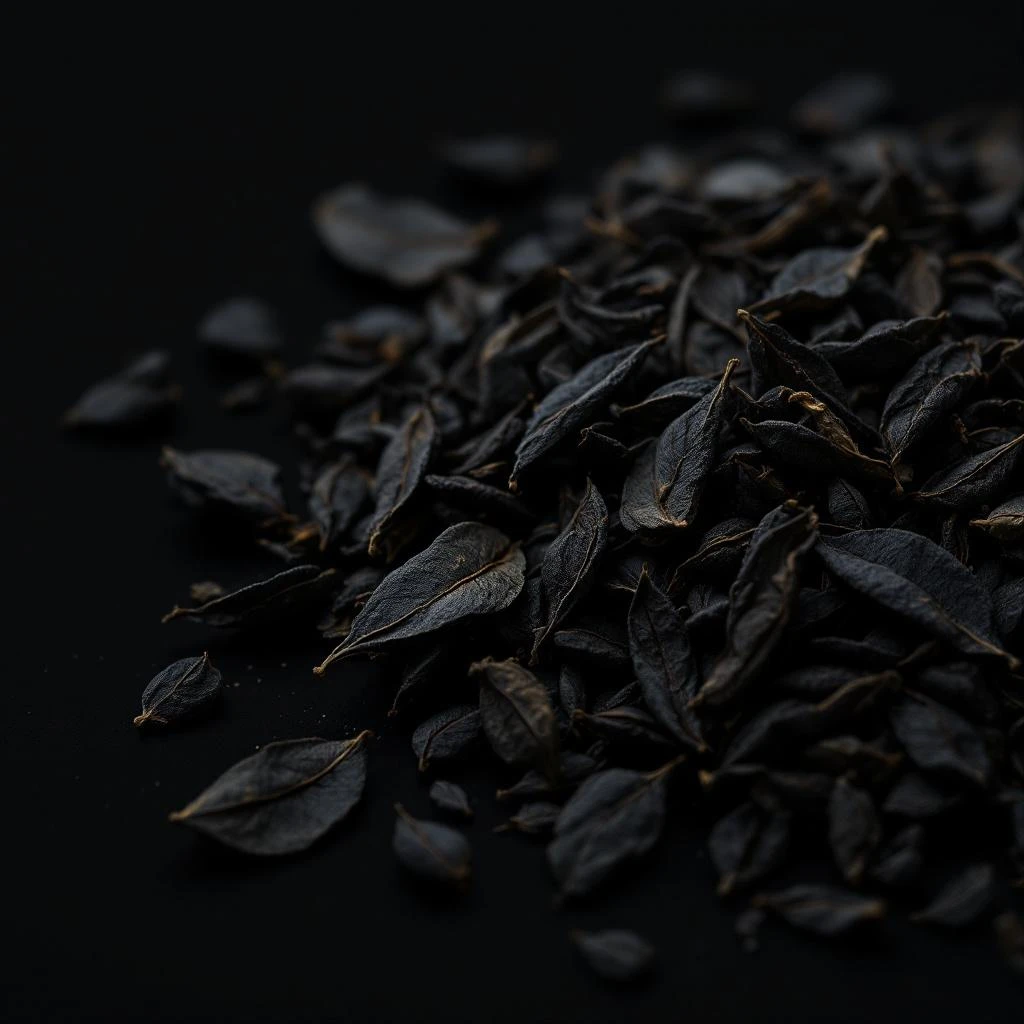
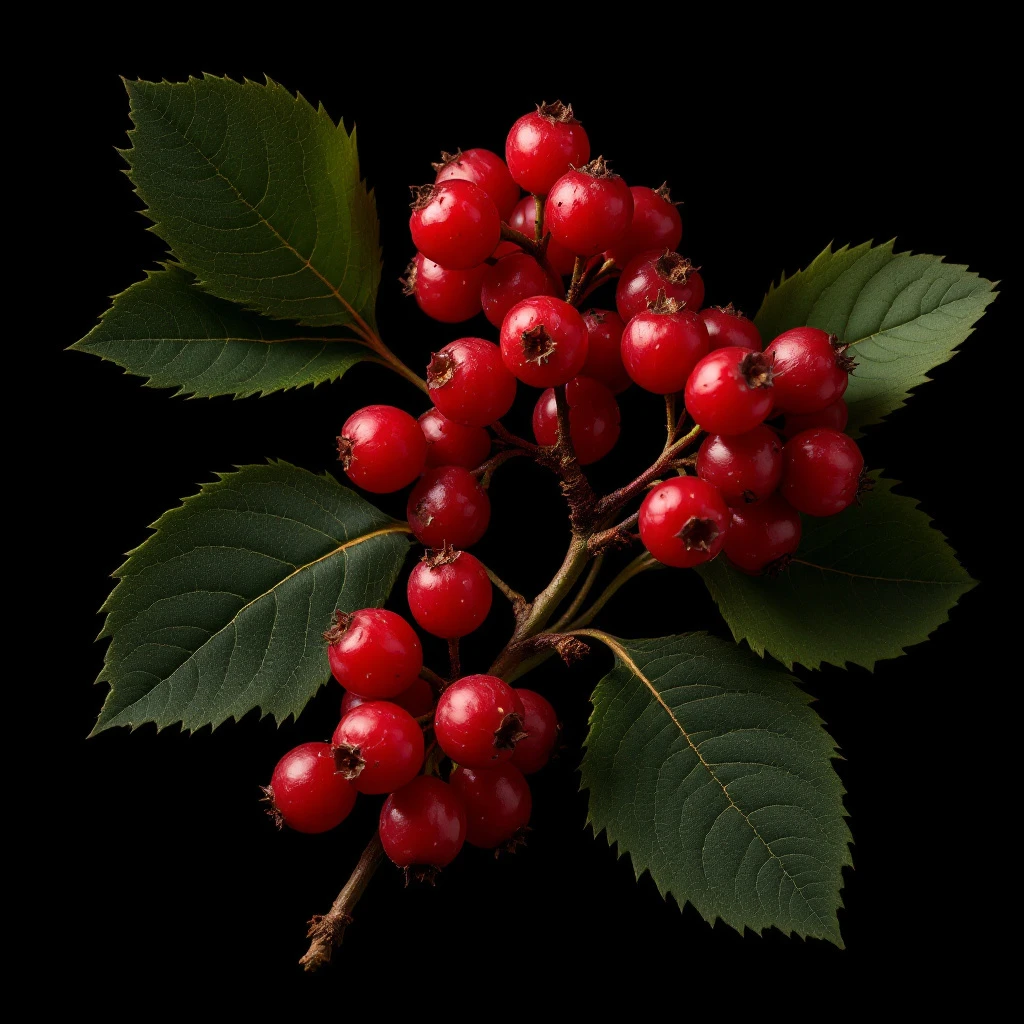
Sumac brings a sharp, tart brightness to fragrance compositions. Its berry-derived aroma carries verdant, almost lemony facets with subtle balsamic undertones that add unexpected depth to oriental and green perfumes.
Character
How it smells
Sharp, tart, berry-bright — a Mediterranean secret.
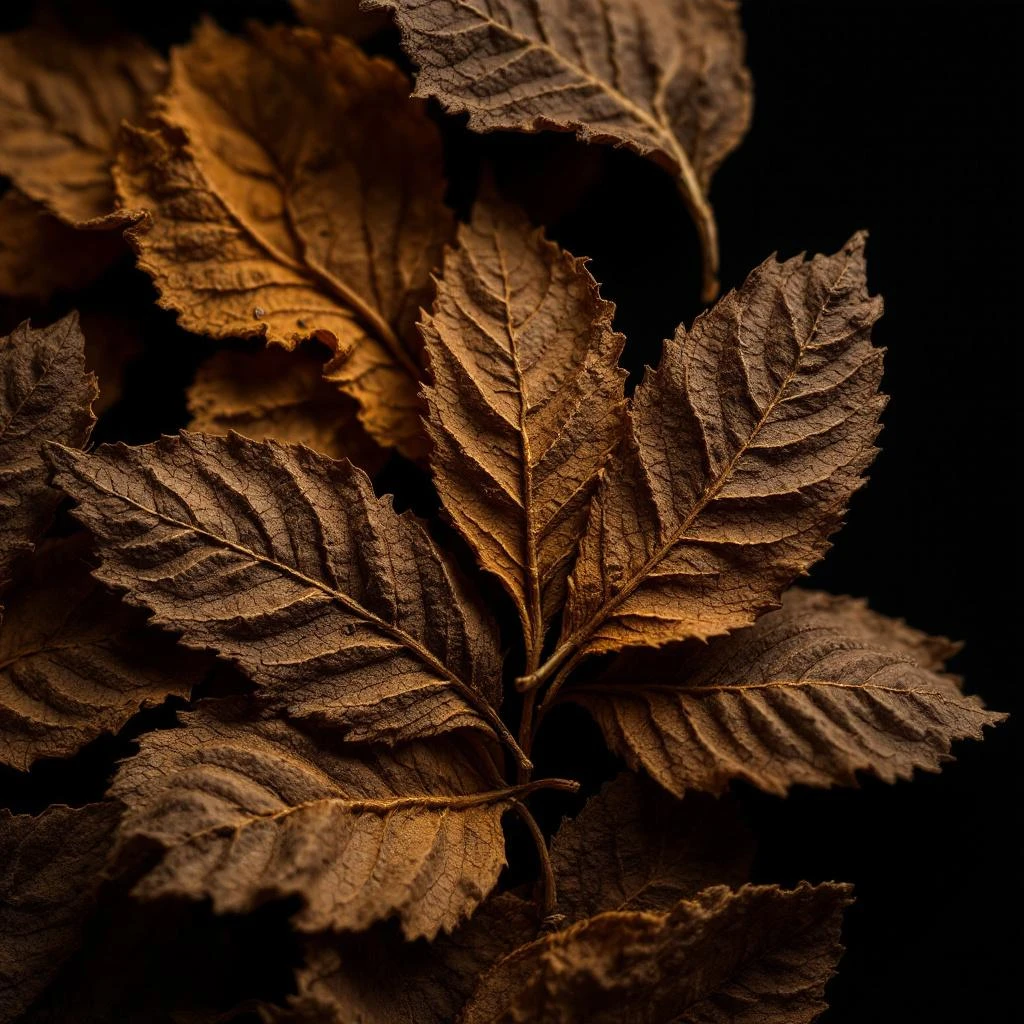
The genus name Rhus comes from the ancient Greek word for sumac, a plant once central to the leather tanning trade across the Mediterranean.





Origin
Iran
Rhus coriaria has grown across the Mediterranean for millennia, with documented use dating to ancient Greek and Roman civilizations. Greek physician Dioscorides described sumac in his pharmacological texts, noting its astringent properties.
In medieval times, sumacberries traveled along spice routes connecting the Eastern Mediterranean to Western Europe, where they were prized both as a culinary spice and a tanning agent for leather — the very origin of the English word 'sumac.' During this period, the plant held considerable economic importance across the Levant.
Despite its widespread historical use, sumac never achieved the prominence in Western perfumery that ingredients like rose or jasmine did. Its incorporation into modern fragrance remains relatively rare, mostly appearing in niche compositions that draw inspiration from Mediterranean botanical traditions.
Wears it best
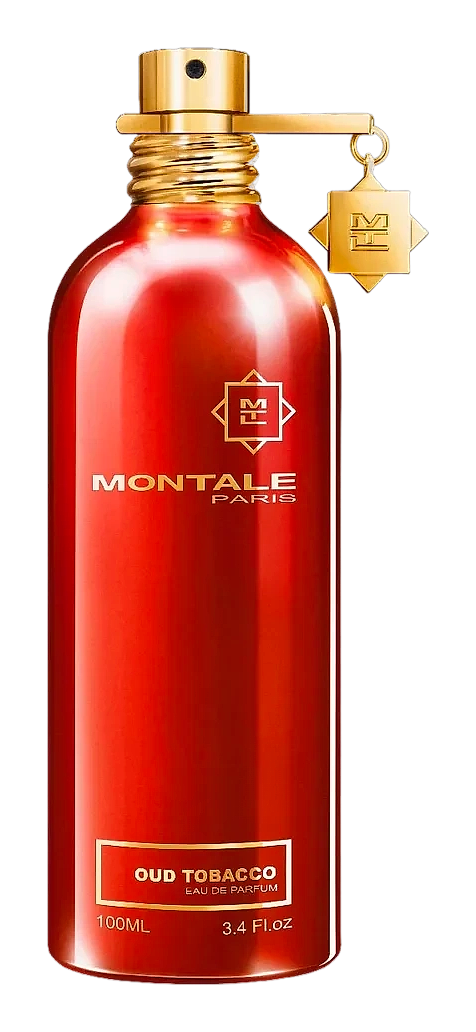
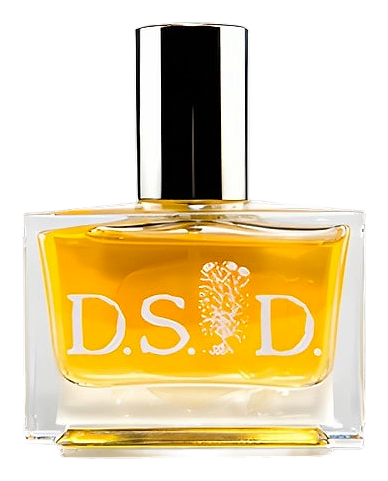
Fragrances featuring Sumac
Good to know
Questions, answered
The essentials on Sumac in perfumery: how it smells, where it comes from, and how it behaves on skin.
What does sumac smell like in perfumery?
Sumac delivers a tart, berry-like scent with green, almost lemony characteristics. It adds bright acidity and subtle balsamic depth, making it useful for introducing green complexity to fragrance compositions.
Is sumac a common fragrance ingredient?
Sumac appears infrequently in mainstream perfumery but sees more use in niche and artisan fragrances. Its distinctive character makes it valuable for perfumers seeking unconventional ingredients with Mediterranean heritage.
What plant part does perfumery use?
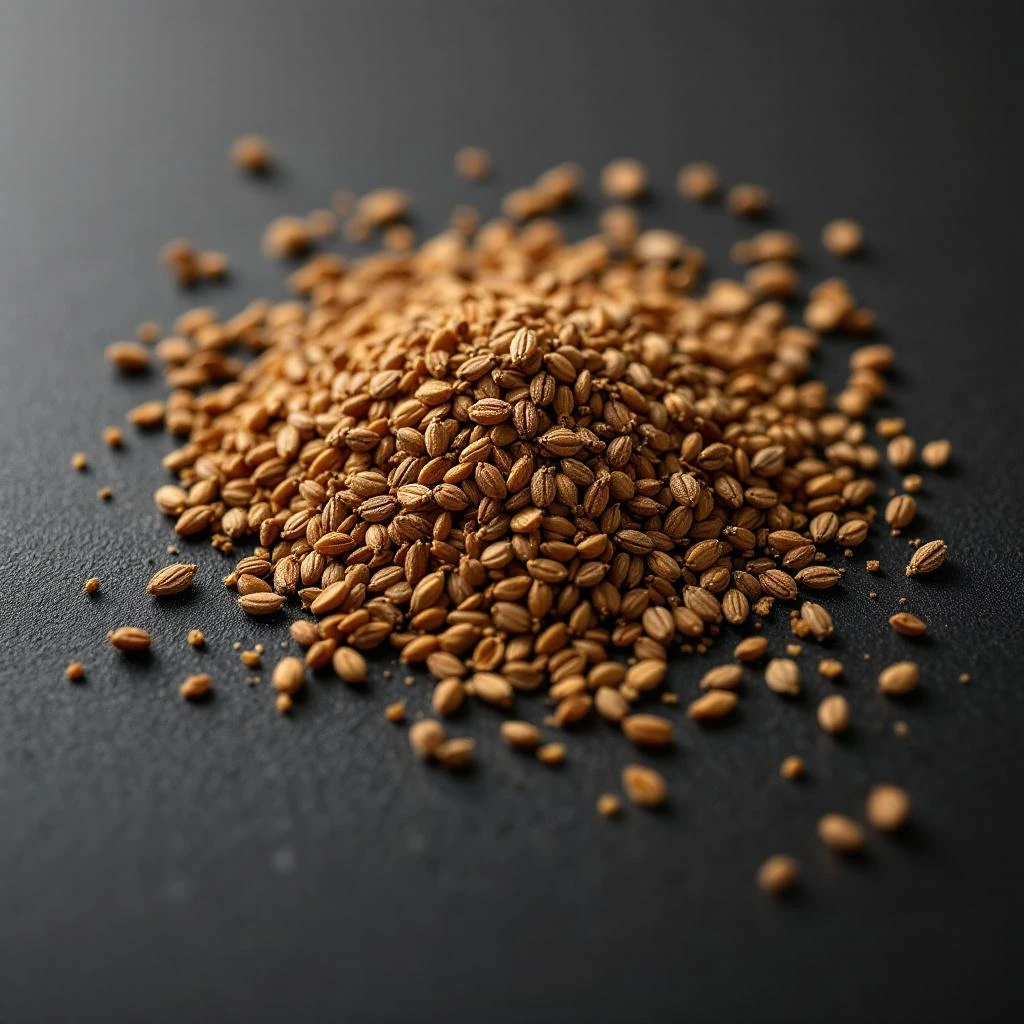
Fragrance extract comes from the dried drupes (berries) of Rhus coriaria. These small, reddish berries contain the aromatic compounds perfumers seek after the drying process concentrates their volatile constituents.
Where does sumac grow?
Rhus coriaria thrives in Mediterranean climates. Major cultivation areas include Iran, Turkey, Italy, and Syria. The shrub grows well in rocky, dry soil across elevations ranging from sea level to subalpine zones.
Is sumac natural or synthetic in fragrance?
Sumac used in perfumery is typically natural, extracted via steam distillation from dried berries. Synthetic reproductions exist but lack the complexity of natural extraction. Niche houses especially favor the natural material.
What fragrance families use sumac?
Sumac appears most often in oriental and chypre compositions where its tart, berry-like quality contrasts with warm resins and woods. It also suits green fragrances seeking added depth and Mediterranean character.
How long has sumac been used in fragrance?
Sumac has appeared in Mediterranean perfumery traditions for centuries, though it never achieved the prominence of other botanical ingredients. Its use intensified in the 20th century as perfumers explored regional botanical sources.
What notes pair well with sumac?
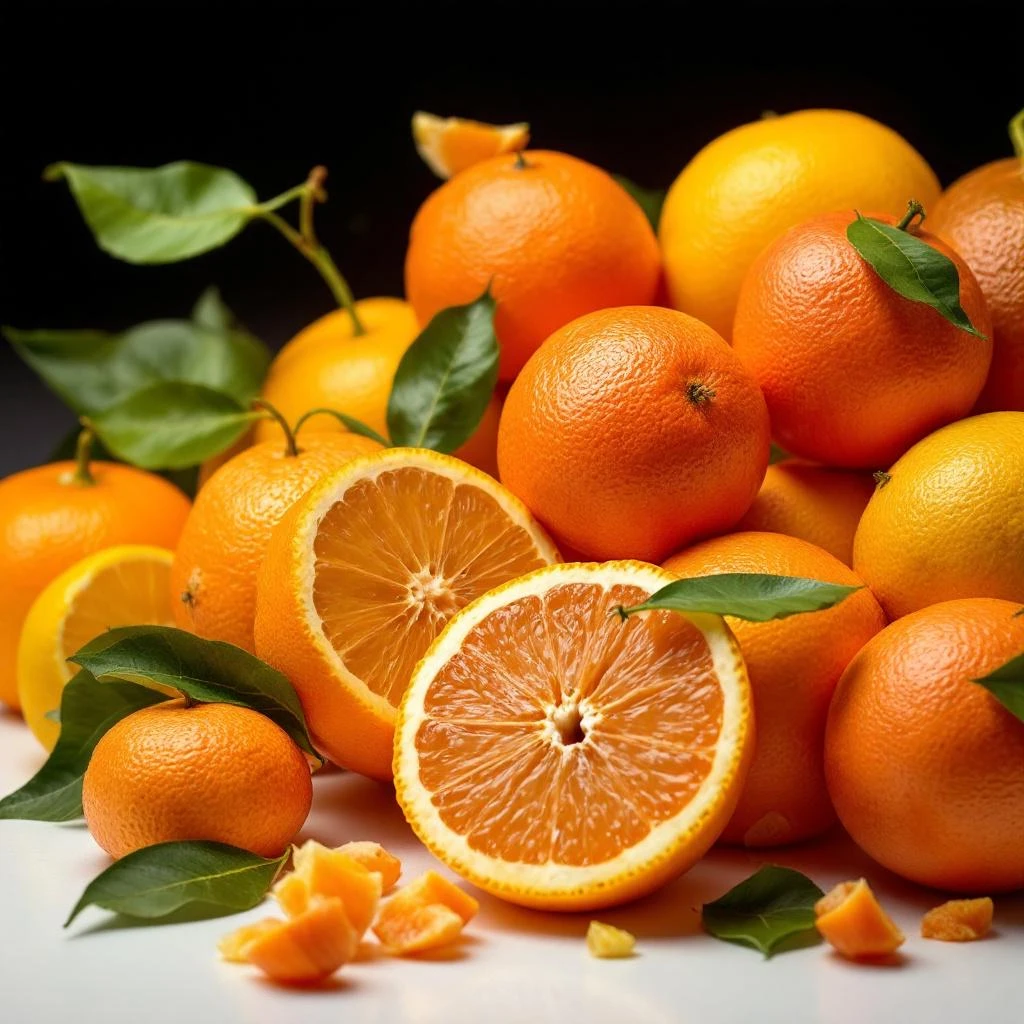
Sumac combines effectively with citrus, warm spices, labdanum, and woody accords. Its tartness provides contrast against sweeter bases while elevating green and aromatic top notes in the composition.