The Story
Why it exists.
The beginning
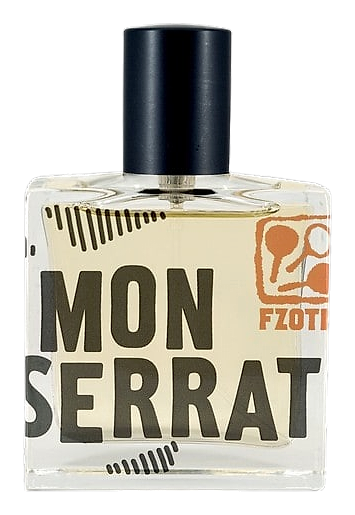
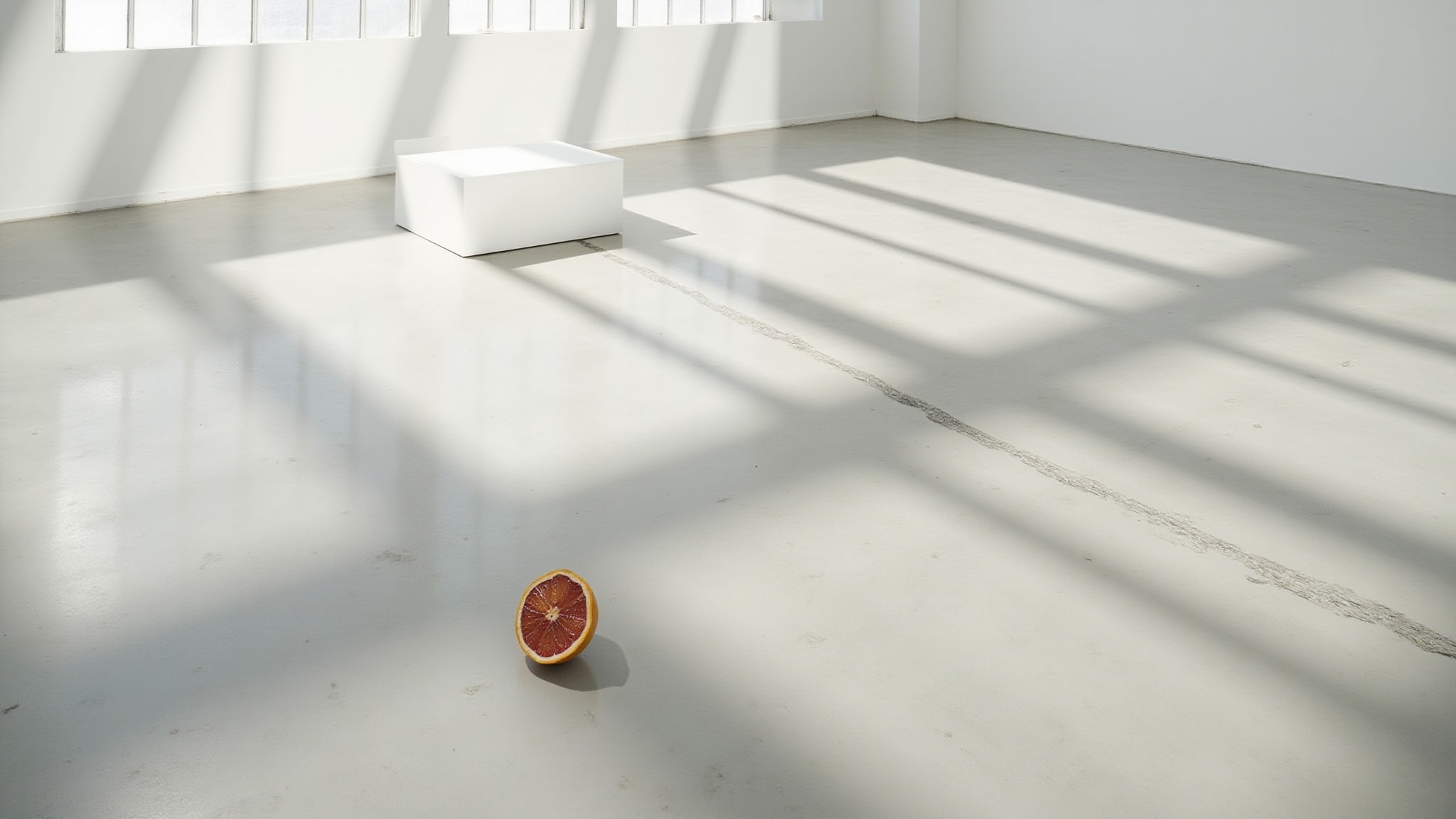
When Bruno Fazzolari created Monserrat, he wasn't thinking about the perfume market. He was thinking about paint. The fragrance emerged from a 2013 gallery exhibition at Jancar Jones Gallery in Los Angeles, distributed without a title, identified only by a daub of paint on the label. Fazzolari named it afterward, drawing from the oil color Montserrat Orange, which matched the dusky oranges and ochres in the paintings on display. The visual palette of that body of work, off-white and pale luminous green grounds, dusky oranges and ochres layered on top, became the brief for the scent itself. This is a fragrance that began as an olfactory translation of paintings, not a brief from a marketing team.
What makes Monserrat structurally unusual is the wet plaster note, a fantasy accord that has no direct olfactory equivalent in nature. Fazzolari developed it while thinking about fresco painting, where wet plaster is the medium that holds the pigment. It's a material reference, not a literal smell, and it gives the drydown a mineral quality you won't find in standard fruity-green compositions. That wet plaster note is where the fragrance earns its artistic credentials. It doesn't smell like actual plaster, it captures the idea of it, the freshness of material being worked, which is the same tension you see in the paintings that inspired it.
The evolution
The opening announces itself quickly: pink grapefruit, bright and tart, with carrot seed lending a mineral, almost vegetable undertone. This phase has an outdoorsy quality, crushed leaves, damp earth, the smell of something green being pulled from soil. It reads as gentlemanly without trying too hard, confident without being loud. The first 30 minutes are this. Then the apricot arrives. It doesn't storm in, it slides, softened by the green notes still present, and for the next couple of hours the fragrance becomes something warmer, fruit-forward, almost lactonic. The jasmine adds a quiet floral dimension, but it's never dominant. By hour three, the apricot has settled and the wet plaster emerges as the unexpected character. It's mineral, cool, and slightly damp, like the smell of a wall being painted. Ambergris and white musk support it, giving the drydown a marine-animalic warmth that keeps the whole thing from going flat. The drydown lasts. On most skin, this is a 6-8 hour fragrance.
Cultural impact
Monserrat emerged from the San Francisco alternative art scene in 2013 when Bruno Fazzolari began incorporating fragrance into his visual art exhibitions as a way to create immersive gallery experiences. The decision to name the scent after the oil color Montserrat Orange rather than a person or place reflects Fazzolari's conceptual approach, treating the fragrance as another medium in his broader artistic practice. This placement within the art world rather than the traditional fragrance industry shaped how the scent was received and discussed, drawing comparisons to works that exist between categories.