
Heritage
A house, in its own words
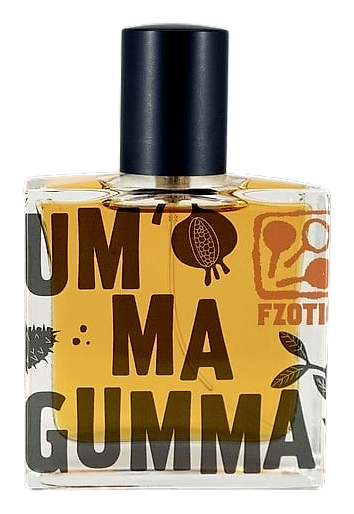
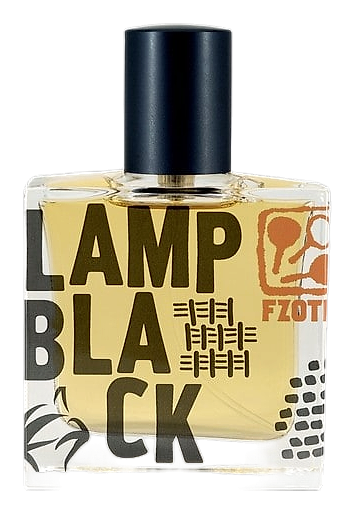
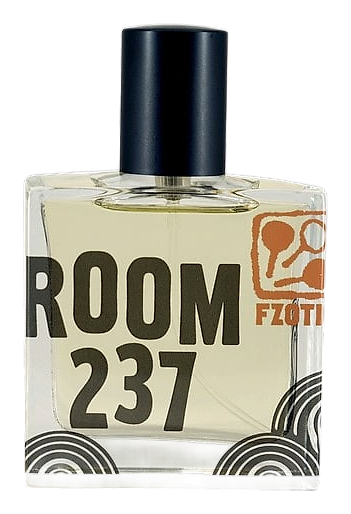
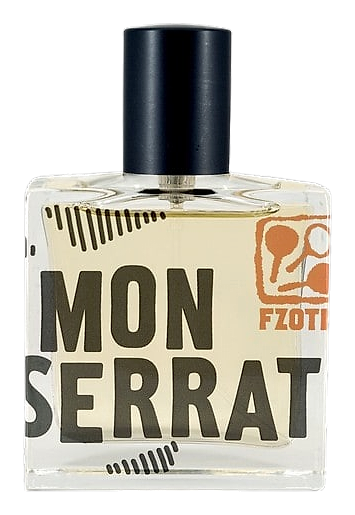
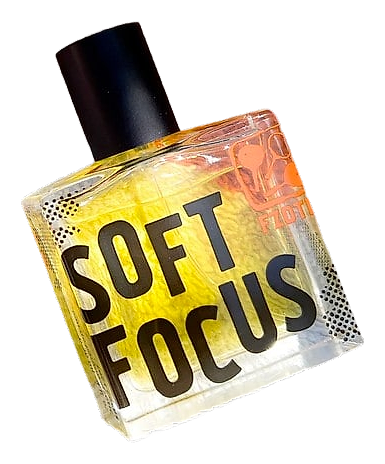
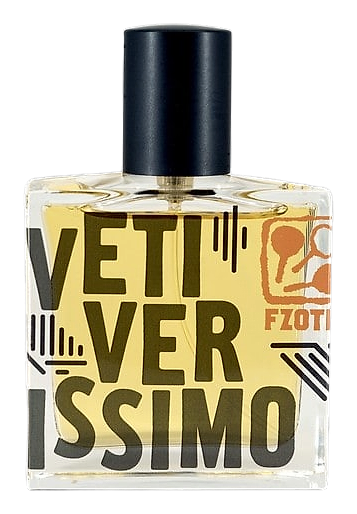
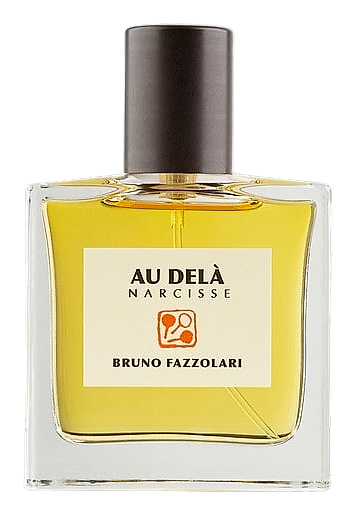
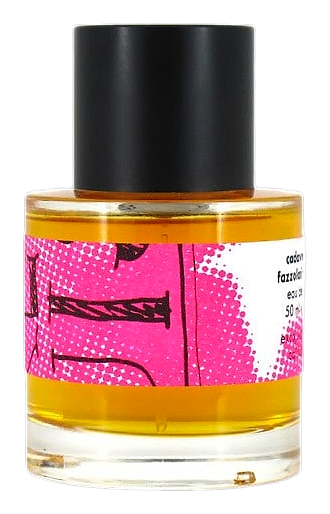
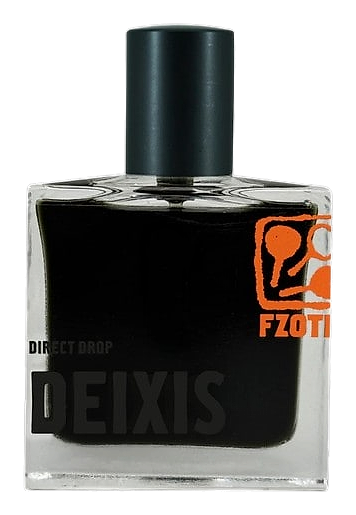
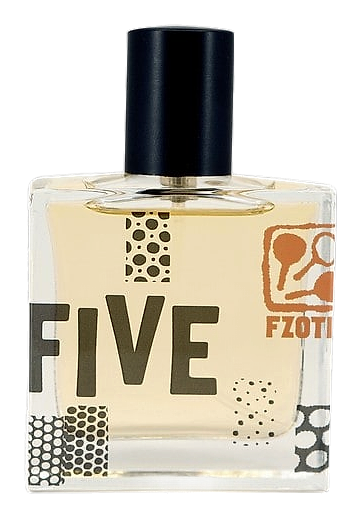
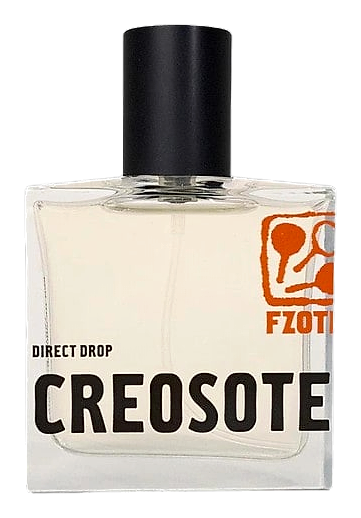
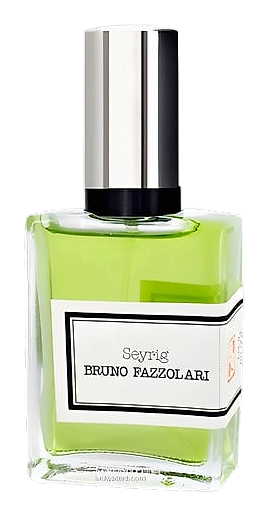
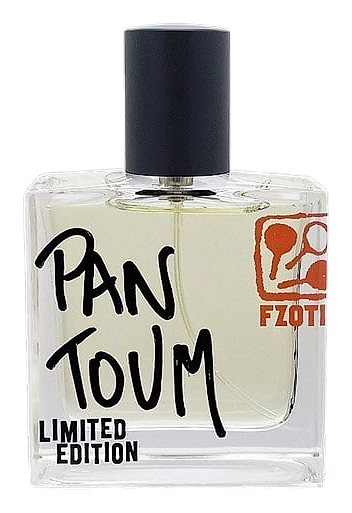
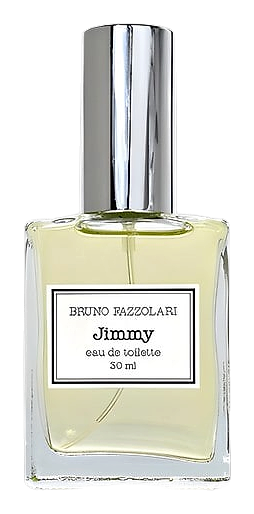
Bruno Fazzolari's path to perfumery began in the visual arts. A trained painter and sculptor based in San Francisco, he first incorporated fragrance into his work in 2010, creating scents to accompany installations of paintings at exhibitions. Each fragrance emerged from a specific body of work, serving as an olfactory extension of the visual art on display. He initially had no plans to bottle or sell these scents. The shift occurred in 2013, when Fazzolari began offering his fragrances in bottles through his artist website under the name Bruno Fazzolari. The early offerings included Au Dela, Monserrat, and Lampblack, all released that year. These fragrances began attracting attention within niche fragrance circles for their unconventional approach to composition and their clear artistic sensibility. The rebrand to FZOTIC happened in 2017, marking a deliberate transition that allowed the studio to operate with greater independence. Fazzolari left his gallery representation to focus fully on scent creation. The name FZOTIC itself functions as a kind of verbal artifact, similar to the unconventional fragrance names in the collection. This period also saw the release of Ummagumma, which has since become one of the house's most discussed fragrances, eventually leading to the 2025 reformulation and re-release as Ummagumma Extra. Cadavre Exquis arrived in 2016, joining a catalog that continued to expand through the late 2010s and into the 2020s. The house operates independently without external investment or partnership structures typical of larger fragrance houses. Fazzolari approaches fragrance as a visual artist approaches painting. His compositions reflect a sensibility shaped by years of working with form, color, texture, and conceptual installation art. Rather than following perfume industry conventions or targeting demographic profiles, he creates scents that translate specific artistic concepts or emotional states into liquid form. The studio's guiding principle is artistic exploration over commercial logic. Fazzolari has described creating fragrances for each of his art shows after 2010, with no initial intention to sell them. This origin story shapes how the brand approaches every subsequent release: each fragrance should function as a self-contained artistic statement with its own identity and internal logic. The house describes its fragrances as blending artistry and emotion, capturing different vibes ranging from light to warm to energized to mysterious. This language reflects Fazzolari's interest in how scent communicates mood and sensation beyond mere ingredient description. His background informs an approach where the final composition matters more than following traditional perfumery structures or expectations about what a particular fragrance type should smell like. The unconventional naming conventions across the catalog, featuring references like Cadavre Exquis (a nod to the French parlor game), Ummagumma (a Pink Floyd album), and Deixis (a linguistic term), suggest an artist comfortable referencing cultural artifacts and academic concepts within the context of accessible consumer products. This tension between intellectual reference and sensory experience defines much of the brand's positioning.