The Story
Why it exists.
The beginning
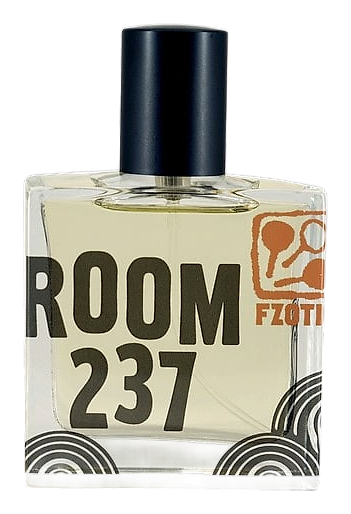
Room 237 takes its name from the most infamous room in Stanley Kubrick's The Shining, the place where something is wrong beneath the surface, where the apparent normalcy of a hotel suite hides something that shouldn't be there. The fragrance echoes that same uneasy atmosphere, where familiar scents twist into something unexpected, where the expected gives way to something lurking beneath.
The note structure leans into what FZOTIC calls a supernatural green-floral accord. There's a sense of entering a space that smells untouched, an initial impression of pristine cleanliness. Beneath that surface, other elements add unexpected warmth and depth, creating a tension between the apparent cleanliness and what lies underneath. The composition uses modern materials to create an effect that feels both polished and subtly subversive.
The evolution
The opening hits bright and green, creating a crisp cleanliness that feels immediate and sharp. It smells like fresh air in a sealed space, like something pristine waiting to be disrupted. Then the florals arrive, bringing a soft sweetness that tempers the initial edge. The musk starts to build, warm and intimate. As the fragrance settles, the initial sharpness softens, becoming less stark. By the drydown, the base notes have taken over, the warmth is unmistakable now, balsamic, slightly sweet, lingering close to the skin. This is where The Shining lives. Not the jump scare. The slow understanding that the room you entered isn't empty.
Cultural impact
Room 237 arrived as part of a wave of niche fragrances treating scent as conceptual art rather than commercial product. Its use of unconventional materials positioned it as a statement piece in discussions about what perfumery could be. The fragrance generated conversation among fragrance writers and collectors about material interpretation, the boundaries between natural and synthetic, and whether challenging compositions deserved a place alongside accessible favorites. Its influence on the brand's trajectory cemented the brand's identity as an artist-driven studio rather than a traditional fragrance house.