The Story
Why it exists.
The beginning
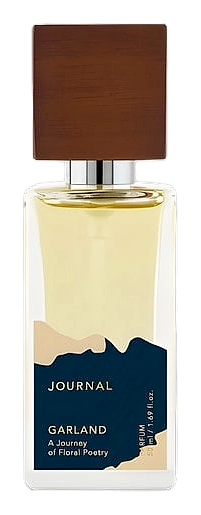
Garland joined the Journal catalogue in 2020, a year that gave the line some of its most recognizable titles. Each release carries a tangible sense of place, and this one moves through flowers with cultural resonance across the region. Champaca sits at the center, a bloom that carries weight in Thai tradition. Orange blossom runs alongside it, bright and narcotic. The fragrance borrows the visual vocabulary of ceremonial garlands without quoting them literally, setting petals and leaves into a loose arrangement rather than a faithful copy. The name suggests adornment, arrival, something strung together with intention. There's an openness to the composition, a willingness to let tropical ingredients speak in their own register rather than smoothing them into a European floral template.
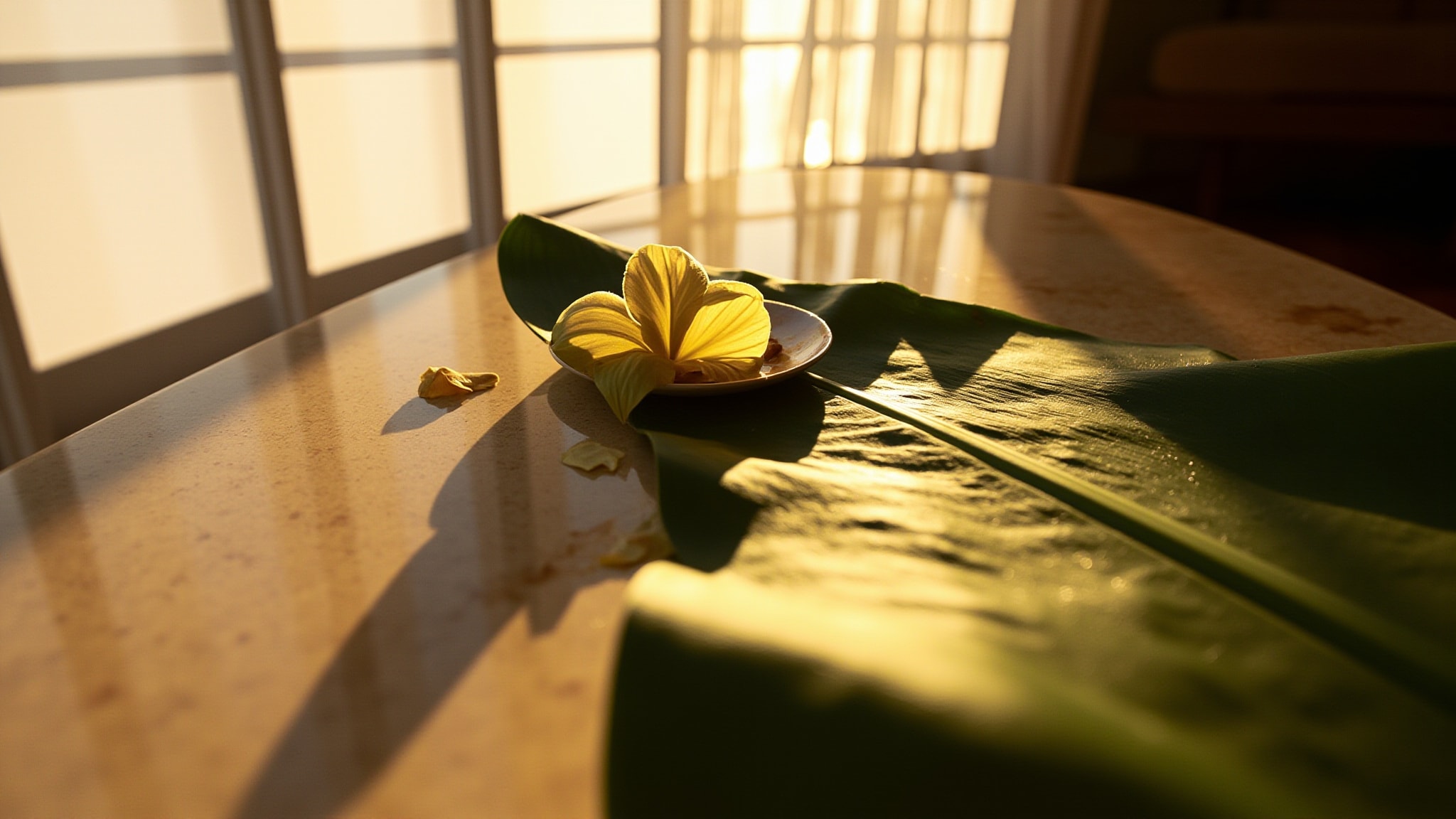
The unusual note here is banana leaf, which shifts the entire temperature of the composition. Treated as a green, cooling accord, it pulls the florals away from any sweetness and toward something humid and alive. Pairing that green stem against champaca's almost-fruit edge keeps the floral heart from feeling generic. Then the base introduces an unexpected tension: agarwood and frankincense underneath saffron and benzoin. The resins meeting a tropical bloom creates friction, two worlds held in the same glass.
The evolution
The opening reads bright and aqueous, green notes and sweet orange lifting the florals into something almost fizzy. Champaca arrives quickly, dense and ripe, with orange blossom adding a sharp green undertone that keeps the sweetness from cloying. Jasmine stays present but plays support. The heart settles gradually as the banana leaf arrives wet and vegetal, rose lending its particular velvety texture to the champaca's fruit. This is the most photoreal phase, the closest the composition comes to describing actual petals and stems. The base then starts to surface. Frankincense and agarwood creep in underneath the florals, the saffron contributing a dry, leathery warmth that slowly replaces the green brightness. Benzoin rounds the edges with its balsamic sweetness.
Cultural impact
It sits closer to the skin than its incense base might suggest, the oud kept low and the saffron used as a dry accent rather than a lead. The juice wears with a softness that rewards attention rather than demanding it from across the room. The saffron and benzoin give the base a resinous warmth without tipping into the heavy territory most agarwood compositions occupy. That restraint lets the tropical florals remain the primary read throughout much of the wear. The oud registers as clean and metallic rather than animalic or barnyard, a choice that opens the composition to wearers who might otherwise avoid the note.