The Story
Why it exists.
The beginning
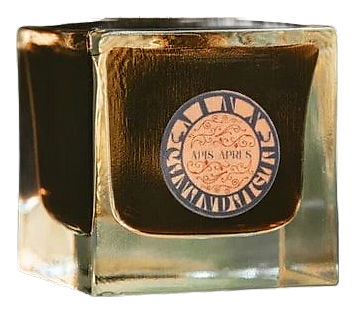
Apis Après arrived in 2024 from the workshop of Arthur Clayton Emrick, the perfumer behind Jinx Smells, a small house built around oud-centric, highly animalic compositions. The name points straight at the bee. Apis, the genus, and Après, the what-comes-after. It's a fragrance about hive aftermath: the warmth left behind, the resin, the slow burn of something productive turned intimate. Emrick's releases tend to center specific raw materials with unusual intensity. This one pivots on propolis, honey, rose, and oud, with civet threaded underneath to keep everything from drifting into softness. The honey here doesn't read as confection. It reads as comb warmth, the dark sweetness of bee resin and pollen, a sweetness that smells earned rather than added.
What makes Apis Après structurally interesting is the way it treats sweet materials as structural, not decorative. Honey and propolis carry the composition with the same weight oud usually does in a composition loaded with resinous notes, while Bulgarian rose and ylang-ylang work as seasoning rather than centerpiece, adding lift and density where they're needed without ever pulling focus. The spice stack matters too. Pimento and pepper open sharp, but saffron in the heart and a cedar-oud-amber base keep the drydown grounded.
The evolution
The first twenty minutes feel almost citrus-spicy. Bitter orange lifts up against a wall of pepper, pimento, and ginger, while palisander rosewood adds a dry warmth underneath. Then the honey starts. Not sugary sweet. More like warm wax, propolis, the smell of a hive in late summer. Apricot arrives at the edges, soft and slightly jammy, giving the composition a fruitier contour. Bulgarian rose shows up smoky and dense rather than jammy, its usual sweetness pushed down by the resinous warmth of the oud it shares space with. As the composition moves through its middle phase, the spice fades and you're left in a thick heart of honey-rose-ylang, with saffron giving the whole thing a faintly leathery underside. The base doesn't announce itself. It just takes over.
Cultural impact
Apis Après is a niche, oud-forward release, and it doesn't try to soften its animalic materials for a wider audience. For wearers who already gravitate toward resinous, animalic compositions, the fragrance reads as something to live in rather than something to perform. It asks for close attention and rewards it with depth, moving through its phases in a way that feels considered rather than engineered for a single impression. The fragrance stays itself across days and wears, and that's part of the appeal. It commits to its material choices and doesn't hedge.