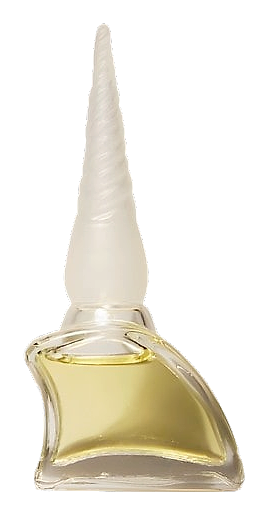

The Story
Why it exists.
The beginning
Jin Abe was a fashion designer before he was a perfumer. Born in Gunma Prefecture in 1945, he built his ready-to-wear house during Japan's economic expansion in the 1980s and 1990s, earning recognition within one of the world's most competitive fashion markets. The move into fragrance in 1998 marked a natural extension of his design practice, translating the principles of silhouette and balance into a medium that lived on skin rather than on a hanger. Where clothing moves with the body, scent moves with the person. Abe understood this. His eponymous fragrance arrived as an intimate proposition: fabric translated into vapor, restraint into warmth.
The note structure of Jin Abe is built on an unusual tension: tropical fruit sweetness meets anise in the heart. That's an unusual combination, the bright, juicy, almost synthetic luminosity of mango and watermelon sitting alongside star anise, a spice more commonly found in baked goods and savory cooking. On paper, it shouldn't work. In application, the anise threads through the florals like a quiet argument, it keeps the sweetness honest, stops it from becoming decorative. The vanilla-praline-mus k base then does the heavy lifting: warm, sweet, powdery in the best sense, lasting hours after the fruit has retreated. This is a fragrance that earns its drydown.
The evolution
It opens bright. Watermelon, mango, pineapple, that immediate burst of fruit-market sweetness that reads almost wet, like something just sliced. Green apple adds a tartness that keeps it from going flat. The sweetness is immediate and unapologetic. Within twenty minutes, the florals arrive: jasmine first, then rose lifting through it, but the star anise is the quiet player here. That licorice warmth threads through the petals like a seam running through silk, unexpected, distinctive, the kind of detail that makes you stop and reconsider what you're smelling. It keeps the sweetness honest. The drydown is where it lives. Vanilla, praline, and tonka bean build slowly as the fruit fades, wrapping the florals in something warm and edible. Musk and patchouli ground it, adding depth that stops it from being purely sweet. On fabric, it lasts for hours, a warm, intimate trail that stays close rather than filling the room. The sweetness lingers quietly, a signature rather than a statement.
Cultural impact
Jin Abe occupies a particular corner of fragrance culture: the discontinued 1990s Japanese fashion fragrance. Unlike the heritage European houses that dominate mainstream fragrance history, houses like Jin Abe operated with limited distribution and a devoted following that found them through word of mouth. The 1998 debut gained a reputation for its bold tropical sweetness and vanilla-forward drydown, the kind of composition that feels unapologetic by current standards. Among collectors, late 90s Japanese fragrances like this one represent a moment when fashion houses approached scent with a different set of references than their European counterparts: warmer, sweeter, less interested in restraint.