The Story
Why it exists.
The beginning
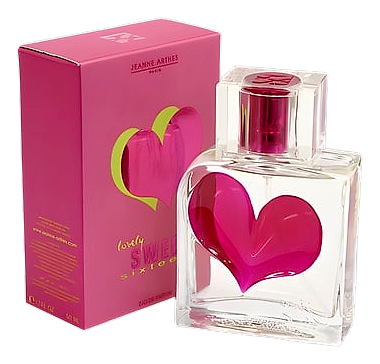
Sweet Sixteen arrived in 2004 with a name that does the work of a thousand words. The phrase itself carries memory, the year you stopped asking permission, started choosing your own exits. Jeanne Arthes built this fragrance around that specific kind of anticipation. Not the first kiss, not the first heartbreak. The afternoon before either one. The launch year places it squarely in an era when mass-market French houses were learning to speak directly to younger wearers without losing the structural discipline of Grasse perfumery. This is where those two things met: accessible and intentional, sweet without apology.
What makes the pyramid hold together is the way the top and base conspire without ever letting the heart take over entirely. Blackcurrant's tartness keeps the peach honest, stops it from sliding into something syrupy or juvenile. Freesia does quiet work in the middle: it bridges the gap between fruit and florals without announcing itself. You feel it more than you name it. The white musk in the base is the real tell. It's not animalic, not bold. It's the residue on skin after a long day, intimate, warm, present. That's what keeps this from being a pure novelty scent. It's fruity-floral with a memory attached to the drydown.
The evolution
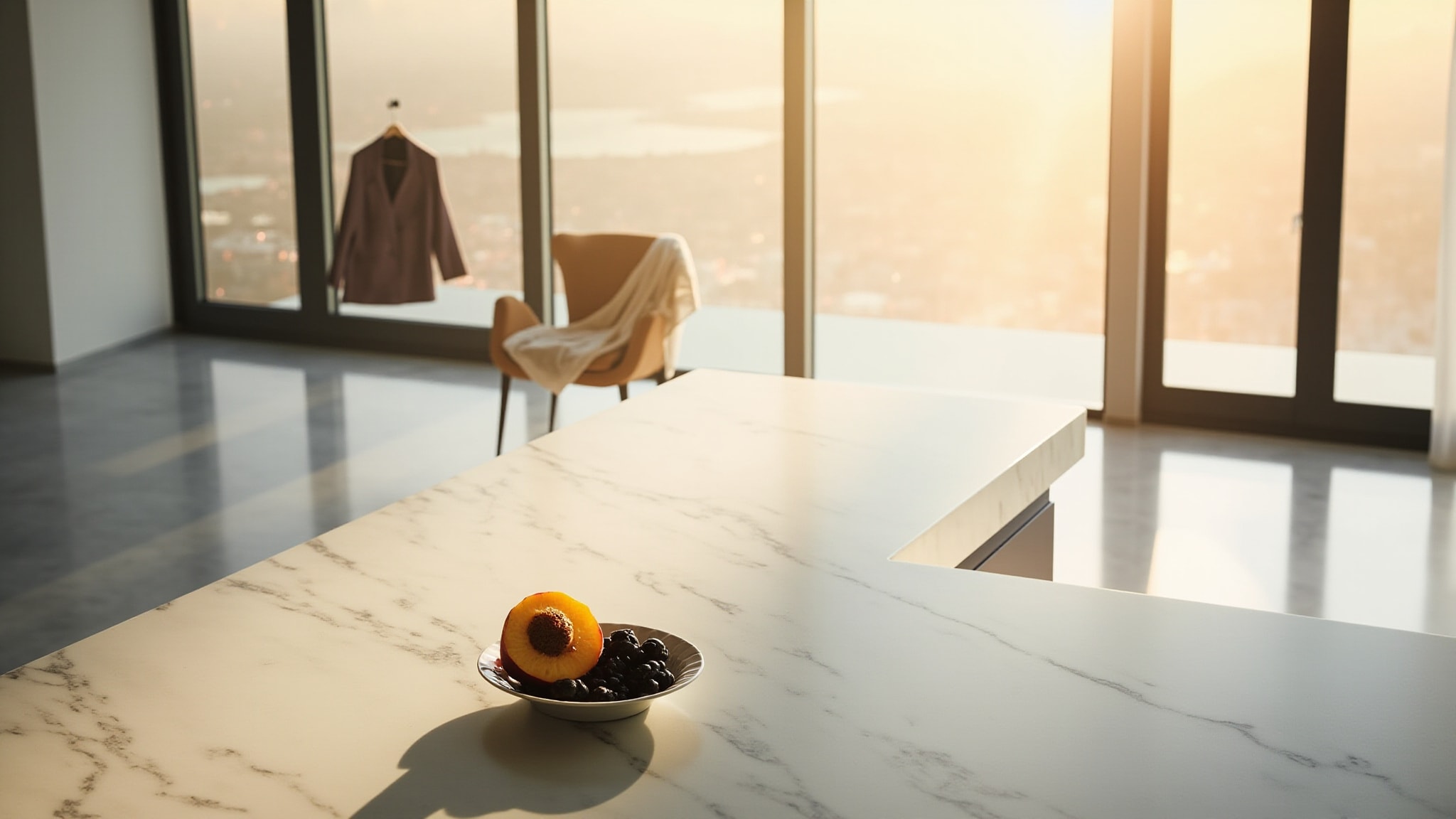
The opening hits immediately, blackcurrant and mandarin arrive together, a one-two punch of tart brightness that reads almost effervescent. Green notes hover at the edges, keeping things grounded in something natural rather than synthetic. Within fifteen minutes, the citrus retreats and the heart takes over: peach and apple, soft and round, with the freesia threading through to keep the florals from getting heavy. This is the fragrance's most honest phase, uncomplicated, present, bright. The base arrives quietly, around the forty-minute mark. Sandalwood and white musk settle into skin like a second skin, turning the sweetness into something that breathes. By the second hour, you're reaching for your wrist to check if it's still there. It is. The cedar and amber linger another two to four hours after that, a low warm hum rather than a shout. What stays longest is the peach and white musk combination, close, intimate, talc-adjacent. Not a fragrance that fills the room. A fragrance that stays close and doesn't let go.
Cultural impact
Sweet Sixteen landed in a 2004 market saturated with fruity-florals, yet it carved a specific niche by being honest about what it was. No promises of complexity, no claims of edge. Just fruit, florals, and a name that tells you exactly who it's for. That directness earned it a lasting place in the catalogues of people who remember what it felt like to be sixteen and wanted a fragrance that remembered it too. Community ratings place it squarely in pleasant territory, not a cult favorite, not a flash in the pan, but a reliable scent that people return to when they want something uncomplicated and true.