The Story
Why it exists.
The beginning
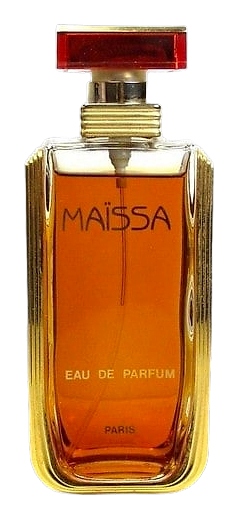
Maïssa arrived in 1987 as a Jean Louis Vermeil fragrance for women. Its declared floral character establishes a clean, composed impression, while reports from wearers describe a clean, earthy patchouli note beneath the flowers. That combination gives the composition its distinctive balance: floral at first, but grounded by an earthy undertone rather than remaining purely decorative. Maïssa presents itself with restraint, introducing its floral accord clearly before allowing the patchouli character to become more apparent. The result is a fragrance that feels neat and controlled on one hand, yet more subtly complex on the other. It invites attention through the relationship between flowers and patchouli rather than through an overtly loud presentation.
The interesting part is the balance between the declared floral accord and the clean, earthy patchouli impression reported by wearers. Floral notes can feel airy, delicate, or highly decorative, while patchouli often brings a more grounded character. In Maïssa, the two elements appear together without either completely replacing the other. The flowers maintain the composition's floral identity, while patchouli adds depth and a clear earthy impression underneath.
The evolution
On skin, Maïssa begins as a composed floral impression, neat and lightly brushed rather than loudly sweet. As it settles, the clean patchouli character becomes easier to find beneath the petals, pulling the composition toward earth and fabric while adding a more mysterious dimension. That shift is the surprise: the scent can seem immaculate at first, then gain a grounded intimacy. It doesn't appear to build toward a heavy finish so much as reveal a second personality beneath the floral surface. The opening establishes the declared floral accord clearly, while the later development gives increasing presence to the clean, earthy patchouli impression. This gradual change makes the fragrance feel layered even as it remains composed.
Cultural impact
Maïssa can be appreciated for its understated floral character and the way clean, earthy patchouli gives the composition additional depth. Its appeal lies in the relationship between these qualities: a floral accord that remains recognizable while the patchouli note becomes more apparent as the scent settles. The name also places it among familiar 1980s floral references, while its declared combination of flowers and patchouli gives it a distinct point of view within that context. Wearing it becomes an exercise in noticing gradual changes, from a neat opening to a more grounded impression underneath.