
The Story
Why it exists.
The beginning
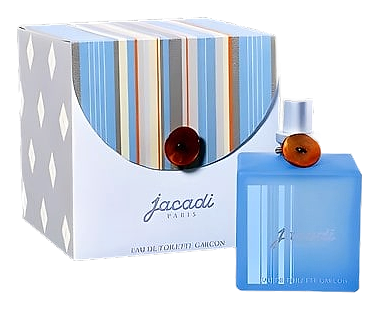
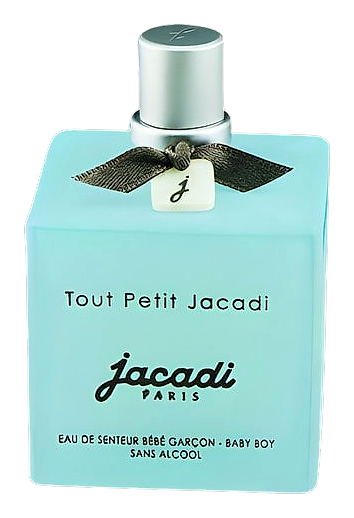
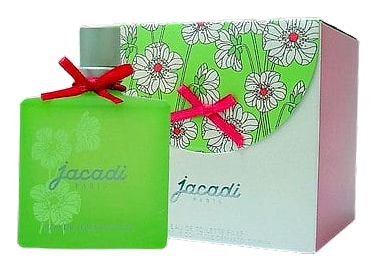
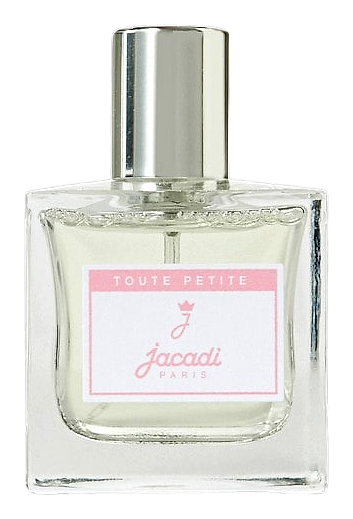
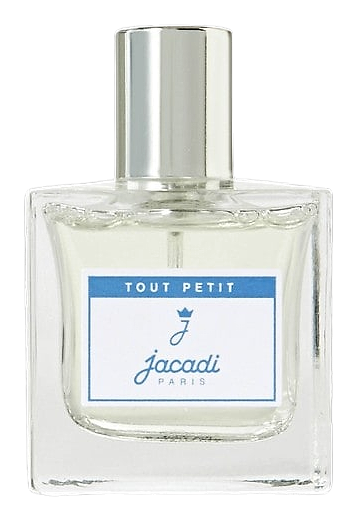
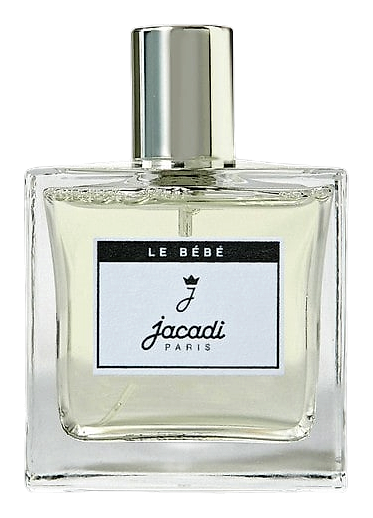
Bébé Eau de Soin arrived in 2015 from Jacadi, a Parisian house that has been dressing children since 1976. The name itself is a clue: 'eau de soin' means 'care water,' not perfume in the usual sense. It's designed for sensitive young skin, a scented water meant to comfort rather than impress. Jacadi built its fragrance line around a simple belief that children deserve compositions created for them, not adult formulas softened with marketing.
What's quietly clever here is the sesame. Most children's fragrances reach for vanilla, powder, or fruit, the obvious warm-and-safe notes. Sesame instead gives a dry, nutty undertone that feels grounded, like skin warmed by sunlight rather than sweetness. Pair that with orange blossom and jasmine in the heart, and you get something floral but not precious. The white floral dominance reads clean, while the sesame keeps it from drifting into baby-powder territory.
The evolution
The first five minutes are the brightest moment. Bergamot lifts the bergamot-freesia top into something almost sparkling, the way morning light hits a just-washed cotton sheet. Then jasmine and orange blossom take over around the 10-minute mark, and the scent softens into a warm white-floral wash, the kind that clings to a sweater collar. By the two-hour mark, the florals have stepped back, and the sesame arrives properly, nutty and warm, blending with a clean musk that doesn't announce itself. It stays close to skin through the afternoon, about 4-6 hours before it becomes more memory than presence. On fabric, especially a soft cotton shirt, it lingers into the next morning as a faint, comforting trace.
Cultural impact
Bébé Eau de Soin arrived in 2015 as part of Jacadi's expansion into sensory care products for children, a category the Paris-based children's fashion house had been quietly building since 1987. By placing a finely tuned eau de soin alongside its layette and clothing lines, Jacadi reinforced a long-standing brand philosophy: treating the nursery as a complete sensory environment rather than a wardrobe alone. The launch coincided with a broader European shift toward gentle, dermatologically minded formulations for infants and toddlers, a market segment that expanded steadily through the mid-2010s.