The Story
Why it exists.
The beginning
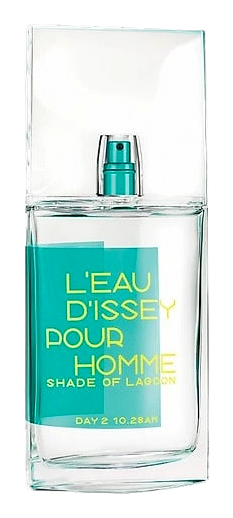
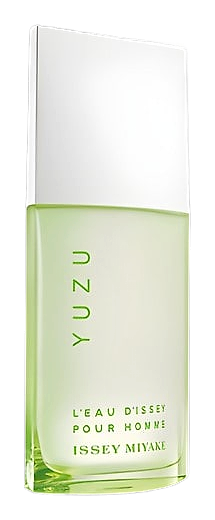
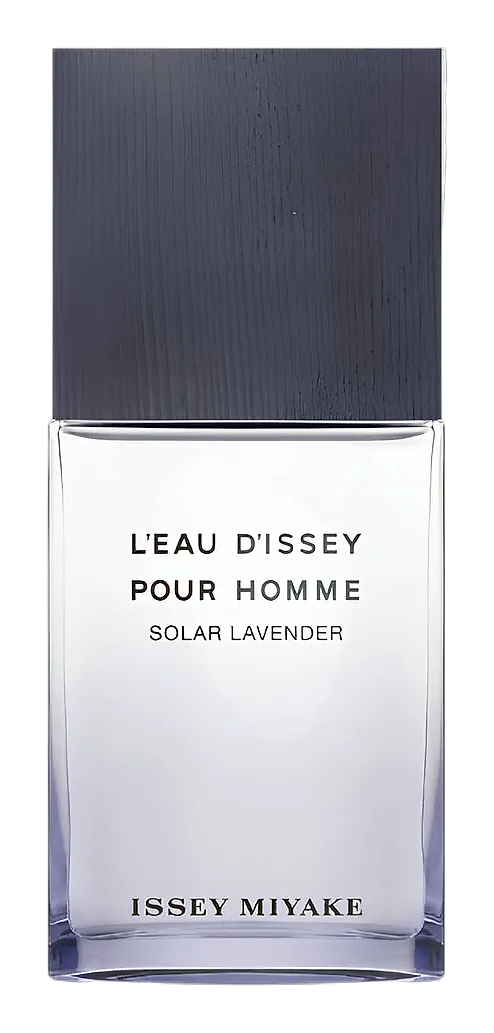
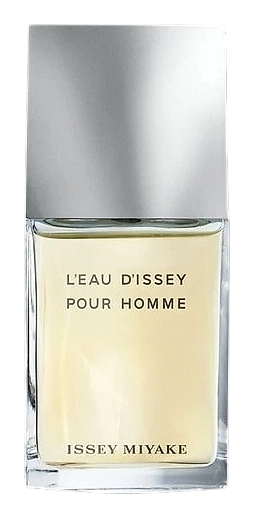
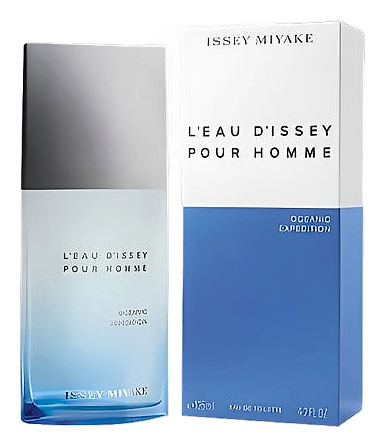
In 2015, Issey Miyake tasked Alberto Morillas with expanding the L'Eau d'Issey pour Homme universe. The brief was rooted in the house's defining obsession: water as material, water as metaphor. But rather than simply revisiting the original formula, Morillas pushed outward, into maritime territory. Oceanic Expedition took the aquatic framework Miyake had built and added dimension. The yuzu note anchors the composition to Japanese aromatic tradition, while the expedition naming signals movement, exploration, a fragrance that goes somewhere rather than staying still on a shelf.
What makes this variation work is the bridge between its cool opening and warm finish. Cascalone, the synthetic marine molecule doing the heavy lifting in the heart, creates an oceanic impression that feels mineral rather than synthetic, less shower gel, more tide pool. The ginger doesn't fight the water note. It runs parallel to it, creating a split personality: cold and clean at the top, warm and grounded at the base. For a limited edition, it achieved something the core line hadn't: genuine complexity within a minimalist structure.
The evolution
The first 20 minutes belong to yuzu and bergamot, sharp, bright, unmistakably citrus. Petitgrain adds a slightly bitter undertone that keeps the opening from becoming sweet. Around the 30-minute mark, the ginger begins to emerge, and the Cascalone marine note starts asserting itself, shifting the fragrance from pure citrus toward something more atmospheric. The heart holds for roughly two hours before ambroxan takes over, bringing a clean, mineral clarity that smooths everything into a quiet drydown. By hour four, you're left with white musk and sandalwood, skin-close, intimate, the kind of presence that requires someone standing beside you to notice.
Cultural impact
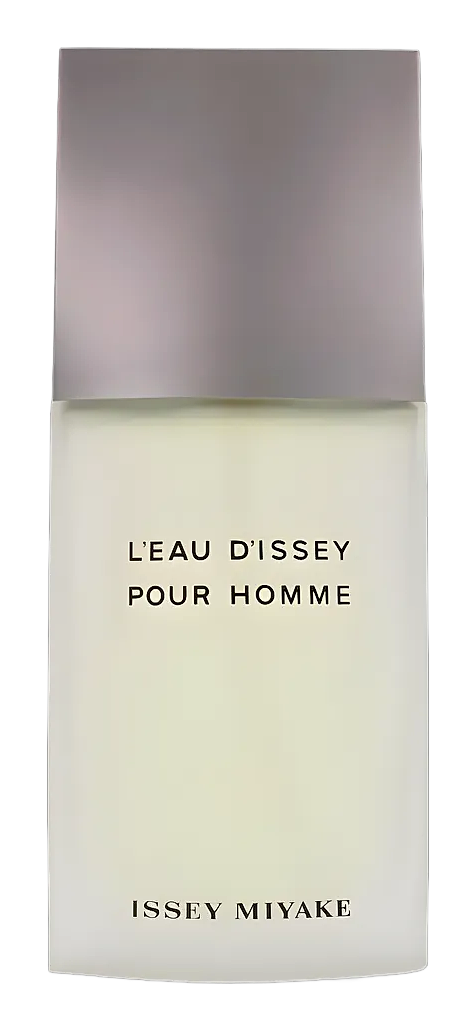
L'Eau d'Issey pour Homme Oceanic Expedition arrived during a saturated period for aquatic fragrances in the mid-2010s, when mass-market aquatic scents had become so ubiquitous they risked losing distinction. Rather than chasing trend-driven compositions, Issey Miyake used this limited edition to revisit the core principles of the original 1994 masculine launch: simplicity, natural materials, and the intersection of Japanese and Western sensibilities. The inclusion of yuzu, a Japanese citrus rarely prioritized by Western brands, signaled a return to the fragrance's cultural roots rather than commercial extrapolation. While limited editions often serve primarily as marketing exercises, the Oceanic Expedition carved a specific niche: the intersection of authenticity and aquatic character. Its continued community discussion despite the 2015 launch date suggests the scent fulfilled a need for masculine freshness that didn't rely on the synthetic aquatic tropes dominating its era. The collaboration with Alberto Morillas also reinforced the house's commitment to named perfumers over anonymous trend-chasing, a stance that positioned the fragrance as a considered artistic statement rather than a seasonal product release.