The Story
Why it exists.
The beginning
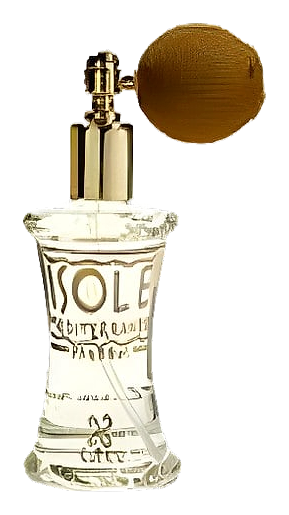
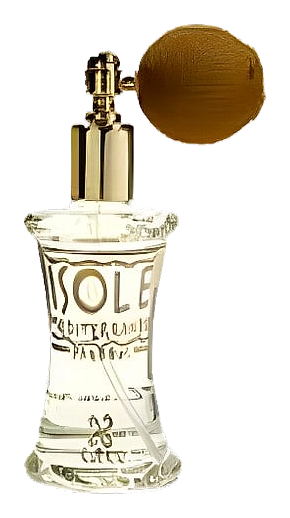
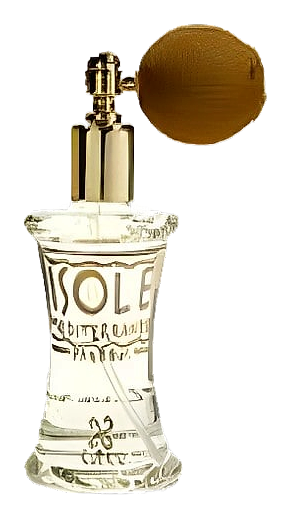
Aria means air in Italian. For Maurizio Cerizza, it was the third movement in a 2005 collection that mapped the Mediterranean in four elements, earth, sky, water, and now this: the atmosphere between them. Not the dramatic Mediterranean of tourist posters, but the actual one, the one you breathe in the hour before sunset when the heat finally relents. Cerizza built Aria around that specific quality of Mediterranean air, not a concept of it, but the thing itself, the moment when the island exhales.
The structure follows that breath: a top that opens like a gasp of citrus and ripe fruit, then softens into white florals that carry the middle the way a breeze carries scent across water. The base anchors everything in cedar and sandalwood, warm woods that keep the air from disappearing entirely. It's a composition that understands Mediterranean air isn't empty space. It's full of things: salt, fruit, warmth, and the particular softness that comes after a long day in the sun.
The evolution
Blackcurrant and tangerine hit bright, almost tart, with peach threading sweetness underneath, like biting into a ripe peach at a market stall, juice running down your wrist. Then the citrus fades. Tangerine pulls back first, then the blackcurrant settles into something softer, less acidic. Musk holds everything together, soft and slightly powdery, and this is where Aria lives for the next few hours: quiet, comfortable, worn-in.
Cultural impact
Aria emerged during the mid-2000s, a period when Mediterranean-inspired luxury goods were experiencing significant commercial growth across European markets. The Isole Mediterranee collection represented a deliberate attempt to bottle the aspirational lifestyle associated with coastal Italian and Greek living. Fragrance houses during this era often used geographical and cultural associations as primary marketing hooks, with Aria fitting squarely into that trend. The four-fragrance collection naming scheme earth, sky, air, and sea reflected a broader wellness movement that connected consumers with elemental concepts. Aria translated the romanticized notion of Mediterranean life into scent, targeting consumers who associated Italian coastal culture with sophistication and leisure. The 2005 release came during a decade when fruity-floral compositions dominated mass-market perfumery, though Aria distinguished itself with its quieter drydown and intimate character.
The House
Isole MediterraneeIsole Mediterranee is a fragrance label built around a concise Mediterranean namesake collection. Its known lineup consists of Terra, Cielo, Aria, and Mare, all recorded as 2005 releases. The names turn to elemental and atmospheric ideas associated with the Mediterranean world: earth, sky, air, and sea. Maurizio Cerizza is credited as the perfumer behind these four fragrances. The available record does not establish where the house was founded, who created the brand, or whether Terra, Cielo, Aria, and Mare formed a complete permanent collection. It is best understood as a focused group of scents with clear Italian character rather than a house with a long, publicly documented lineage.
The Creator
Maurizio CerizzaCerizza's work reflects the discipline of the Roure method he absorbed early in his career. He favors working with natural materials, drawing on his family's deep expertise in extraction and distillation to inform every creation.