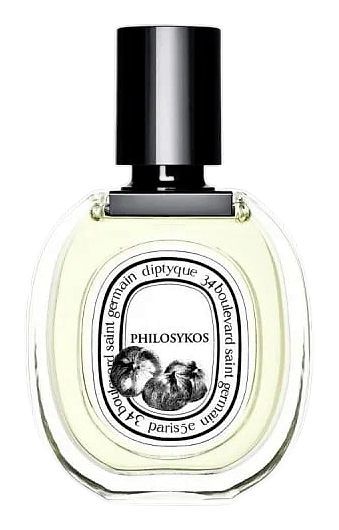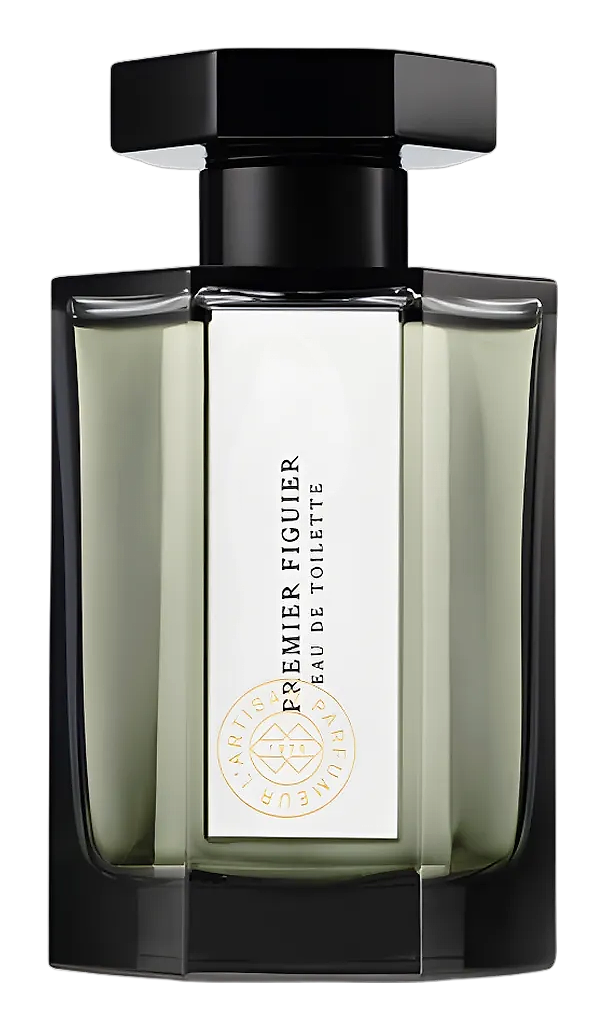
The Story
Why it exists.
The beginning
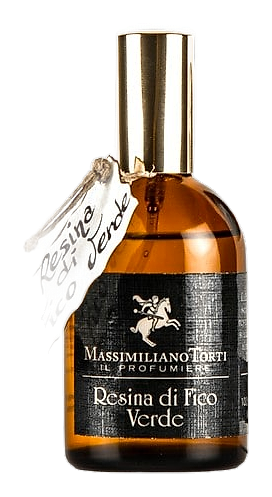
Resina Di Fico Verde arrived in 2003 from Il Profumiere, composed by Massimiliano Torti. The name translates simply: resin of the green fig. That's the whole ambition. Not a gourmand fig, not a candied fig, but the raw material the tree produces before it fruits. The white sap, the bark, the leaf. Torti built the composition around the plant's architecture rather than its flavor, which is a less common choice in a category obsessed with ripe fruit. The brief, as far as the notes reveal it, was botanical portraiture. Fig milk and fig resin open the composition, and you can feel how fresh the materials were meant to read, cool and slightly vegetal with a faint lactic edge. Ivy and an ozonic lift suggest the air under a canopy, something humid and shaded where leaves filter the light.
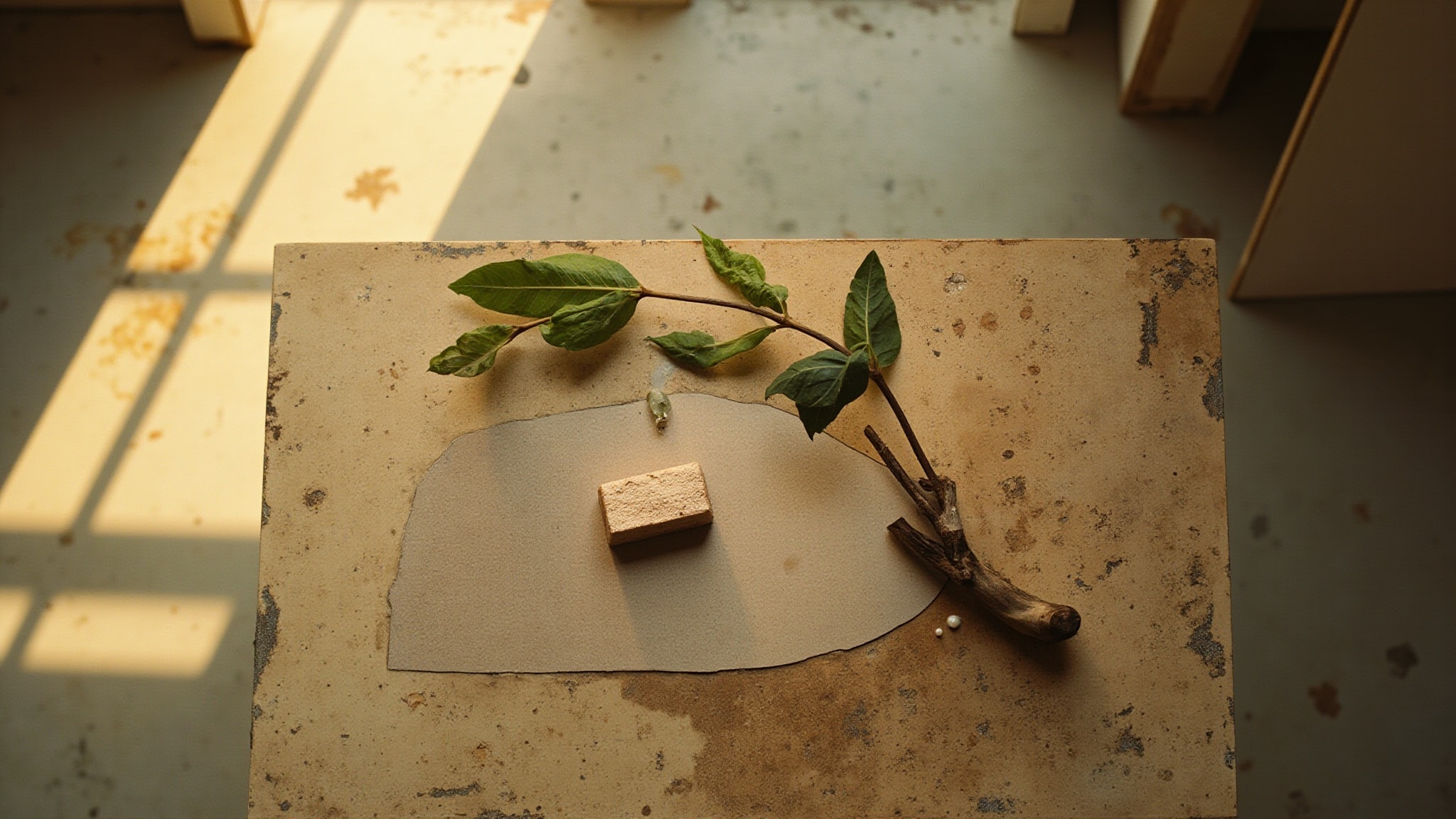
Resina Di Fico Verde takes a different route from the usual fig treatment. It leans into the resin itself, the sticky sap that bleeds when you break a fig stem, paired with Mysore sandalwood bark in the heart. That's a quieter, more material choice. The sandalwood isn't decorative; it's structural, carrying the resin without sweetening it. The result reads closer to a tree than a dessert, closer to bark and stone than pastry. The interplay between the fig milk and the sandalwood is where the composition does its real work.
The evolution
The first ten minutes smell like green sap and cool air under leaves. Fig milk and ivy give it that wet-stone quality, the ozone pulling it outward so it doesn't feel dense. Around the 20-minute mark, the Mysore sandalwood arrives and the composition tightens. The green sharpens into something more resinous, less leafy. The woods take over the center while the fig notes retreat into the architecture, no longer the lead but the binding agent. By the two-hour mark, oakmoss has settled into the base and the fragrance has crossed into drier territory. The fig leaf remains, but dusty now, like an herb pressed between book pages. The sillage contracts. It sits close to the skin from here on out, a warm woody-green presence that lasts through the afternoon and shows up again on a sweater the next morning. On fabric, the resin clings longer than on skin, and the drydown reads closer to old wood than fresh sap.
Cultural impact
Resina Di Fico Verde sits in a small category of fig fragrances that treat the tree as a botanical subject rather than a dessert. The 2003 release arrived at a moment when fig was still a relative novelty in fine perfumery, and it helped establish the green-fig treatment as a legitimate creative direction. What sets it apart is its refusal of ripeness. There's no fig jam here, no fig-and-honey sweetness, just the living plant captured at its most vegetal. The composition's influence can be traced through later fig releases that borrow its structural approach: the resin-led opening, the sandalwood heart, the mossy base.