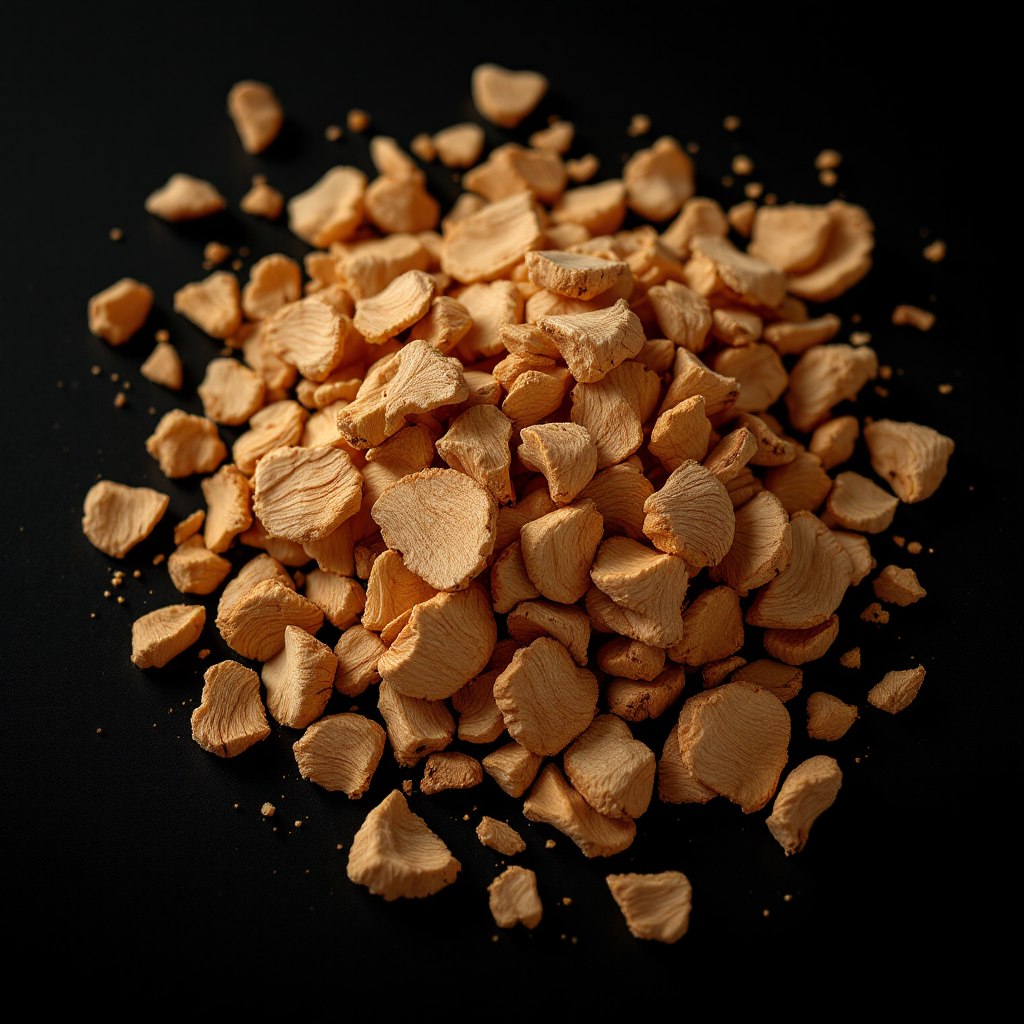
Sandalwood Bark
Sandalwood bark yields one of perfumery's most precious oils, prized for its creamy, woody warmth. A 4,000-year-old cornerstone of fragrance that anchors countless compositions.
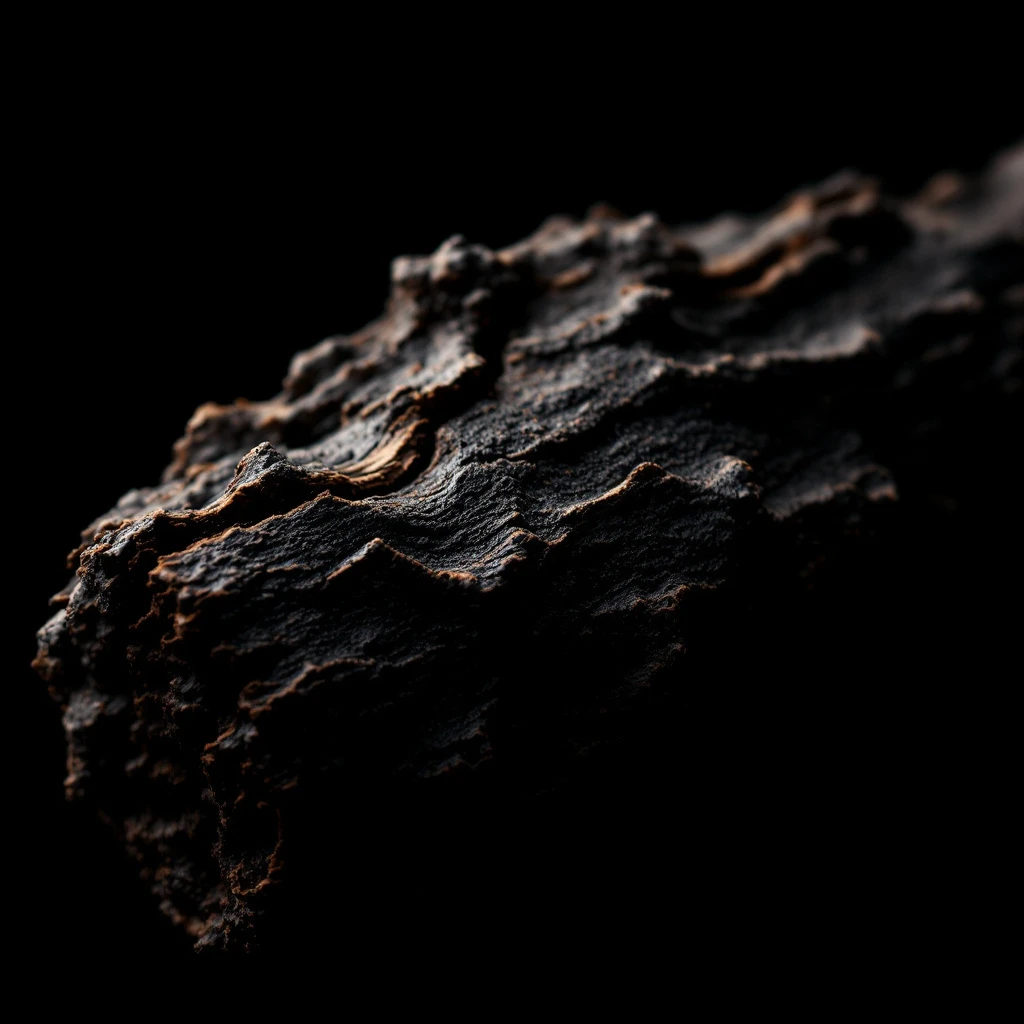
Character
How it smells
Ancient warmth from the heart of wood
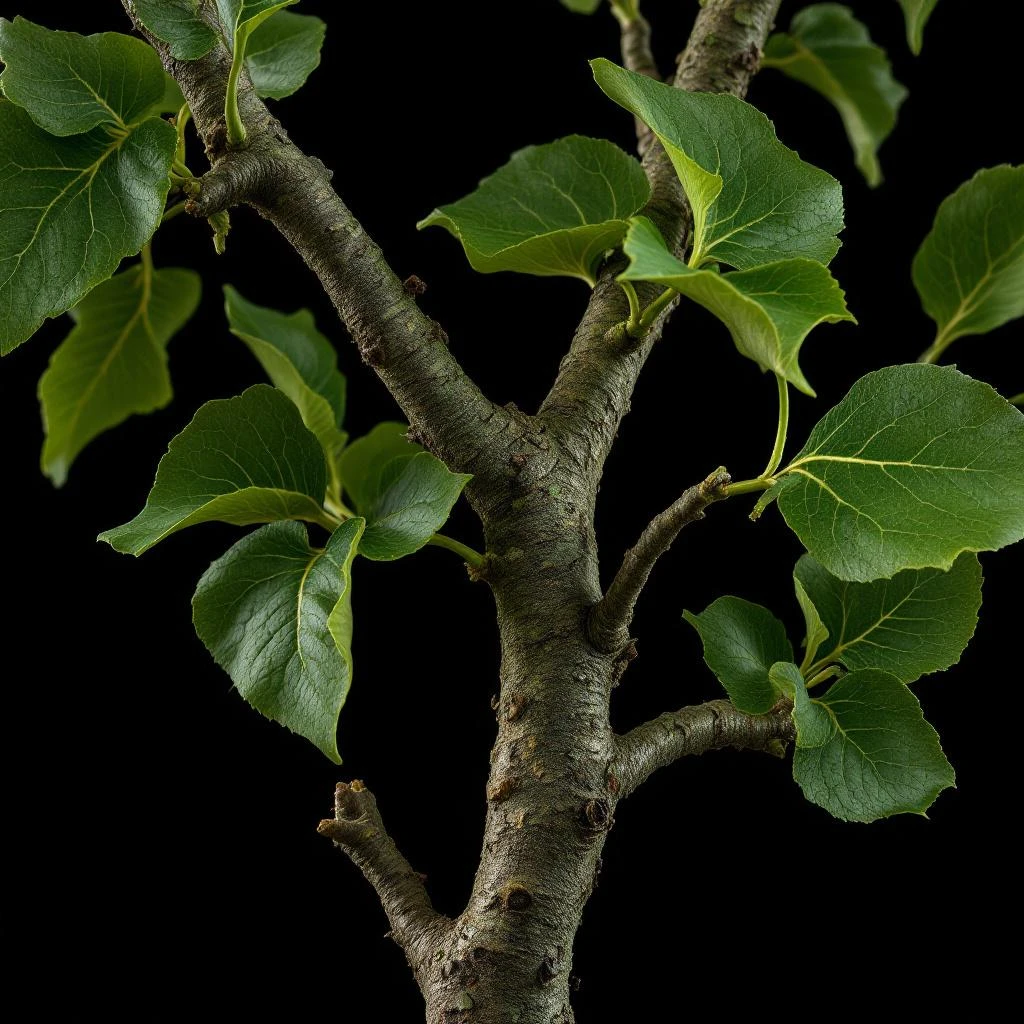
True sandalwood must be at least 15 years old before harvest; the oil develops only in mature heartwood.

Origin
India
Sandalwood holds one of the longest documented histories of any fragrance ingredient. Ancient Indian texts from around 700 BCE reference its use in rituals, medicine, and unguents, while Egyptian embalmers incorporated the oil into preservation rites centuries earlier. Medieval Indian perfumers developed attar techniques, steeping sandalwood chips in water and essential oils to capture its aroma in alcohol-free concentrates.
Traders carried the wood along the Silk Road, making it a luxury commodity in China, Persia, and Rome. The species Santalum album, native to southern India, became so prized that the kingdom of Mysore built a royal monopoly around its harvest in the 18th century. By the 19th century, European perfumers adopted sandalwood as a fixative base for florals and orientals, a role it still performs.
Overharvesting in the 20th century pushed wild Indian sandalwood toward scarcity, prompting cultivation programs that reshaped the global supply chain.
Wears it best
Fragrances featuring Sandalwood Bark
Brands
Brands known for Sandalwood Bark
Good to know
Questions, answered
The essentials on Sandalwood Bark in perfumery: how it smells, where it comes from, and how it behaves on skin.
What does sandalwood smell like in perfume?
Sandalwood smells creamy, milky, and softly woody with subtle nutty sweetness. Its smooth, lingering warmth makes it one of perfumery's most recognizable base notes, often used to anchor florals and spices.
Why is sandalwood oil so expensive?
Sandalwood oil costs more than most perfume ingredients because trees need 15 to 20 years to develop usable heartwood. It takes roughly 20 kilograms of mature wood to produce a single kilogram of distilled oil.
Is Indian sandalwood the same as Australian sandalwood?
Both belong to the Santalum genus but differ chemically. Indian Santalum album contains higher santalol concentrations, giving a richer, creamier aroma than the sharper, slightly medicinal Australian Santalum spicatum.
How long has sandalwood been used in perfumery?
Sandalwood has served perfumers for over 4,000 years. Indian texts from 700 BCE already document its use, and ancient Egyptians applied it in embalming rituals well before that.
What is sandalwood used for in a fragrance formula?
Perfumers use sandalwood primarily as a base note and fixative, extending the life of volatile top and heart notes. It also adds creamy depth to florals like rose and jasmine, and smooths sharp spices.
Is natural sandalwood sustainable?
Wild Indian sandalwood is endangered due to historical overharvesting. Modern plantation-grown sandalwood from Australia, New Caledonia, and managed Indian forests now supplies most ethical supply, reducing pressure on wild populations.
Can sandalwood be synthesized in a lab?
Yes, aroma chemists have created molecules like Sandalore, Ebanol, and Javanol that mimic sandalwood's scent. These synthetics offer a more affordable, sustainable option, though many perfumers still prefer natural oil's complexity.
What is the difference between sandalwood bark and heartwood in perfumery?
The bark contains little aromatic oil; perfumers extract essence from the heartwood, the dense inner core. The term 'sandalwood bark' is often used loosely to refer to wood sourced from mature sandalwood trees.