Feijoa Fruit
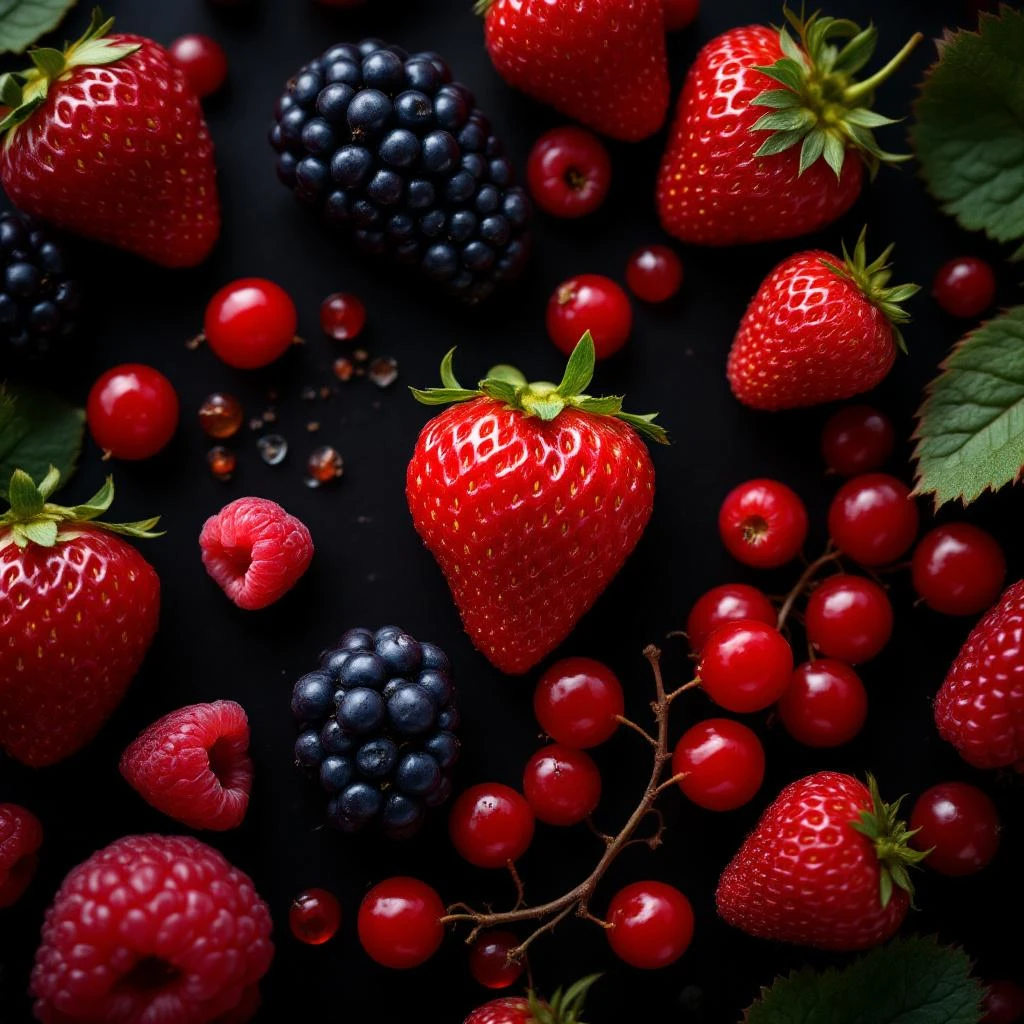
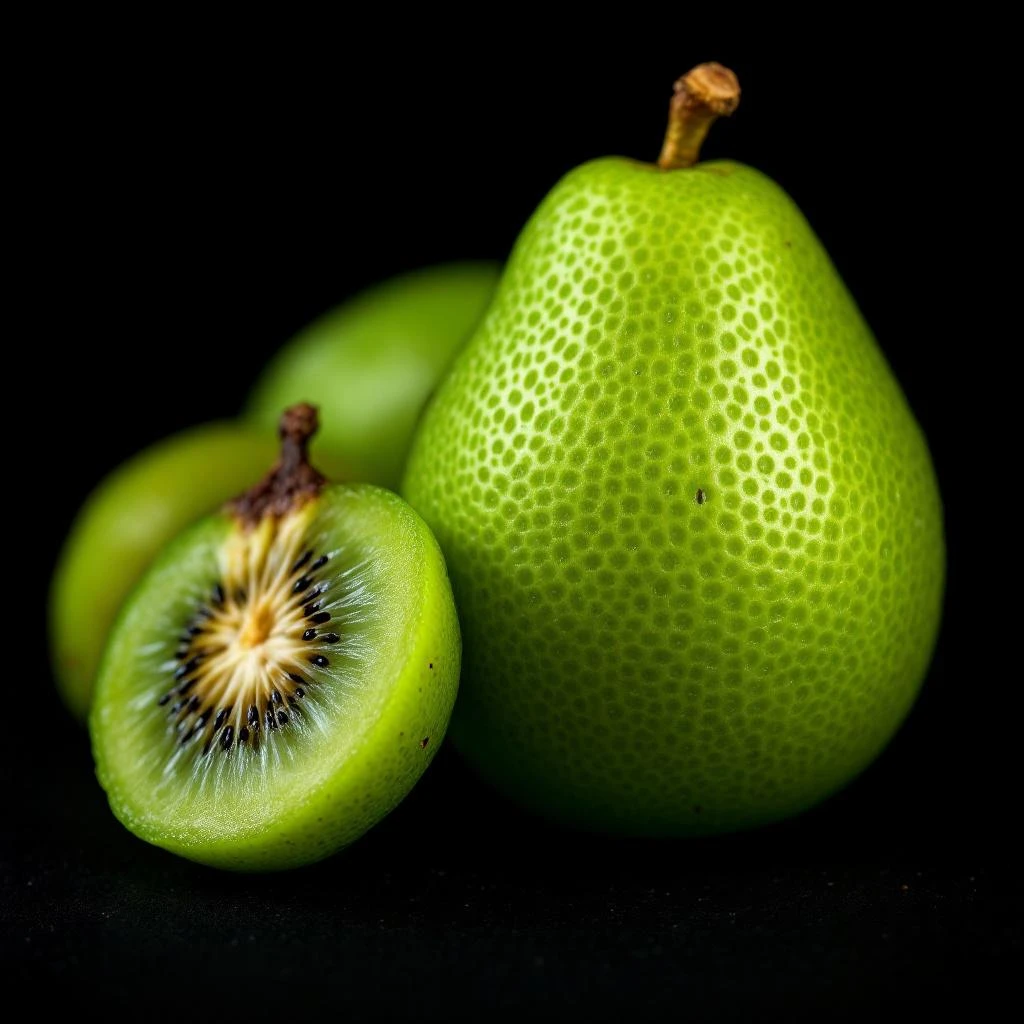
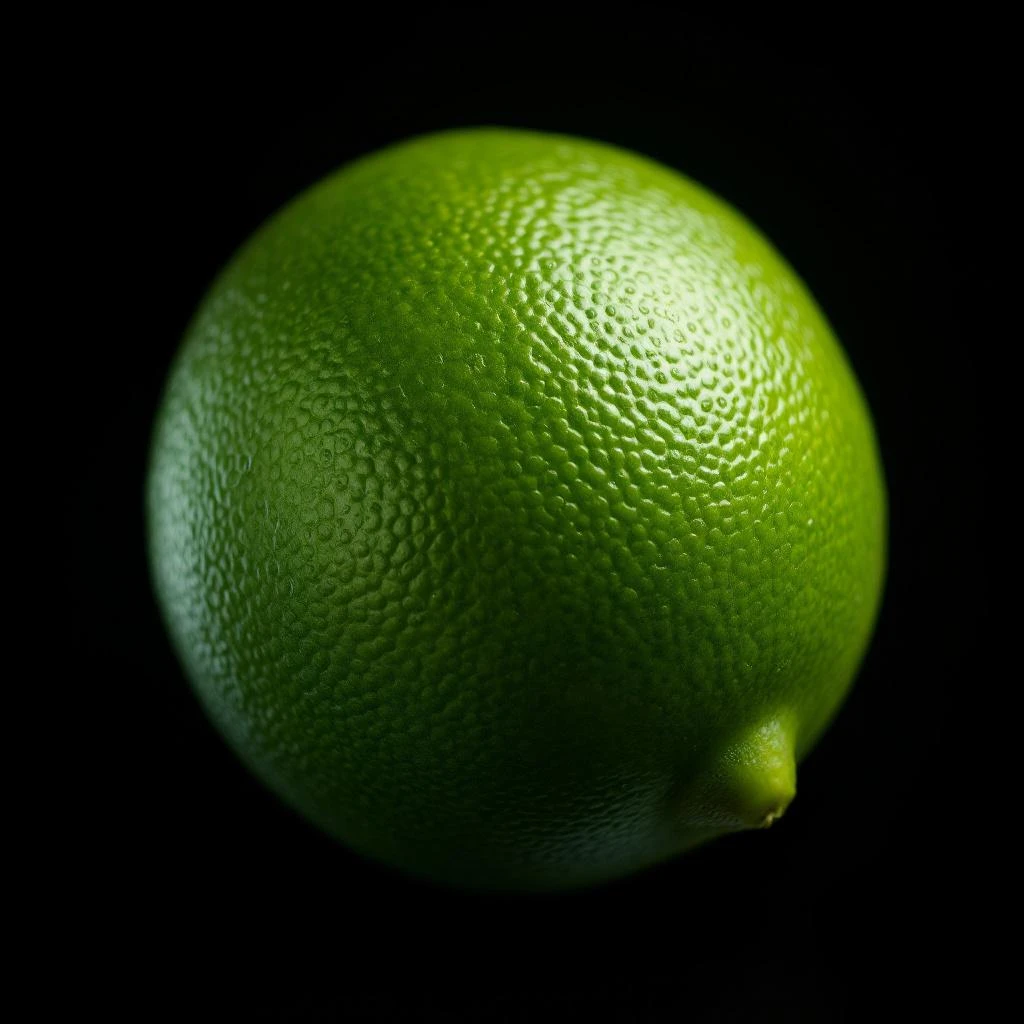
Feijoa fruit delivers a crisp, sweet‑green aroma anchored by methyl benzoate, evoking ripe guava and subtle floral notes that brighten modern blends. Its bright profile bridges tropical fruit vibrancy with a clean, natural finish, making it a distinctive note for niche compositions.
Character
How it smells
A crisp green fruit note that lifts any blend with natural brightness.
Feijoa’s signature scent comes from methyl benzoate, a compound that also serves as a low‑toxicity pesticide and a common solvent in industrial cleaning.


Origin
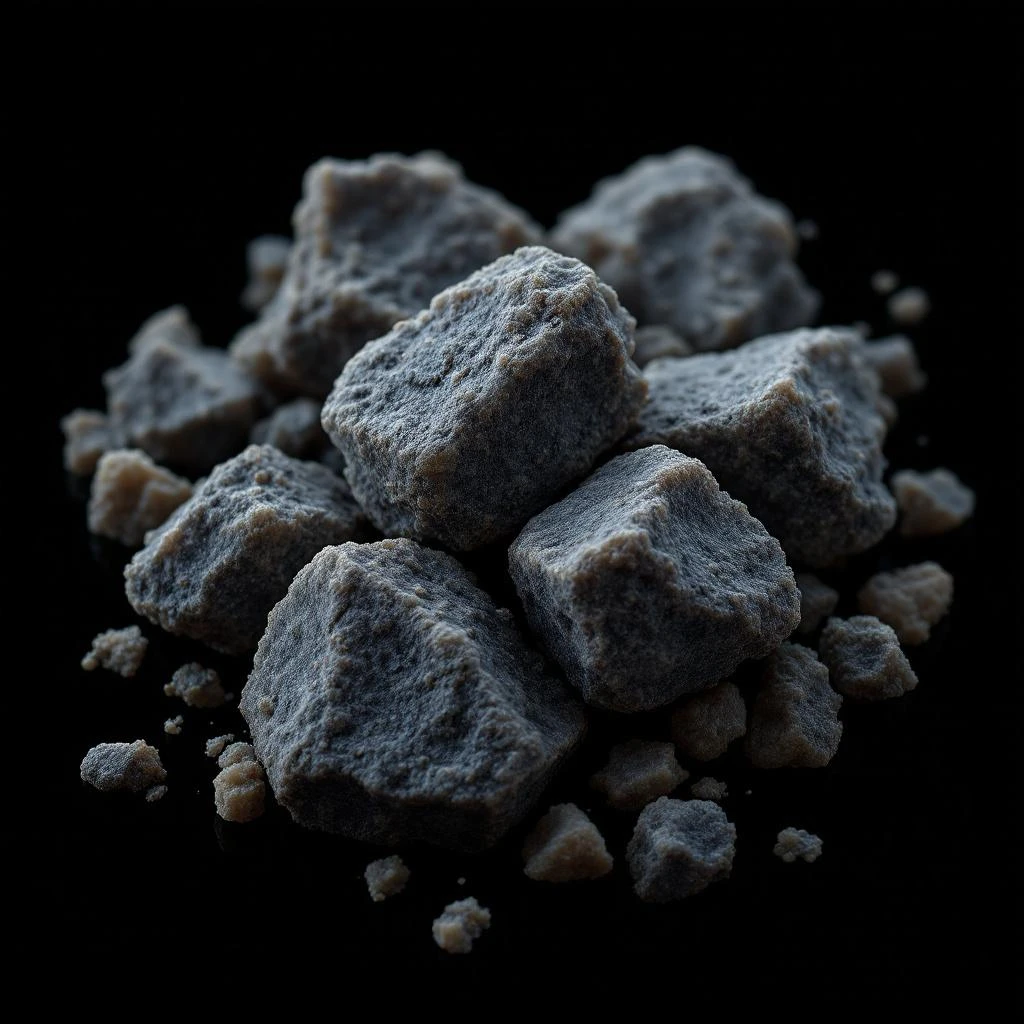
Brazil
Feijoa, scientifically Acca sellowiana, originates in the subtropical highlands of southern Brazil and adjacent Uruguay, where indigenous peoples harvested the fruit for its refreshing taste and mild medicinal properties. Early 20th‑century botanists introduced the tree to New Zealand, where it quickly became a commercial crop and a national symbol. By 1925, New Zealand exporters shipped the first feijoa consignments to the United Kingdom, sparking curiosity among British gardeners.
Throughout the mid‑1900s, horticulturists in Chile and Spain began planting feijoa orchards, expanding its presence across temperate zones. The fruit’s distinctive aroma attracted perfumers in the 1990s, who isolated methyl benzoate as the key fragrant molecule. A 2019 research paper documented the first systematic extraction of feijoa essential oil, opening a niche market for natural green fruit accords.
Today, feijoa appears in boutique fragrances, culinary creations, and natural cleaning products, reflecting its versatile legacy from South American forest to global shelf.
Wears it best
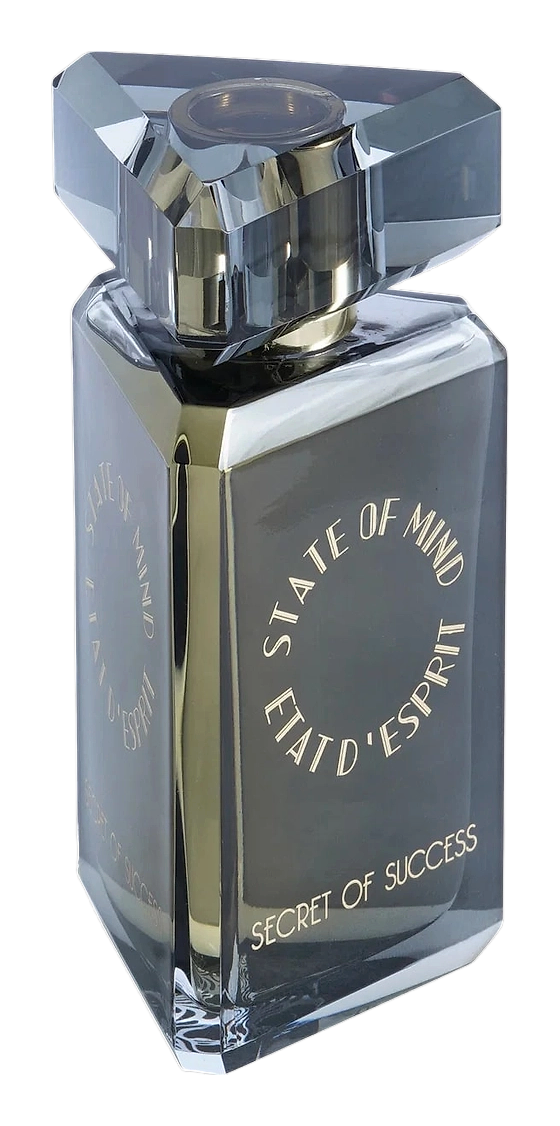
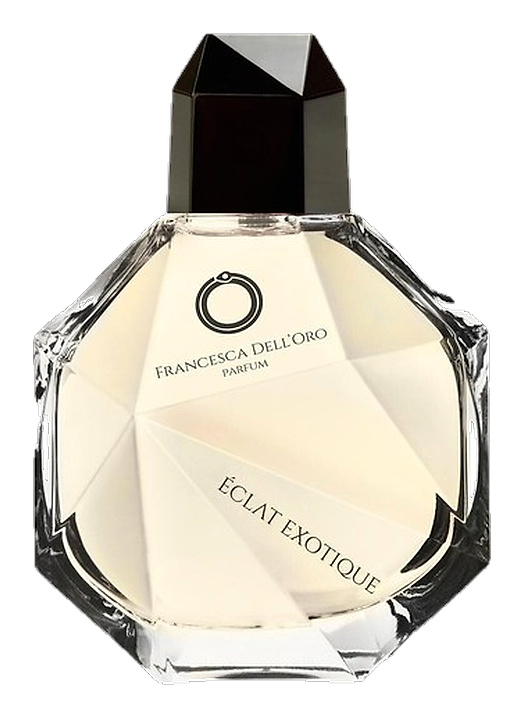
Fragrances featuring Feijoa Fruit
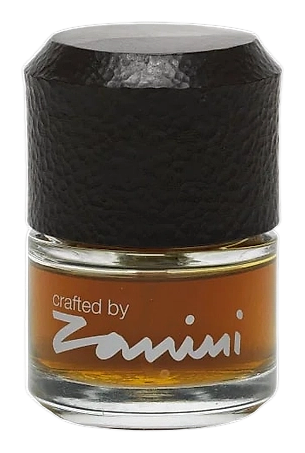

Brands
Brands known for Feijoa Fruit
Good to know
Questions, answered
The essentials on Feijoa Fruit in perfumery: how it smells, where it comes from, and how it behaves on skin.
What does feijoa fruit smell like?
Feijoa offers a bright, sweet‑green aroma reminiscent of ripe guava and pineapple with a subtle floral edge. The dominant note comes from methyl benzoate, which accounts for up to 30% of the volatile profile in fresh fruit extracts (compositional analysis study).
How is feijoa essential oil obtained?
Producers extract feijoa oil by steam distilling the fruit peel under controlled temperature. A 2022 optimization study reported a yield of 0.12 % by weight when distilling 5 kg of peel at 100 °C for three hours.
Is feijoa used beyond perfumery?
Yes, feijoa’s methyl benzoate serves as a solvent in industrial cleaning and as a low‑toxicity pesticide in orchard management. In 2021, agricultural reports listed methyl benzoate applications on 1,200 hectares of citrus crops in Spain.
Where does feijoa originate?
Feijoa is native to the subtropical highlands of southern Brazil and adjacent Uruguay. Botanical surveys record wild populations centered near latitude ‑25.0°, longitude ‑53.0° in the Atlantic forest biome.
When did feijoa enter European markets?
Feijoa reached Europe in the early 20th century after New Zealand exporters introduced the fruit to the United Kingdom in 1925. Trade records show the first commercial shipment arrived at London’s Smithfield market that year.
What part of the plant provides the strongest scent?
The fruit peel concentrates the highest levels of volatile esters, especially methyl benzoate and ethyl acetate. Laboratory analysis of peel extracts measured methyl benzoate concentrations of 1.8 mg g⁻¹, double the level found in the pulp.
Are there any safety concerns with feijoa oil?
Feijoa oil is generally regarded as safe for topical use at concentrations below 2 % in cosmetics. Toxicology data from 2019 note that skin irritation rates rise only when exposure exceeds 5 % in patch tests.
Can feijoa be grown in temperate climates?
Feijoa thrives in zones 9‑10, tolerating mild frosts but requiring well‑drained soil and winter chill. Horticultural trials in Oregon (latitude 44.0° N) produced fruit after three years, confirming adaptability beyond its native range.