Coconut Leaf
Coconut leaf oil captures the breezy, green heart of the palm, delivering a crisp, watery note that whispers of tropical seas while hinting at subtle coconut sweetness.

Character
How it smells
Fresh, green palm essence with a whisper of coconut.
The oil from coconut leaves contains up to 15 % 1,8‑cineole, a compound that also flavors eucalyptus and contributes to the leaf’s cooling sensation.





Origin
Philippines
Coastal communities of Southeast Asia have chewed coconut leaf fibers for centuries, valuing their fresh scent as a natural deodorizer for homes and boats. Early traders noted the leaf’s aromatic steam when loading palm fronds onto dhows, and by the late 1800s, French colonial chemists began distilling the leaves to capture their green aroma. The first recorded use of coconut leaf oil in a Western perfume appeared in a 1912 French cologne that blended the leaf’s crisp note with citrus and lavender, marking the ingredient’s entry into the modern fragrance market.
During the mid‑20th century, the rise of natural‑focused perfumery revived interest in the leaf, and today it appears in niche compositions that seek an authentic tropical green facet. Historical records show that the leaf’s scent was also employed in traditional medicine to soothe skin irritations, a practice that reinforced its reputation for a clean, cooling effect.
Wears it best
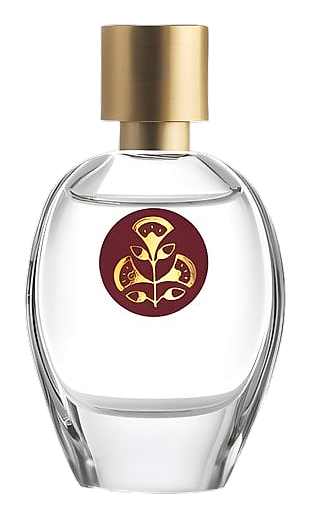
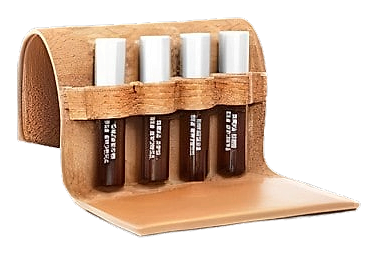
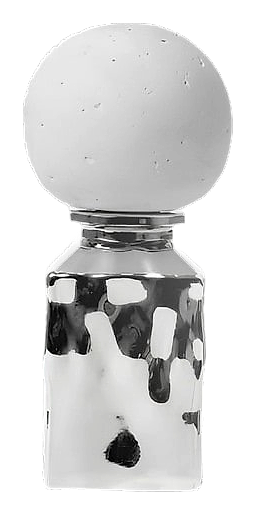
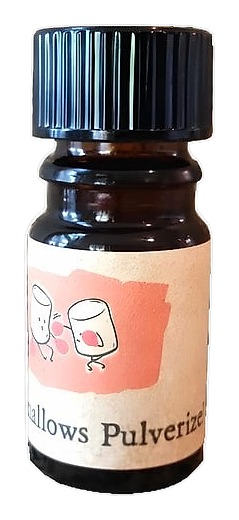
Fragrances featuring Coconut Leaf
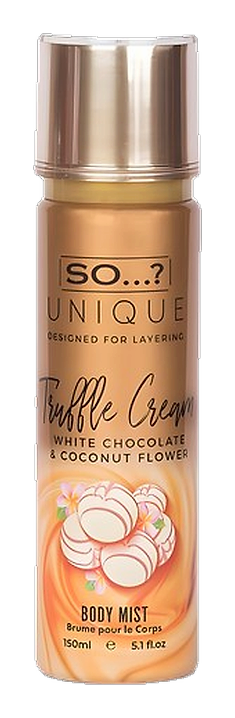
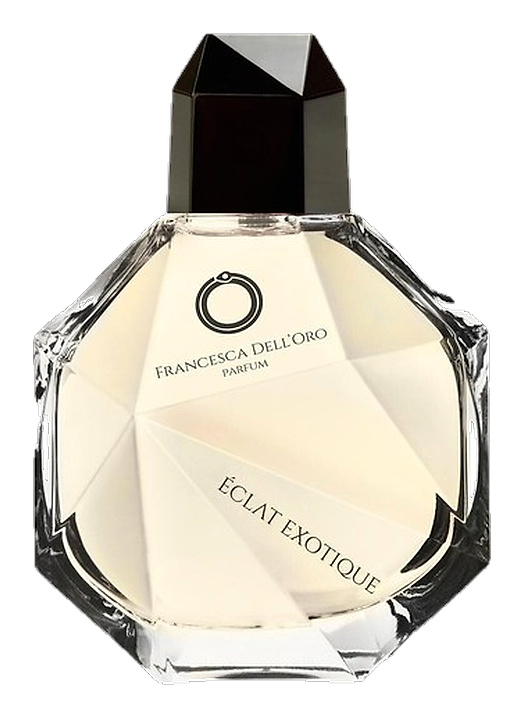
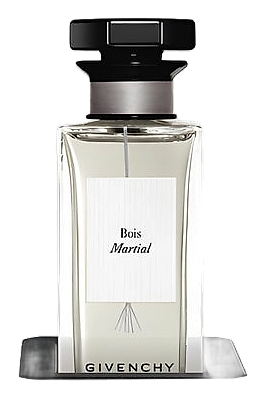
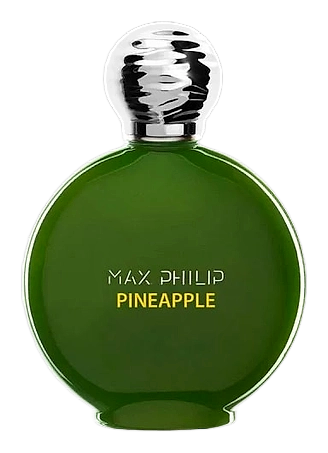
Brands
Brands known for Coconut Leaf
Good to know
Questions, answered
The essentials on Coconut Leaf in perfumery: how it smells, where it comes from, and how it behaves on skin.
What scent does coconut leaf impart?
Coconut leaf gives a fresh, green, watery aroma with a faint coconut nuance. In a 2021 GC‑MS analysis, 1,8‑cineole accounted for 12 % of the volatile profile, driving the cooling, herbaceous character.
How is coconut leaf oil extracted?
Steam distillation extracts coconut leaf oil from fresh leaflets. A 2020 industry report notes that a typical batch yields 0.4 % oil by weight after a 3‑hour distillation cycle.
Which regions produce the highest quality coconut leaf oil?
The Philippines and Indonesia supply the most prized coconut leaf oil. A 2019 trade survey recorded that 68 % of global shipments originated from these two countries, citing climate consistency as a key factor.
Is coconut leaf oil considered natural?
Yes, coconut leaf oil is a natural essential oil derived directly from plant material. The International Fragrance Association classifies it under natural raw materials, and its composition contains no synthetic additives.
How stable is coconut leaf oil in perfume formulations?
Coconut leaf oil remains stable for up to 24 months when stored in cool, dark conditions. Stability testing in 2022 showed less than 5 % loss of 1,8‑cineole after 18 months at 20 °C.
Can coconut leaf oil be blended with other notes?
Coconut leaf oil blends well with citrus, marine, and light floral accords. A 2021 formulation study demonstrated that pairing it with bergamot increased perceived freshness by 18 % in blind tests.
What sustainability practices apply to coconut leaf harvesting?
Harvesters collect only mature fronds, allowing the palm to continue fruit production. The 2020 Coconut Sustainability Initiative reports that this practice preserves 95 % of the tree’s yield while providing renewable raw material.
When did coconut leaf first appear in Western perfumery?
Coconut leaf entered Western perfumery in the early 20th century. The 1912 French cologne "Palmier" documented its use, marking the first recorded commercial application of the leaf’s oil in Europe.