
The Story
Why it exists.
The beginning
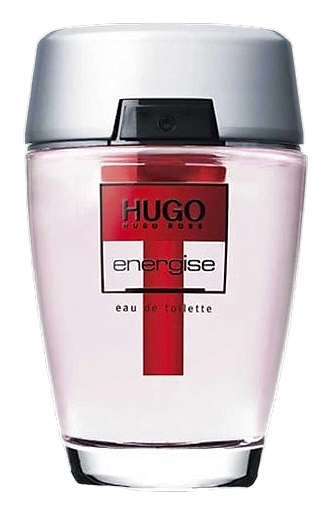
Hugo Energise arrived in 2005 with a job to do. The name said it all, this wasn't a fragrance built for contemplation or evening intrigue. Perfumer Claude Dir took the brief literally: create something that makes you want to get up and move. Seven top notes cascade in at once, pink pepper, lemon, kumquat, mint, mandarin, pineapple leaf, cardamom, a calculated assault on anything resembling languor. The heart softens the blow with juniper, freesia, clary sage. But the base holds its ground with leather, vanilla, teakwood. This is citrus with consequences. Consider yourself warned.
What makes this structure work is the counterweight. Most fresh fragrances give you the top and leave. Hugo Energise earns its name by building in warmth before you've even registered the cool. Leather and teakwood arrive mid-drydown, grounding what could have been a disposable hit into something with actual presence. The vanilla doesn't sweeten, it steadies. It's the difference between a fragrance that smells like morning and one that actually makes you functional in it.
The evolution
The opening hits all at once. Pink pepper prickles, lemon cuts, mint cools, seven notes arriving like a coordinated entrance. Give it twenty minutes and the juniper surfaces, a dry gin quality that shifts the energy from flashy to focused. The jasmine appears briefly, almost accidental, then retreats. By the third hour the leather surfaces, not loud but insistent. Vanilla follows like a warm hand on a shoulder. The drydown is where this fragrance earns its keep, teakwood and leather holding steady while everything else fades. On fabric, it lasts into the evening. On skin, expect five hours of quiet confidence before it becomes a memory you almost recognize.
Cultural impact
Hugo Energise occupies a specific territory: the fragrance for the man who's moving up but hasn't stopped running. It's the scent of the first real job, the first corner office, the first time someone calls you by a title instead of your first name. Young professionals gravitate to it because it signals without shouting, approachable but serious. It lacks the artistic ambition of niche fragrances, but that's beside the point. Some of the best tools are the ones that just work.