The Story
Why it exists.
The beginning
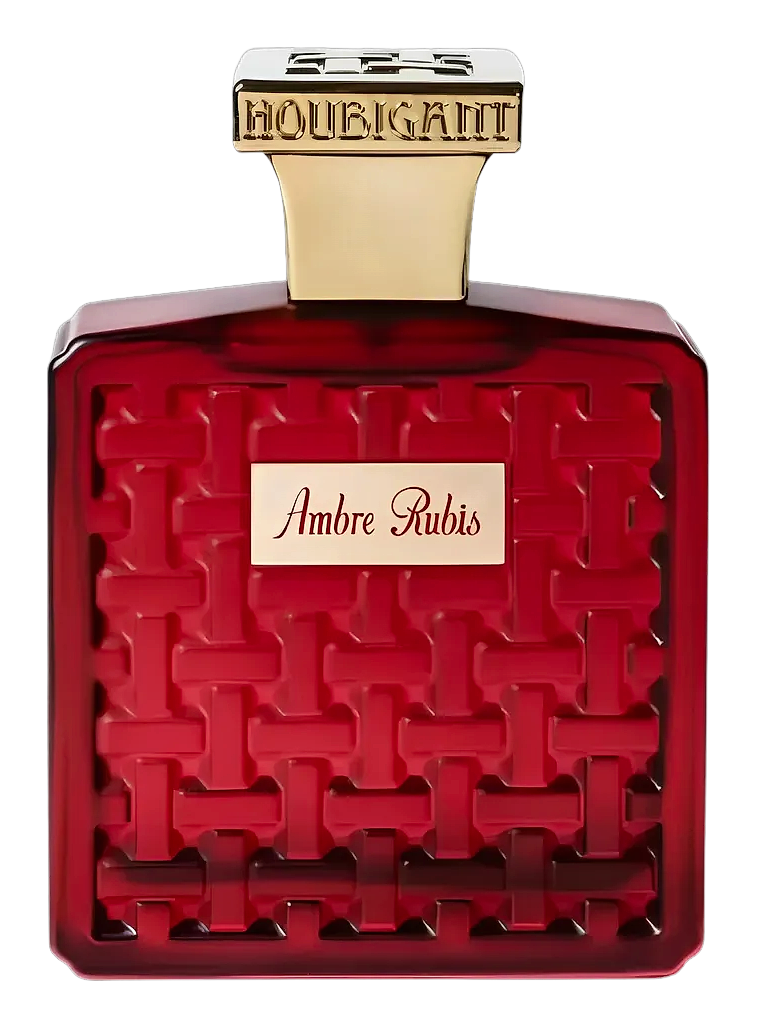
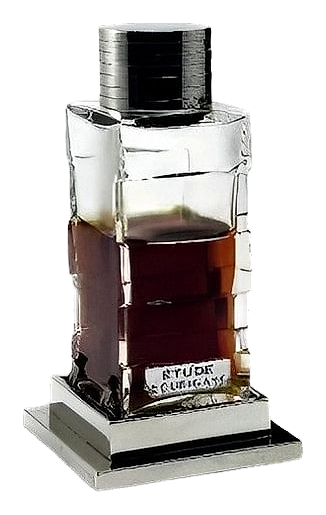
Etude arrived in 1931, the same year the Abstraction art movement was reshaping how Europeans saw form and space. Marcel Billot, working from one of France's oldest perfume houses, composed this fragrance during that era, inspired by the visual language of the time. The name itself is telling: Étude. Houbigant offered a composition where every element is deliberately placed. It was also a fragrance that came with a full treatment line, signaling how seriously the house took the release, and how much they expected it to be worn, not merely admired on a vanity.
What makes Etude notable isn't a single exotic ingredient but the discipline behind its assembly. Billot followed the classical style of French composition, meaning the fragrance behaves with intentional structure from first spray to final hours. Every note earns its position within the composition. The opening acts as the structural line. The heart provides the weight and proportion. The base gives the whole thing something to rest on. There's nothing improvisational here, nothing thrown together without thought.
The evolution
Etude makes its presence felt immediately, opening with a crisp clarity reminiscent of how courts cut through air on a cool day. The top notes carry a brightness that's assertive but never aggressive, settling into the skin within minutes while leaving their impression intact. By the second phase of wear, the fragrance loosens into something softer and more enveloping, a shift that feels less like a dramatic transformation and more like a gradual exhale. The heart stage brings a powdery quality that's reminiscent of vintage cosmetics, not heavy or fussy, but with that particular softness that recalls face powder or the inside of an old dressing room. This is where the classical training shows most clearly. Nothing overwhelms the senses. Nothing overstays its welcome.
Cultural impact
Etude belongs to a notable wave of fragrances released in the early 1930s, a period that produced some of the most studied compositions in French perfumery history. Its discontinuation has only increased its appeal to vintage collectors and enthusiasts who seek out classical French perfumery from this period. The fragrance occupies a particular place in the hearts of those who collect and wear vintage perfume, valued for its construction and its connection to a specific moment in French fragrance history.