
The Story
Why it exists.
The beginning
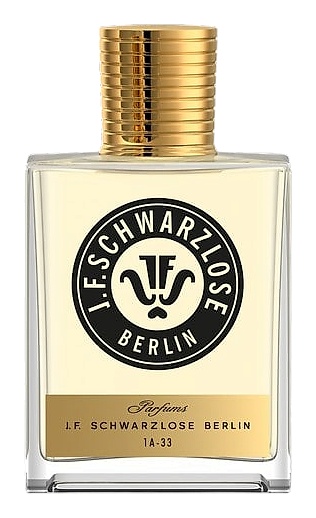
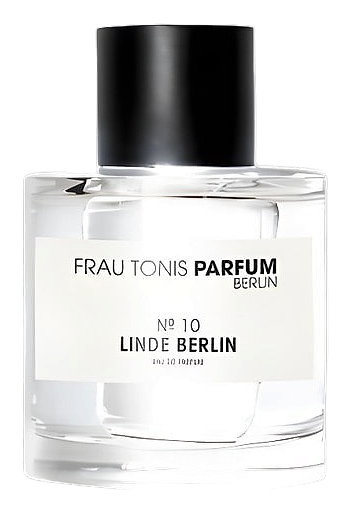
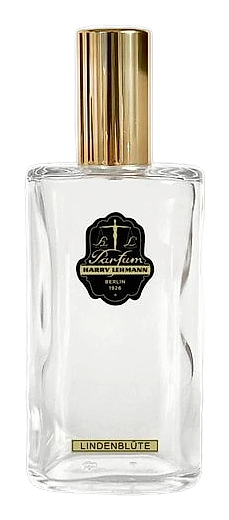
Lindenblüte is Harry Lehmann's love letter to the linden trees that line Berlin's grand boulevards, those broad-canopied sentinels that turn the city's avenues into perfumed corridors each June. The fragrance takes the tree whole: blossom, leaf, the sweetness that saturates the air beneath them. It's an exercise in place-making, one of the oldest moves in perfumery, and here it's rendered with the patience of a Berlin house that has been compounding since 1926, nearly a century of quiet accumulation. The inspiration is the street itself, the buzzing canopy, the warm afternoon energy of a city coming alive under its trees. The juice carries that sunlit impression with a botanical honesty: the green leaf isn't sanded down, the honey isn't stripped out, the buzzing isn't polished away.
What gives Lindenblüte its particular conviction is its refusal to smooth the green away. Linden is one of those flowers that doesn't exist in isolation; the blossom always comes with the leaf and the honey and the buzzing insect life around it. This composition holds all three together instead of distilling the flower into a clean white-floral abstraction. The heart notes name linden blossom, honey, and linden tree leaf as equals, and that triangle is what gives the fragrance its character. It's a complete botanical portrait rather than a single-note study.
The evolution
The opening arrives green and slightly chlorophyll-sharp, like crushing a fresh linden leaf between your fingers. That herbaceous sharpness is the first ten minutes, almost a teaser before the flowers open fully. Then the blossom floods in: warm, honeyed, yellow and unmistakable. The honey note isn't cloying here; it reads as the scent of linden honey itself, beeswax-warm with that slightly dusty sweetness that real linden trees give off in June. As the hours pass, the honey deepens and the green leaf pushes back, the two oscillating gently until they settle into something intimate and skin-like. The green and the gold take turns leading the composition, one rising as the other recedes, creating a quiet conversation between vegetal freshness and warm sweetness.
Cultural impact
Lindenblüte earns its particular reputation through photorealism. Wearers describe it as the kind of scent that makes people stop and ask where the linden is coming from, because for a moment it seems as though an actual tree must be in bloom nearby. It's a Berlin keepsake for the nose, a bottled impression of a specific city in a specific month, and it carries that specificity with a kind of quiet confidence. The fragrance doesn't apologize for being what it is: a portrait of a single tree, rendered with care and without shortcuts. For anyone who knows the smell of linden in bloom, the recognition is immediate.