The Story
Why it exists.
The beginning
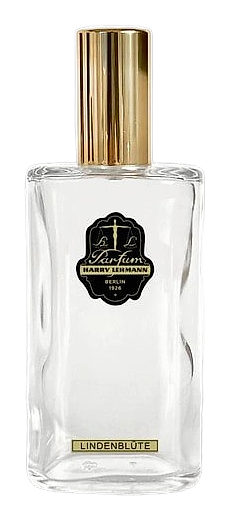
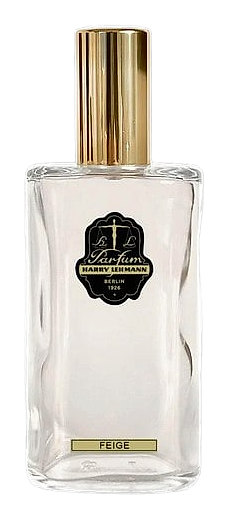
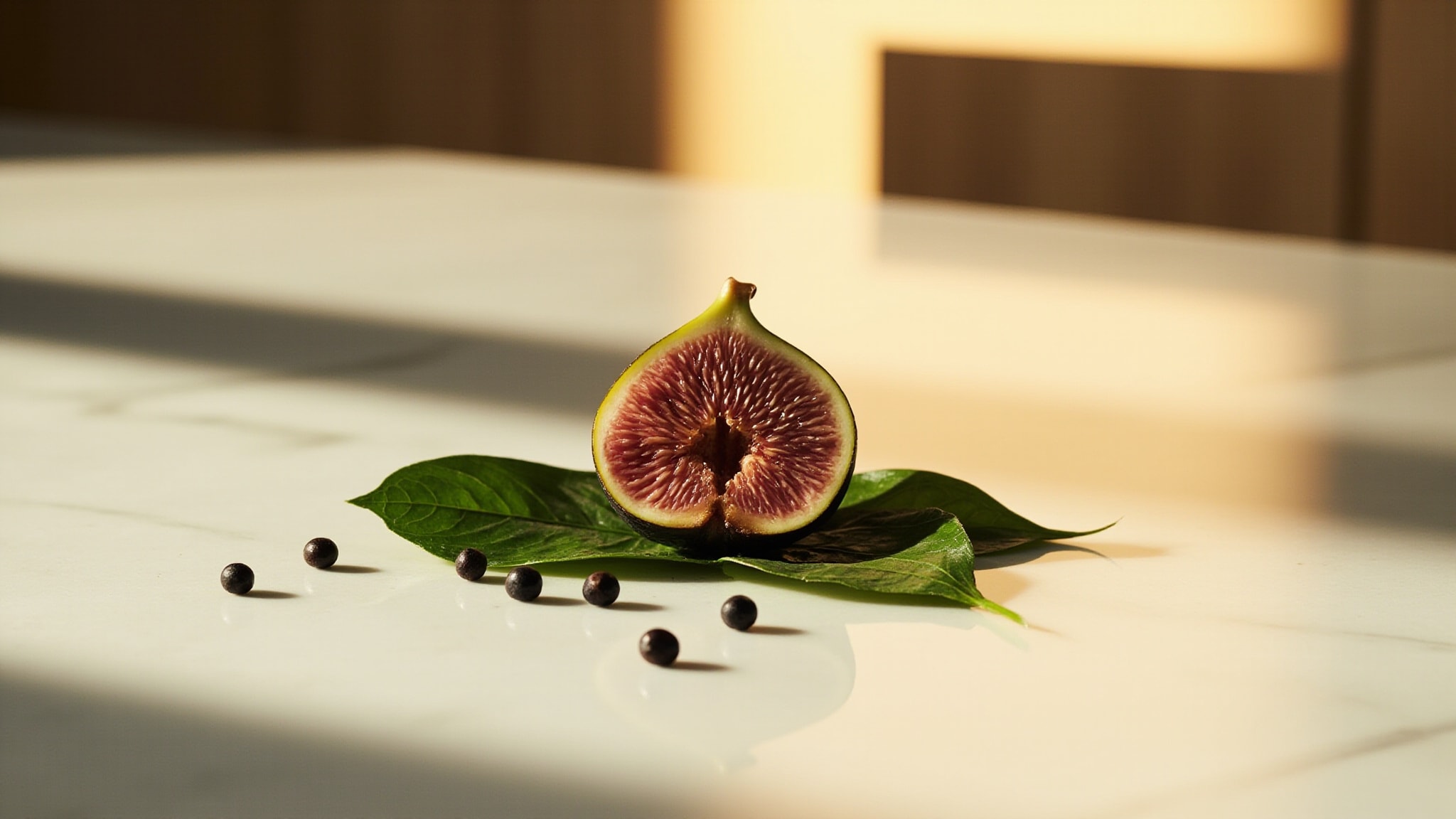
Feige was built around the idea of a fig tree rather than a single bowl of fruit. Harry Lehmann's official description calls it an ode to the entire tree: green leaves for freshness, milky figs for their soft fruitiness, and wood for the weight beneath both. That wide brief lets the composition move easily between crisp greenery, creamy sweetness, dark fruit, pepper, and woody density. No launch year or named perfumer is confirmed, so what remains is the idea itself, and it's a good one. A fragrance called Feige could have chased dessert. This one keeps bark, leaf, and ripe fruit in the same frame.
What's unusual here is the complete-tree treatment. Fig leaf supplies the green, almost rubbery snap, while coconut gives the fruit a rounded, milky creaminess. Blackcurrant adds dark fruit rather than pure sugar, and pepper prevents the blend from becoming too smooth. Cedar and the woody character of fig tree then hold that fruit in place, adding the dry sense of trunk and branch. The result sits somewhere between orchard fruit and polished wood, which makes the name feel like a portrait rather than a label.
The evolution
The opening gives you the tree before the fruit: green fig leaves, galbanum, coconut, blackcurrant, and pepper arrive with a cool, leafy snap. That first phase feels bright and lightly tropical, but never like a poolside cliché. As it settles, creamy fruit takes over. The coconut rounds the acidity, blackcurrant deepens the shadow, and cedar introduces a dry, structural edge. By the drydown, the composition feels less like a platter of fruit and more like the cool interior of a leafy garden. Its woody core lingers after the brighter fruit recedes, carrying a restrained green sweetness for hours. The payoff is a scent that stays composed: fresh at first, creamy through the middle, and quietly woody at the end.
Cultural impact
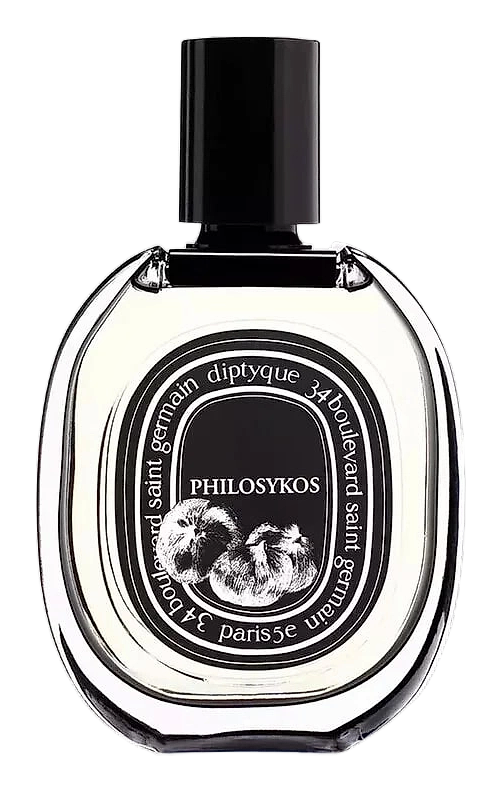
Feige sits within Harry Lehmann's portrait of evolving Berlin fragrance preferences: a clear, nature-focused composition that feels familiar without being generic. In the wider language of fragrance, it belongs to the fig-loving tradition of green fruit scents, alongside names such as Philosykos and 44 Feige. Its appeal is practical and distinctive at once, made for people who want fruit with foliage and structure rather than sweetness alone.