The Story
Why it exists.
The beginning
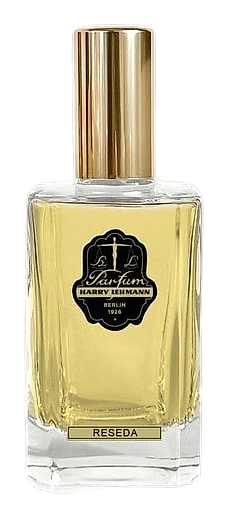
Reseda takes its name from the fragrant flowering plant known for a gentle, slightly old-fashioned garden presence. That idea shapes a composition built around the tension Harry Lehmann describes as delicacy against expressiveness: white flowers provide the freshness, while noble woods add depth and composure. There’s a quiet, almost familiar quality to the name, but the fragrance itself is anything than a simple floral. It’s the sort of scent that suggests a sunny garden without losing the sense of a room with excellent taste.
The interesting part is the contrast rather than any single note. Lily of the Valley supplies a clean floral lift, Galbanum introduces a green, aromatic snap, and Rose keeps the heart expressive. Cedar and Woody Notes give the composition a backbone, while Iris adds a powdery, cool-toned polish. Musk keeps the whole thing close to skin. Together, the materials make Reseda feel less like a bouquet and more like a well-chosen outfit with a garden view.
The evolution
At first, the white floral brightness comes forward with Lily of the Valley, sharpened by the leafy energy of Galbanum. The heart grows more dimensional as Rose, Iris, Cedar, and Woody Notes overlap, moving from fresh petals toward something drier and more composed. Musk then pulls the edges inward, leaving a soft, powdery warmth rather than a hard woody finish. As the fragrance settles, the flowers soften but don’t disappear; they sit against the woods like light linen over a tailored jacket. Its moderate sillage keeps the trail close, while the 8-10 hour drydown gives it plenty of time to unfold on skin.
Cultural impact
Reseda sits within Harry Lehmann’s patient Berlin perfumery tradition: a floral, woody, green scent for someone who wants freshness with more polish than a simple pretty floral offers. Its cultural setting is less about spectacle and more about the quiet pleasure of a well-made, expressive composition with room to change on skin.