
The Story
Why it exists.
The beginning
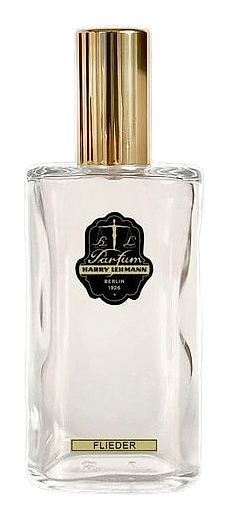
Flieder takes its name from the German word for lilac, and its composition begins with that flower in its most natural register: fresh, green, and lightly sweet. The official description frames it as a gentle breath of spring, where floral freshness meets subtle sweetness without becoming heavy. Magnolia adds a broader, creamier blossom to the central bouquet, while ylang-ylang brings a sensual depth and heliotrope lends a soft, powdery floral nuance. The result is romantic but restrained, a lilac portrait that feels lived-in rather than overly polished. No perfumer or launch year is documented in the available sources.
The interesting part is the balance between lilac's green freshness and the supporting flower's creaminess. Magnolia gives the bouquet a rounded, gliding texture, while ylang-ylang introduces a warmer, more intimate sweetness. Heliotrope keeps that sweetness in a floral register, so the composition can move from airy spring daylight to a more sensual floral atmosphere without changing lanes. It is a simple four-note idea, but the contrast is where the character lives.
The evolution
Flieder begins with the clean snap of lilac, green and lightly powdered, like leaves and flower stems after rain. As the scent settles, magnolia broadens the bouquet into something creamier and more enveloping. Ylang-ylang adds a soft tropical warmth, while heliotrope gives the center a powdery, almost hazy finish. The composition doesn't turn heavy; it keeps its springlike clarity while becoming more intimate on skin. As the drydown progresses, the bright floral opening gives way to a gentle floral trail with a loyal following among enthusiasts who prefer balanced, polished florals.
Cultural impact
Flieder sits within Harry Lehmann's quiet Berlin tradition of floral and classically composed fragrances. Its appeal is less about spectacle than about a specific kind of polish: a familiar lilac idea made more dimensional through green freshness, creamy magnolia, and the sensual lift of ylang-ylang. The result rewards wearers who like florals with some air around them, rather than a dense, overtly sweet bouquet.