The Story
Why it exists.
The beginning
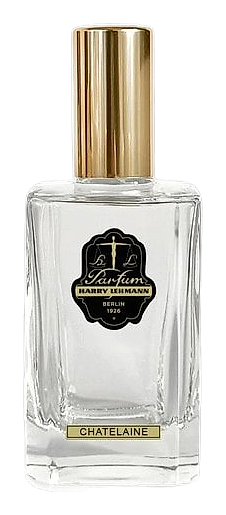
Châtelaine arrived in 2011 from Harry Lehmann, a Berlin perfume house with a history rooted in 1926. The name carries medieval weight. A chatelaine was the lady of the castle, keys at her belt, running the place with quiet authority. That image is the whole brief. Not a damsel waiting in a tower. The woman holding the keys. The official description calls it opulent, intense in its gourmandness, and there’s no arguing the point. Vanilla anchors the structure, but it doesn’t float alone. Blackcurrant, wild berries, and almond bring the fruit. Caramel and honey bring the sugar. Patchouli and sandalwood hold the door so the sweetness doesn’t escape. Everything sits within a salty, almost bruised warmth that gives the composition a body most sweet fragrances never achieve.
What separates Châtelaine from the long line of berry-and-vanilla compositions crowding the gourmand category is the salt. Not literal sea salt, but that impression of saltiness that keeps the sweetness from collapsing into sugar water. The brand mentions it directly, and it matters. Without that salted edge, this would be candy. With it, the composition earns its 8+ hours on skin. The patchouli and sandalwood base isn't decorative. Patchouli here does what it does best: grounds the fruit, darkens the honey, and pulls the vanilla away from anything that smells like a bakery display. Sandalwood adds the cream.
The evolution
The first ten minutes are a polite handshake. Bergamot and mandarin lift the curtain, bright and slightly tart, while blackcurrant and berries land underneath. Almond arrives early and stays, lending the opening a marzipan warmth that suggests where this is going. No surprises yet. The composition is showing you the table. Then the heart thickens. The florals do their quiet work beneath the fruit, more texture than statement. Caramel melts in. Honey shows up not as sweetness but as weight, the way honey behaves when it sits on warm bread. This is the dense, almost edible middle that makes people lean closer, with fruit, almond, caramel, and honey gradually becoming less separate and more unified. The drydown is where Châtelaine finds its real voice. Patchouli and sandalwood take over, turning the composition darker and drier than the opening promised.
Cultural impact
Châtelaine sits in a specific corner of the gourmand world, the one where sweetness comes with a salted edge and a woody spine. Wearers who gravitate toward Mugler’s Angel or Blue Star by Miro tend to find a similar register here, though Châtelaine moves through a warmer fruit-and-almond opening. The fragrance has found a following among people who want their gourmands to feel grounded, architectural even, rather than purely confectionary. It carries the kind of presence that suits cool weather and evening wear, opening with brightness before settling into a dense, woody, warmly salted trail.