The Story
Why it exists.
The beginning
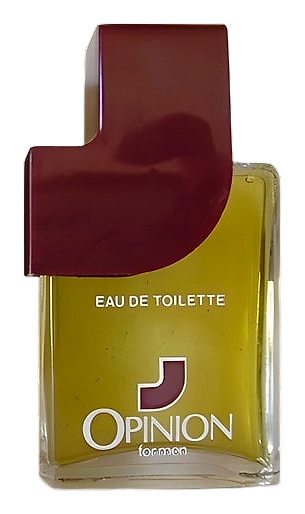
Opinion For Men appeared in 1982, placing it in the era of classic men's cologne. Its name makes no elaborate promise. It simply announces its intended wearer and presents fragrance within a traditional men's grooming context. The surviving record gives no named perfumer and no documented inspiration beyond that direct positioning. What it does offer is a clear composition built around Spices, Woody Notes, Leather, and Citruses. Together, these notes move from bright citrus and aromatic spice into dry woods, supple leather, smoke, and a distinct animalic character. The result is warm, grounded, and textured, with enough brightness at the top to keep the heavier notes from feeling entirely dense.
The composition's central tension is simple and effective: citrus brings the air, leather brings the body. Spices sharpen the opening, woods pull the scent downward, and the animalic accord gives the whole thing a low, magnetic pulse. That combination makes Opinion For Men feel less like a quiet cologne and more like a measured challenge. It has enough brightness for the start of the day, then enough weight to stay interesting once the first impression fades.
The evolution
The opening arrives with aldehydic citrus, honey, and spices, bright and polished enough to establish a clean start. Citrus gives the first impression a crisp edge, while honey softens the sharper notes and adds a faintly sweet warmth. As those brighter elements recede, a warmer, dustier character steps forward. Musty tobacco tones, dry woods, leather, and musk become more apparent, with the animalic thread remaining among the most persistent parts of the composition. Leather and tobacco deepen the drydown, while dry woods give it structure and a subtle smoky quality. The final impression is warm, close to the skin, and distinctly woody.
Cultural impact
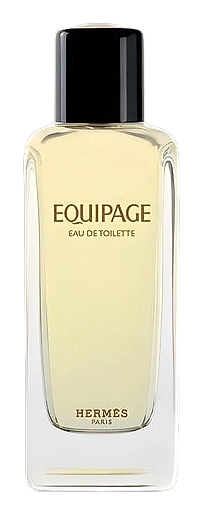
Opinion For Men sits in the classic woody spicy cologne register, where citrus freshness meets leather, tobacco, smoke, and animalic facets. Its closest named points of reference are the aromatic spice of Equipage and the animalic, honeyed character associated with the original Boss, placing it among familiar 1970s and 1980s men's fragrances. The direct name and classic structure reinforce its period context without requiring a broader historical claim. Its scent profile moves from bright citrus and polished aldehydes into warmer spice, tobacco, leather, and dry woods.