Heritage
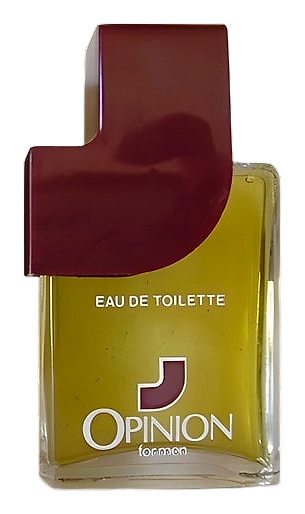
A house, in its own words
Hanorah was founded in 1956, placing its origins in the postwar expansion of European grooming and cosmetics. Independent fragrance-retail records trace its early catalogue to 1965, when the company introduced a male cosmetic line called Hanorah For Him. The 254 ml fragrance bottle associated with that line carries a period design and helps connect the name to the classic cologne era. Hanorah appears to have moved through several markets and retail formats over time, with surviving listings drawing on older packaging and catalogue information. By the early 1980s, the house had released Opinion For Men, a fragrance recorded in specialist perfume databases with a 1982 date. The available evidence does not establish Hanorah's founder, original country, factory locations, or subsequent ownership, so those points remain unconfirmed. What can be said with confidence is that the company developed from a mid-century cosmetics business into a recognisable name in men's fragrance. Its catalogue occupies the space between utilitarian aftershave and more formal cologne, reflecting a period when masculine grooming products were often sold as part of broader cosmetic ranges rather than as individual works by a named perfumer. Hanorah's archive is small, but it preserves an important chapter in the history of affordable traditional scent. Hanorah's creative philosophy can be read through the structure and placement of its surviving products rather than through a documented manifesto. The Hanorah For Him line, introduced in 1965, presents fragrance within a wider system of male grooming. That approach suggests a practical view of scent as one component of a complete daily ritual, sitting alongside cosmetic products rather than existing as a detached artistic object. Opinion For Men, by 1982, carries a similarly direct name. Its wording identifies the intended wearer and reinforces a clear, uncomplicated relationship between product and audience. No perfumer is linked to the fragrance in the available records, and Hanorah has not supplied enough verifiable information here to describe a formal creative programme, signature technique, or ingredient policy. For that reason, it would be misleading to assign the house a more elaborate aesthetic doctrine. Its most defensible position is one of accessible, purpose-led fragrance design. The name is concise, the men's framing is explicit, and the historical catalogue sits within familiar cologne conventions. Hanorah's appeal lies in this clarity, offering a recognisable style of traditional masculine scent without needing the mythology of a celebrity perfume or the elaborate narrative surrounding niche releases.