The Story
Why it exists.
The beginning
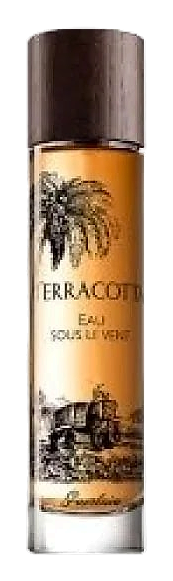
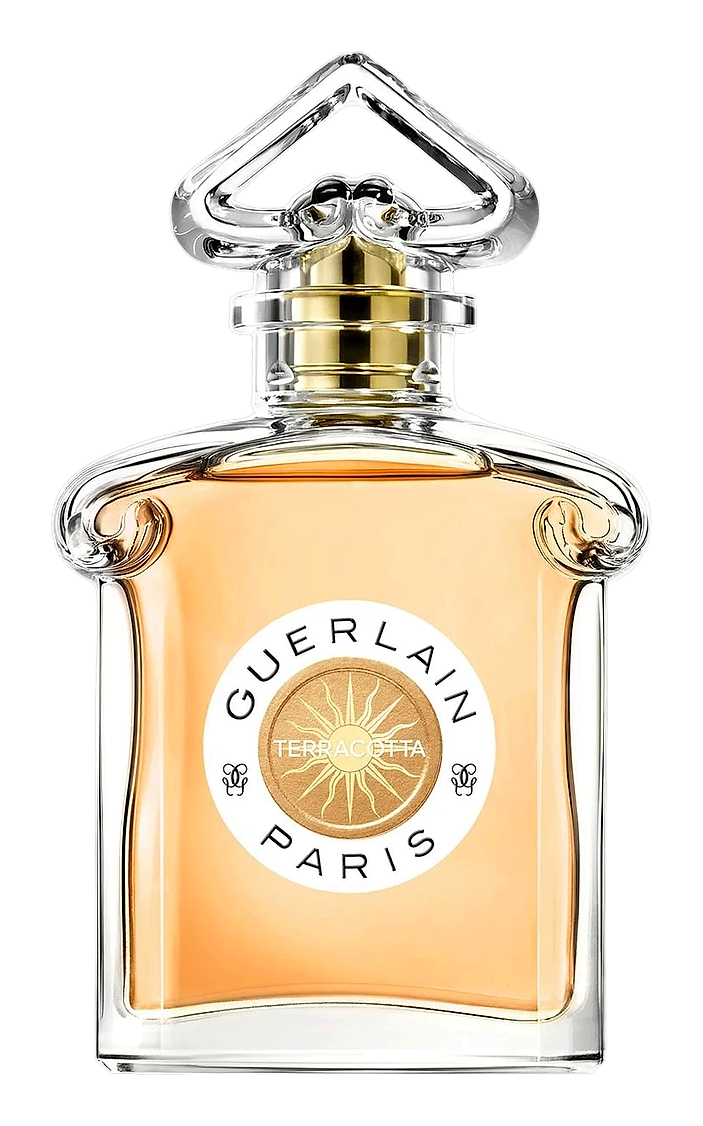
Terracotta Voile d'Été emerged from Guerlain's creative laboratories, a scent that captures the layered complexity of summer rather than a single note. The name itself tells you everything: terracotta earth tones, the weight of summer light at its warmest, and the translucent 'voile' of heat that hovers above it all. Voile d'Été, a summer veil. Not the sharp morning, but the slow afternoon when the air goes thick and golden. The carnation in the base isn't accidental. It's there to remind you that summer has teeth. This was a collaboration between Mathilde Laurent and Jean-Paul Guerlain, bringing together different perspectives on what summer in a bottle could mean.
What makes this composition hold together is the tension between cool and warm that runs through every phase. Bergamot and mint at the opening keep things sharp, but the heart, a lush garden of ylang-ylang, jasmine, and white lily, pushes toward tropical richness. Carnation bridges both worlds: warm and spicy in its own right, but structured enough to ground the sweeter elements. The heliotrope and iris add the powdery finish that Guerlain does better than almost anyone. Vanilla and pear in the base prevent it from becoming heavy, keeping that summer-afternoon lightness even as the drydown deepens. It's floral-spicy-sweet in a way that sounds contradictory on paper but resolves into something cohesive on skin.
The evolution
The opening arrives crisp, bergamot bright and mint cool, a one-two punch that reads clean for the first fifteen minutes. Then the mint recedes and something warmer pushes through. Ylang-ylang and jasmine bloom together, the florals overlapping until you cannot separate them. Rose appears, then disappears, giving the heart its classic Guerlain shape. The carnation announces itself around the forty-minute mark, warm, slightly peppery, the spiced backbone holding everything else up. As the florals fade, the base does its work: heliotrope adds powder, iris adds that slightly metallic florality, and vanilla creeps in sweet and quiet. The pear is subtle but present, a soft fruit note that keeps the drydown from going sharp. By the third hour, you are left with vanilla and carnation, warm and powdery, close to the skin.
Cultural impact
Released as a limited edition, this fragrance has become a collector's item over time. Discontinued shortly after launch, it now appears in discussions about Guerlain's more unconventional compositions. The carnation-vanilla combination remains unusual enough that it still gets mentioned by enthusiasts who appreciate scents that push boundaries. It is not the house's best-known scent, but among those familiar with it, it holds a special place for its distinctive character and the way it represents Guerlain's willingness to try unexpected combinations. Those who know it tend to remember it.
The House
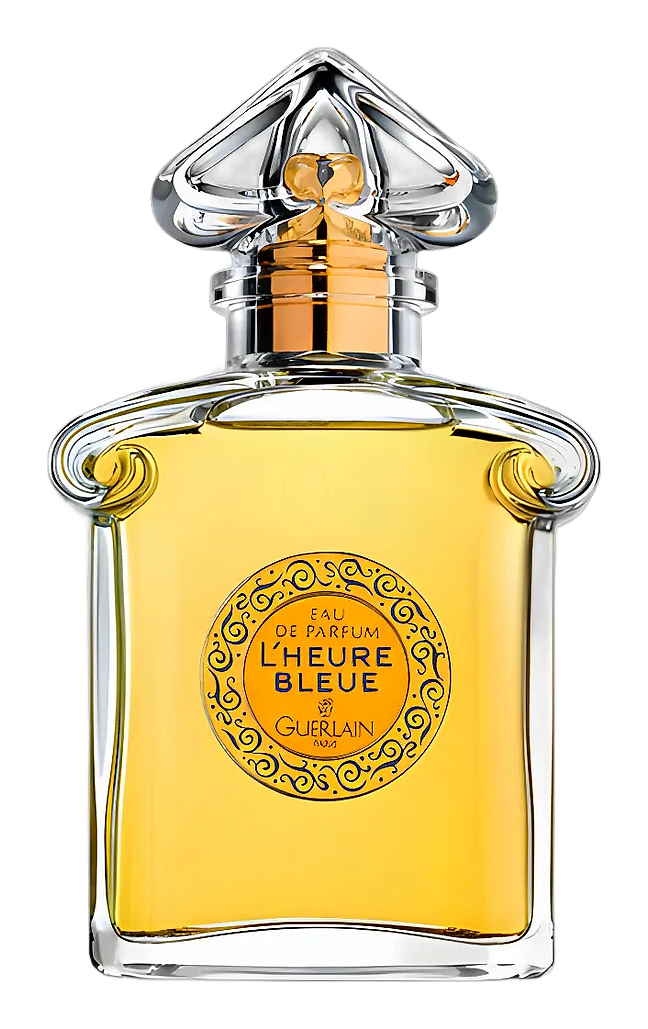
GuerlainGuerlain stands as one of the oldest and most revered perfume houses in the world, founded in Paris in 1828 by Pierre-François-Pascal Guerlain. What began as a boutique on rue de Rivoli quickly became the preferred destination for Parisian society, attracting dandies and elegant women who sought custom-crafted fragrances. The house's influence grew to such heights that Guerlain earned the title of Official Perfumer to Napoleon III after presenting Eau de Cologne Impériale to Empress Eugénie as a wedding gift in 1853. This royal patronage marked the beginning of Guerlain's enduring association with European aristocracy, as the house went on to create fragrances for Queen Victoria and Queen Isabella II of Spain. Today, under the creative direction of Thierry Wasser, the fifth-generation perfumer, Guerlain continues to shape the landscape of fine fragrance with a portfolio spanning over 1,100 olfactory creations. The house remains headquartered at its legendary Champs-Élysées mansion, a historic monument that anchors Guerlain's position at the intersection of heritage and contemporary luxury.
The Creator
Mathilde LaurentMathilde favors a restrained palette that highlights natural essences. She often begins with a clear mineral or green base, then layers luminous florals such as jasmine or orange blossom.