The Story
Why it exists.
The beginning
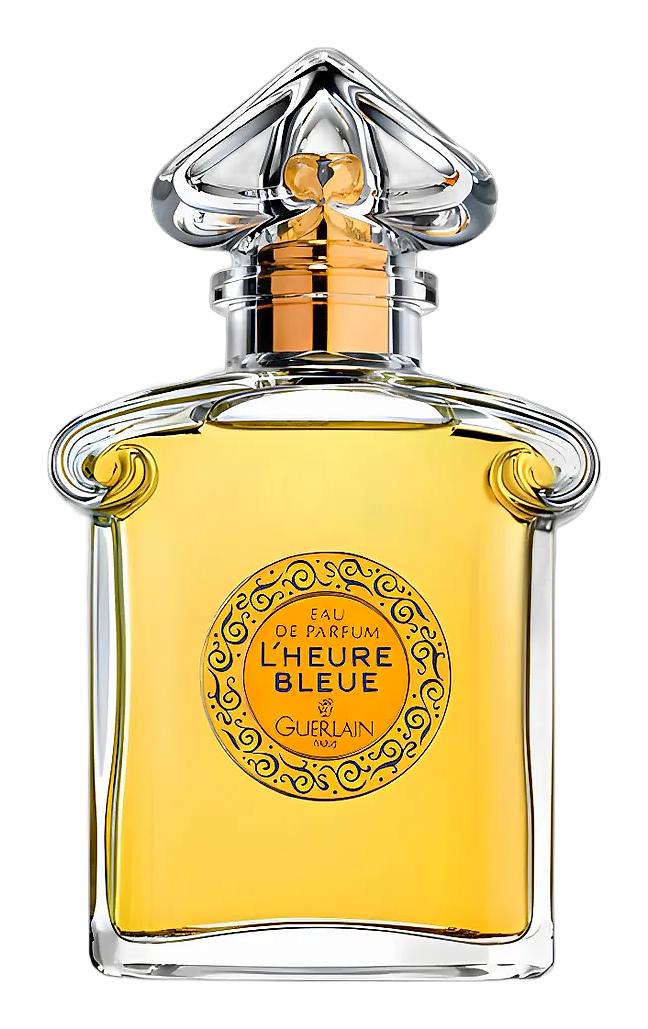
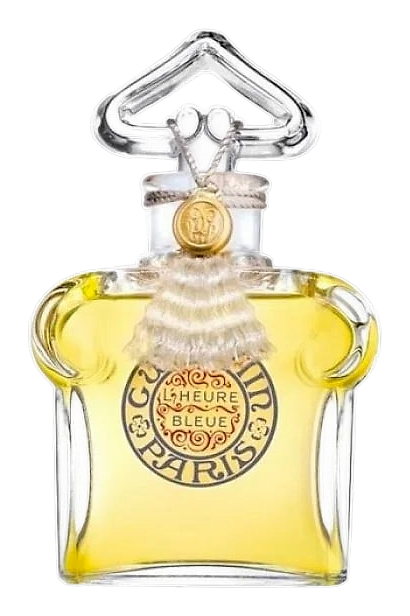
Jacques Guerlain called it L'Heure Bleue, the blue hour, that suspended moment between daylight and dark when color drains from the sky and everything turns still. Launched in 1912, the fragrance arrived as a meditation on twilight and the tenderness it permits: a composition built around restraint, where every note knows when to step back. By 1912, that house's legacy had matured into something less official and more private. L'Heure Bleue was the scent of after, of the pause before arrival, of an evening not yet committed to its own plot. Jacques composed it as one writes a letter meant for a single reader, intimate and unhurried, with the violet-iris heart serving as its quiet declaration of intent.
What makes the composition distinctive is the way Jacques Guerlain handled the iris-violet pairing, two materials that share a powdery register but rarely share space so willingly. He bound them inside a creamy vanilla and benzoin architecture, then used the lift of aniseed and bergamot to keep the whole thing from sinking into dessert. The carnation and neroli in the heart add a faint aromatic spice that prevents the powder from going flat.
The evolution
On skin, the arc is unusually slow and deliberate. The opening reads almost chilly for the first fifteen minutes, aniseed leading with a licorice-husk coolness, bergamot offering only a dim yellow light behind it. The carnation warms in gradually, and neroli arrives like white flowers seen through fog, never crisp, always slightly softened. As the composition settles, the iris takes command, and that's where the fragrance finds its real center: not cold, not sweet, but that specific powder-vanilla register that smells like the last hour of an evening you weren't ready to leave. The violet surfaces next, deeper and more candied than the iris, and the benzoin arrives to thicken everything into something that clings to a cashmere collar.
Cultural impact
L'Heure Bleue has occupied a specific cultural register for over a century: the fragrance associated with Parisian refinement as inherited knowledge rather than performed luxury. It wears as the choice of someone who has been in the room long enough to no longer need to announce it. There is a quiet confidence in the way it presents itself, no opening flourish, no immediate sweetness, just the slow unfurling of powder, iris, and violet in conversation with warmer materials underneath. The composition reads as private rather than public, something chosen rather than displayed.