

The Story
Why it exists.
The beginning
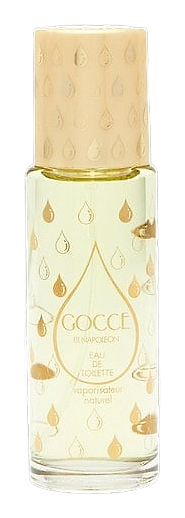
Gocce di Napoleon Passion arrived in 2024 as part of Gocce's Napoleon line, a collection that pairs historical naming with contrasting Italian fragrance moods. The fragrance is built around a vivid contrast rather than a single neat story: bright citrus and pink pepper meet warm cinnamon, while jasmine and ylang-ylang soften into caramel. Its floral heart keeps the sweetness from becoming syrupy, and the base of amber, patchouli, sandalwood, and vanilla gives the composition a grounded, lingering finish. No verified perfumer is named in the available research, so the composition is best read through its notes and its clear sweet-spicy character.
The interesting part is how opposites share the same breath. Citrus brings a clean, lifted start to cinnamon's steady warmth. Jasmine and ylang-ylang bring a polished floral lift, while caramel adds a rounded sweetness. That sweetness meets patchouli, sandalwood, amber, and vanilla below it, where the composition becomes darker and more tactile. The result is less a neat floral perfume than a fragrance with two temperatures, cool brightness at first and warm woods later.
The evolution
Passion begins with a quick lift: citrus flashes, pink pepper adds a rosy edge, and cinnamon introduces a low, sweet heat. The heart then unfolds into jasmine and ylang-ylang, with caramel smoothing the edges. As the fragrance settles, patchouli and sandalwood make the composition feel less floral and more rooted, while amber and vanilla leave a soft, golden trail. On skin, the bright opening gives way to a warmer, rounder drydown that can stay close through the day. What lingers most is the sweet woody base, with vanilla and amber making the final impression gentle rather than sharp.
Cultural impact
Gocce's Italian identity places Passion within a broader language of place, sunlight, and contrasting moods. It sits naturally beside the house's other Napoleon releases as a warm, sweet-spicy expression within that catalogue. Available commentary on reception is limited, so its cultural place is best understood through its naming and the mood it creates rather than claims about broad market response.