The Story
Why it exists.
The beginning
In 2009, Giorgio Armani introduced Armani Code Summer pour Homme as part of a seasonal duo, paired with its feminine counterpart to capture the spirit of Mediterranean summer. The concept: translate sunlit coastlines, salt-tinged air, and unhurried pace into scent. Unlike the original Code, this edition pushed toward brightness, sharper citrus, aquatic notes, a cooler herbal character. It was Armani asking what summer confidence smells like when you don't have to prove anything. Released in April that year, it arrived in a 75 ml collectors' flacon as part of the house's seasonal ritual.
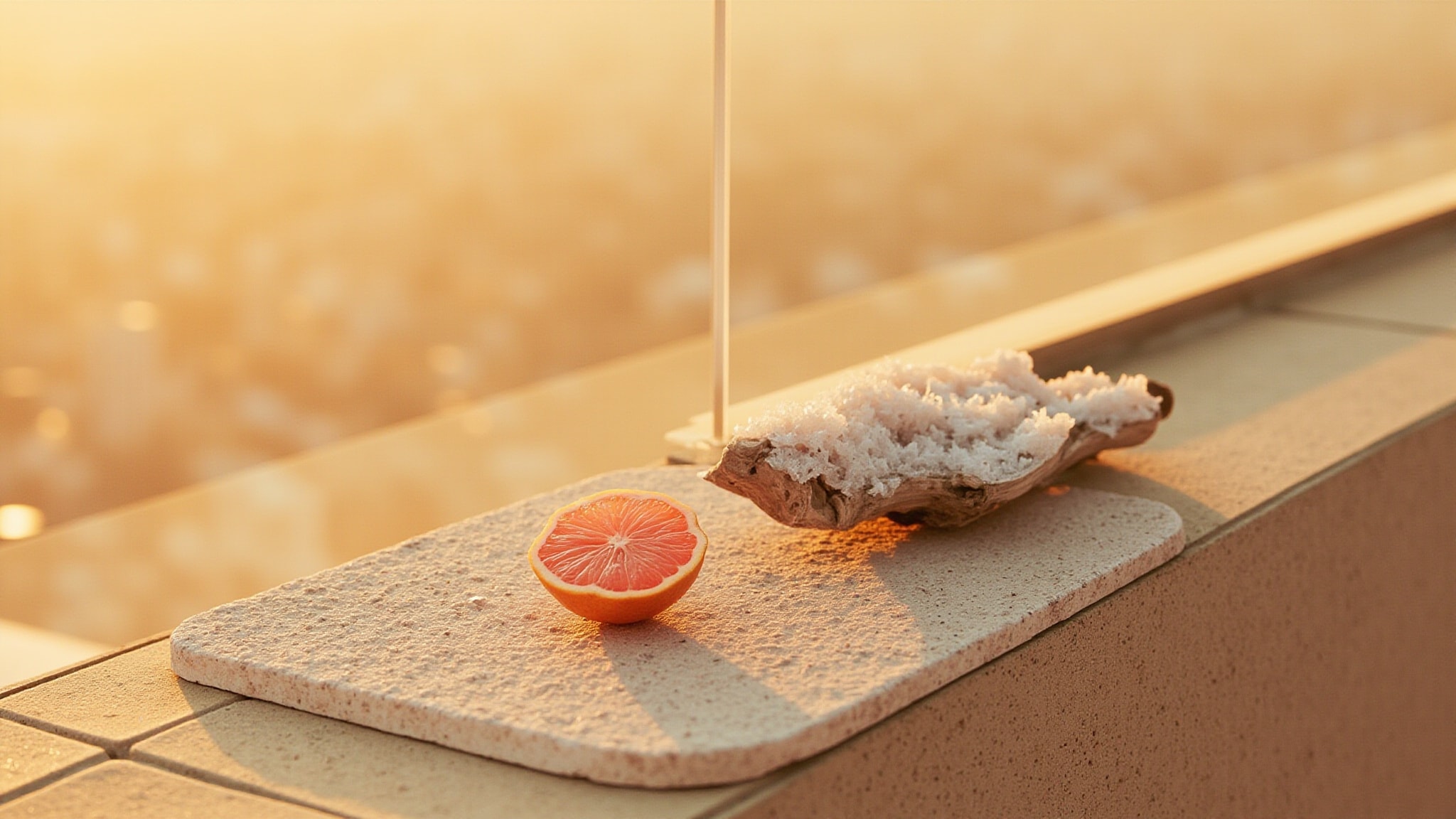
The composition pairs grapefruit, aggressively citrus, almost bitter, with aquatic notes and neroli, creating an opening that smells like jumping into the sea. Then tarragon and rose arrive, an unusual combination in men's fragrance that gives the scent its signature cool, herbal character. Rose in a masculine summer flanker could have gone sweet. It doesn't. The guaiac wood and amber base grounds everything, preventing it from becoming just another fresh seasonal release. There's weight underneath the brightness here, warmth the heat can't burn off.
The evolution
For the first twenty minutes, it's pure Mediterranean: grapefruit, bergamot, a sharp hit of neroli, the kind of freshness that makes you breathe deeper. Salt air off warm stone, that first breeze off the water. Then the aquatic notes soften, and tarragon and rose take over, shifting the scent into herbal coolness. This is where Code Summer differs from its siblings, that herbal edge gives it personality where other flankers just repeat. By hour two, the rose fades and guaiac wood and amber settle in, creating a warm, intimate drydown that clings close. On fabric, it can last into the next morning. On skin, expect six to eight hours with moderate sillage, close enough to intrigue, never announcing itself.
Cultural impact
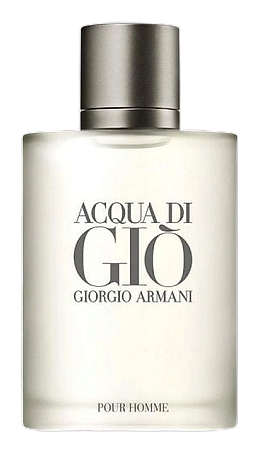
Armani Code Summer exists in the tradition of the house's seasonal rituals, flankers that explore a single concept without losing the original's identity. Released in 2009 as part of a paired launch with its feminine counterpart, it joined a lineage that includes the iconic Acqua di Giò and the original Code. The summer editions don't dominate headlines the way main releases do, but for those who seek them, they're rewards: more adventurous, more specific, built for a narrower moment.