The Story
Why it exists.
The beginning
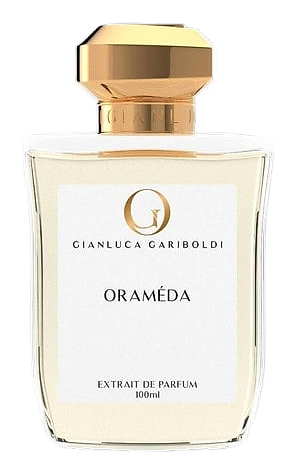
Oraméda is Gianluca Gariboldi's citrus-fruity floral for 2026, a fragrance built around the natural landscape of Florida. The composition reads like a place the wearer inhabits rather than a product on a shelf. Oraméda is his version of Florida: not the postcard, but the lived-in version, citrus on the skin, humidity in the air, white flowers opening as the light shifts. There's a generosity in the opening that sets the tone immediately. Bergamot and sweet orange arrive with that sun-warmed tartness, then plum steps in to soften the edges with a rounded, almost jammy quality. Lemon cuts through just enough to keep things from going sweet, and ginger threads underneath everything, not as sharp heat but as a clean, lifting spice that makes the citrus feel more alive.
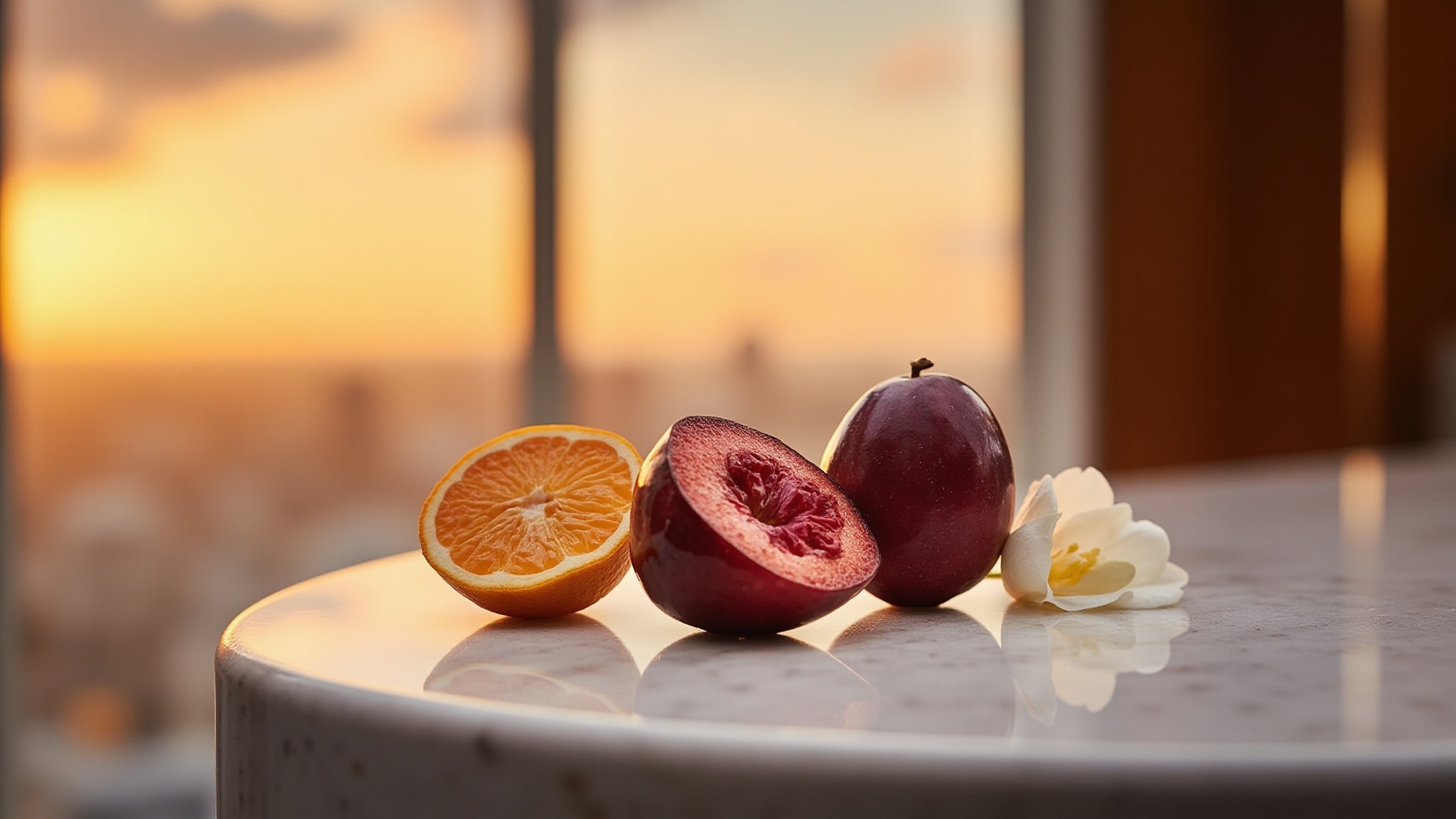
What makes Oraméda interesting is the tension between its bright top and its grounded base. The opening pours out bergamot, sweet orange, lemon, plum, and ginger in quick succession, almost layered like a citrus still-life, but the heart turns plush with rose, violet, and cashmere wood, a sweetness that feels touched rather than syrupy. Tonka bean sits at the threshold between florals and amber, softening both ends with its almond-edged, low sweetness that bridges without dominating.
The evolution
The first thirty minutes belong to citrus and plum. Sweet orange and bergamot arrive bright, almost tart, then the plum rounds the edges, juicy and faintly jammy. Ginger runs underneath, not as heat but as a clean spice, the kind that makes everything around it feel more awake. Lemon cuts across the top, sharpening the orange's sweetness into something more crystalline. The opening has that lifted, effervescent quality of a fragrance that knows how to make an entrance without shouting. Around the one-hour mark the white flowers emerge, rose first, then violet, with cashmere wood giving the whole heart a brushed, fabric-like softness. Tonka adds a low sweetness, almost almond-like, that bridges toward the base. The transition feels natural, less like a shift between phases and more like watching the light change outside a window.
Cultural impact
Oraméda wears its Florida reference without leaning on tropical cliché. There's no coconut, no synthetic pineapple sweetness, no beach-towels-and-sunscreen shorthand. Instead the composition earns its geography through specifics: bergamot and sweet orange that smell like they've ripened in actual heat, plum that carries the bruised-skin quality of fruit left in a bowl too long, ginger that feels more like spice-cabinet than cocktail garnish. The white florals in the heart (rose, violet, cashmere wood) read less like a bouquet and more like what's already growing nearby, present without being performed.









