The Story
Why it exists.
The beginning
Future Society's 2026 release asks a strange question: what does rain smell like before it hits the ground? The fragrance centers on that fleeting interval, the moment when moisture gathers in the air long before the first drops fall, and the scent of that gathering becomes the entire composition. Perfumer Michael Nordstrand translated the concept into a build that opens on violet leaf and eucalyptus, a cool green pair that suggests damp vegetation rather than open sky. As the top settles, pear enters with a crisp sweetness, joined by black tea that softens the edges and pulls the composition toward something warmer. The base is hushed musk and orris, a quiet close that stays close to the skin.
What makes this composition unusual isn't the note list. It's the restraint. Future Society could have leaned harder on the aquatic accord, splashed more synthetic ozone across the opening. The pear adds sweetness without tipping into fruit, holding a line between ripe and just-picked. Black tea bridges the green top and the powdery orris heart, lending a tannic dryness that keeps the sweetness from taking over. The violet leaf carries a faint metallic edge that reads more like crushed stems than like any flower. Musk at the base is dry and close-wearing, never soapy, never loud.
The evolution
The opening belongs to violet leaf and eucalyptus: cold, green, slightly bitter, the kind of smell that clears your head on a damp morning. There's a crushed-stem quality to the violet leaf, and the eucalyptus adds a mentholated snap that sharpens everything around it. Pear surfaces as the top begins to soften, sweet but not sugary, more like biting into something crisp and underripe. Black tea and blue lotus take over as the composition warms on skin, lending a soft floral warmth that feels far away from the opening's chill. The tea reads more as dry leaf than as brewed cup, an herbal tannin that tightens the blend. The drydown is where the fragrance quiets completely. Musk and orris root settle in, powdery and skin-close, staying close to the body rather than radiating outward. The orris adds a suede-like grain, almost mineral, while the musk rounds it into something intimate and warm.
Cultural impact
Wandering Rain landed in 2026 alongside Cloud Reverie. Where many rain-themed fragrances lean on synthetic ozone and sharp aquatic accords, this one stays stubbornly green, trading the wet-pavement read for something closer to crushed leaves and damp stems. The composition has drawn comparisons to denser, more contemplative houses in the niche world, though the bottle and pricing sit firmly in the accessible range. It reads less as a statement scent and more as an atmosphere in a bottle, the kind of thing that changes the temperature of a room without announcing itself.
The House
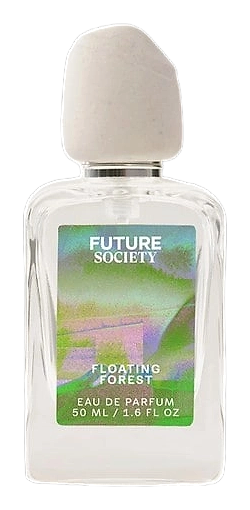
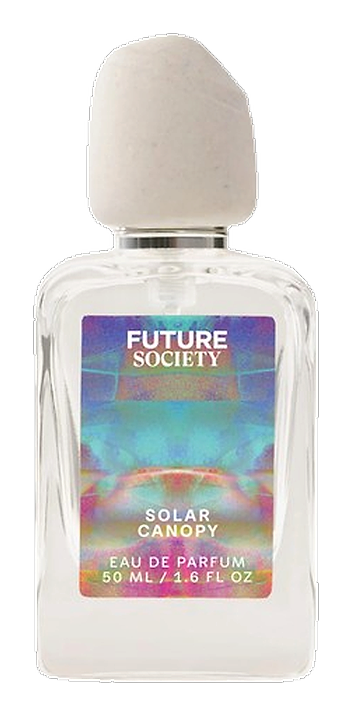
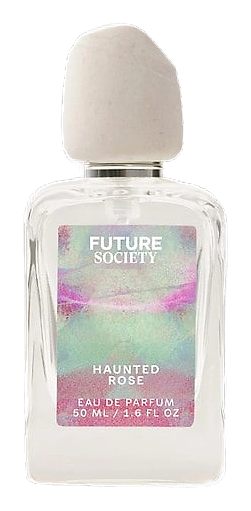
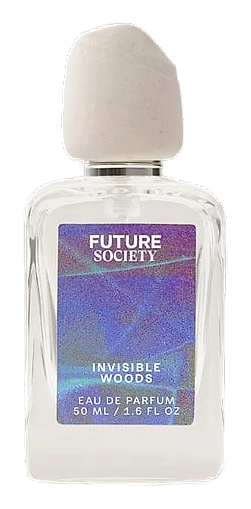
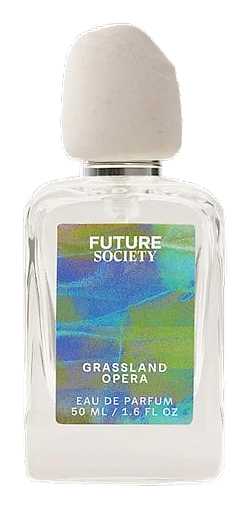
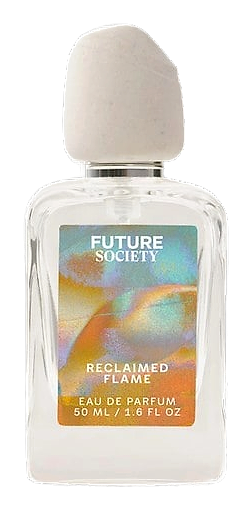
Future SocietyFuture Society builds fragrance from biology. The brand translates DNA from extinct plants and atmospheric samples into scented oils that never existed in a modern garden. Launched in 2023, it released six inaugural scents—Floating Forest, Solar Canopy, Grassland Opera, Haunted Rose, Reclaimed Flame and Invisible Woods—each tied to a lost ecosystem. By 2026 the line grew with Cloud Reverie, a perfume that captures the aroma of high‑altitude vapor. The approach blends scientific analysis with artistic composition, offering collectors a scent that feels both familiar and impossible.
The Creator
Michael NordstrandNordstrand builds his scents in layers, starting with a precise opening that frames the composition before unfolding into a complex heart and a lingering base. He favors bright citrus sparks, rich resins such as labdanum, and nuanced woods like sandalwood and oud.