The Story
Why it exists.
The beginning
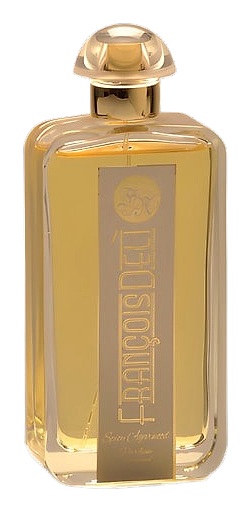
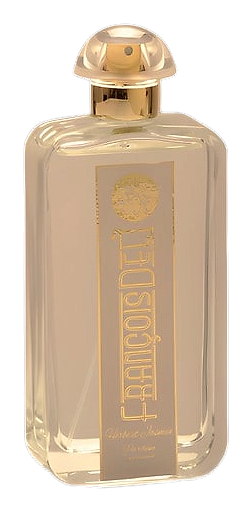
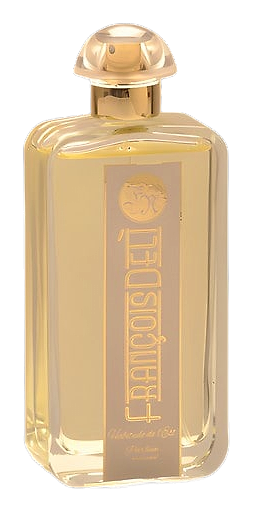
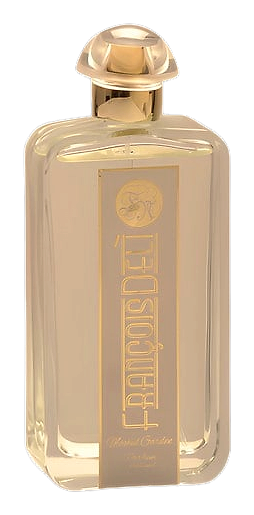
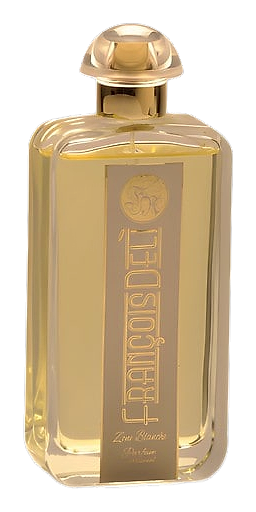
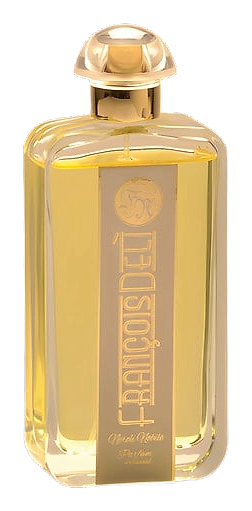
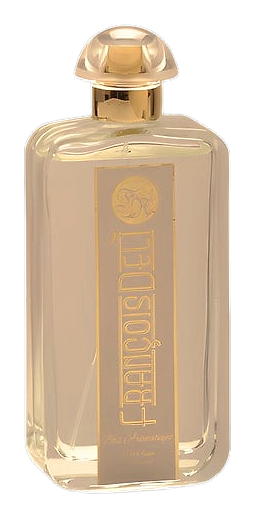
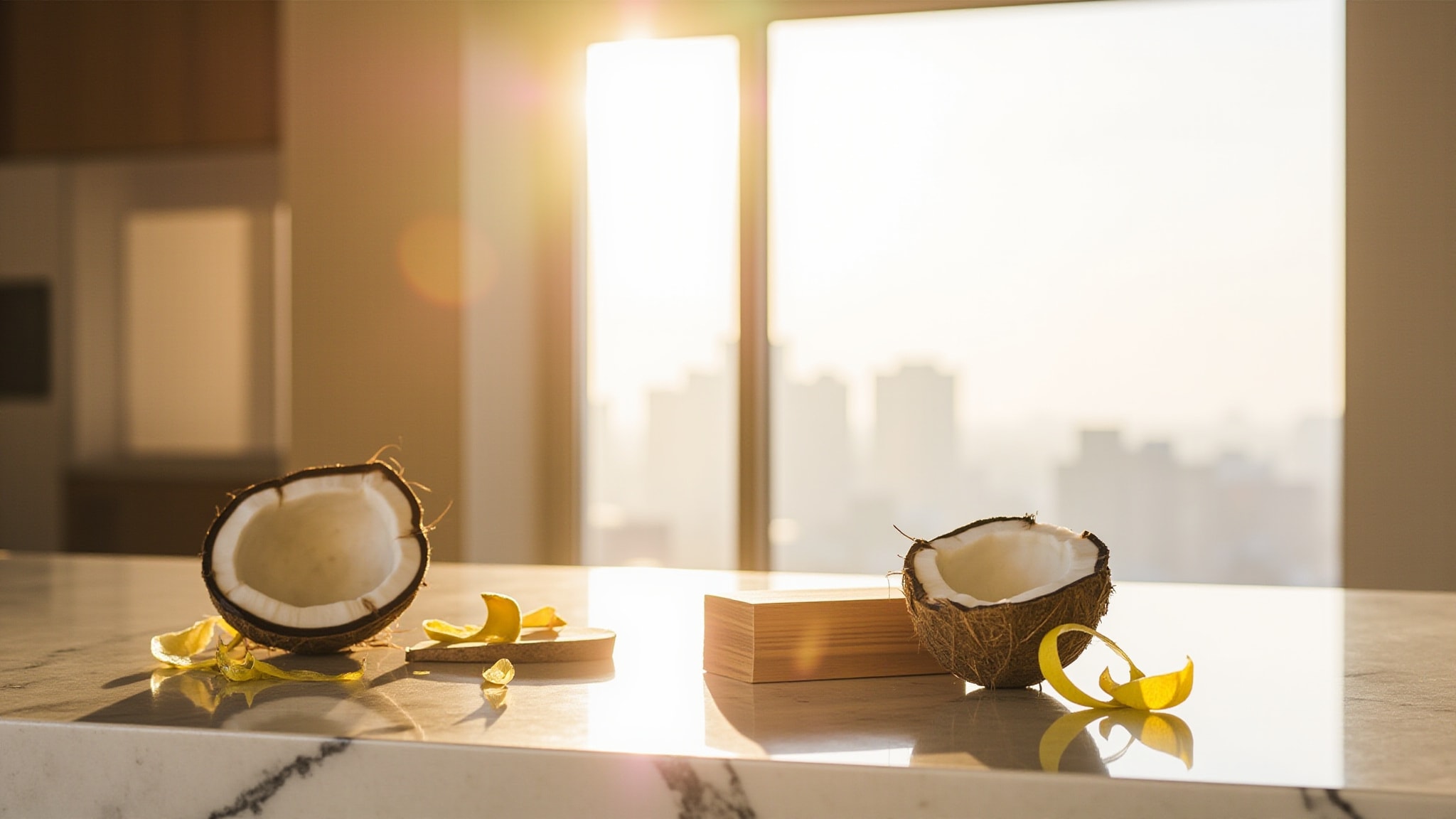
Bois Aromatique arrived in 2012 from François Delì. Its name points toward aromatic woods, while the composition takes a less expected route by placing that woody frame around coconut, lemon, and a bouquet of hyacinth, jasmine, rose, and violet. There are no verified details about a specific inspiration, campaign, or launch concept behind the scent. What can be read clearly is the idea in the formula itself: the contrast of smooth wood tones with the rounded sweetness of coconut and the sharp lift of lemon, followed by a floral passage that feels leafy and lightly powdered. On skin, the opening reads bright and close, the middle gathers into green floral density, and the base settles into a dry, woody trail that stays close to the wearer as the hours pass.
The striking part is the conversation between opposite textures. Coconut gives the opening a creamy, almost sun-warmed softness, but hyacinth and violet keep it from becoming sugary. Jasmine and rose add a polished floral center, with a powdery rather than lush character suggested by the main accords. Ambergris and cedarwood then pull the composition toward dry woods. The result sits between a green floral and a refined woody scent, unusual without feeling unruly.
The evolution
At first, coconut and lemon create a bright, creamy-fresh entrance with the rounded character of tropical fruit and the snap of citrus. That brightness soon gives way to hyacinth, jasmine, rose, and violet, creating a floral middle that feels leafy, powdered, and slightly green rather than lushly romantic. The coconut note can be subtle enough to read almost like a soft, woody texture in the opening, so the bouquet and citrus provide the clearest points of recognition. As the floral heart recedes, ambergris and cedarwood become more apparent, leaving a cleaner and drier trail with the polish of aromatic wood. The wear moves in stages: a sparkling opening that catches attention early, a green floral stretch where hyacinth and jasmine lend a cool herbal edge, and a slower drydown in which rose and violet settle toward the wood.
Cultural impact
Bois Aromatique offers an alternative to familiar floral-woody conventions, placing coconut and citrus beside green flowers and polished woods in a combination that rewards close attention. The opening is bright and creamy at once, with lemon lifting the rounded sweetness of coconut. Hyacinth, jasmine, rose, and violet then take over with a leafy, lightly powdered character, less dense and less romantic than a classic bouquet. As those florals recede, ambergris and cedarwood draw the composition toward a dry, mineral warmth that sits close to the wearer.
The House
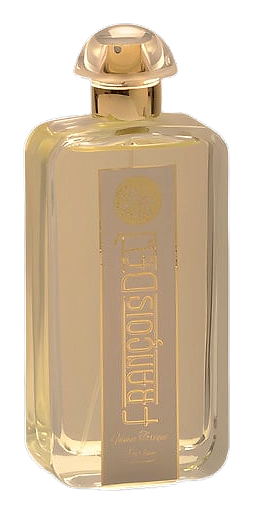
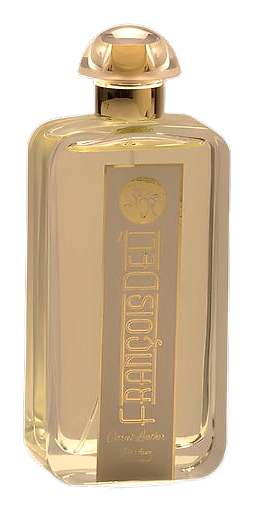
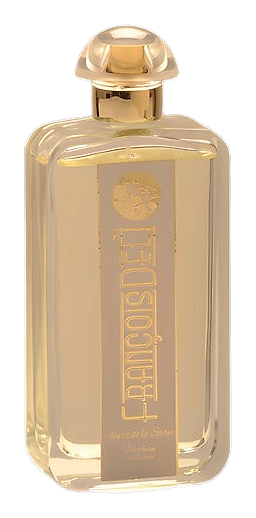
Francois DeliFrancois Deli represents an intriguing presence in contemporary perfumery, operating as an independent fragrance house that has released a collection of notable scents beginning around 2012. The brand's catalog includes fragrances such as Sweet Tobacco (2013), Citrus Leather (2012), Bois Aromatique (2012), and several other compositions that demonstrate a willingness to explore contrasting olfactory territories. The house appears to favor evocative, evocative naming conventions that suggest narrative depth and sensory storytelling. Without extensive third-party documentation readily available, the precise origins and creative philosophy of Francois Deli remain somewhat opaque compared to more extensively documented heritage houses. What is evident from the fragrance lineup is an apparent interest in both traditional and unexpected material combinations, with releases spanning woody, aromatic, and more unconventional scent profiles.
The Creator
François DelìDemachy’s signature lies in clean construction, tonal balance and the polished contrast of accords. Textures may move between luminous freshness, dry woods, soft florals and richer spice, but they rarely depend on a single dominant note.