The Story
Why it exists.
The beginning
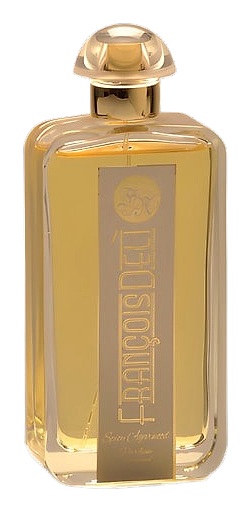
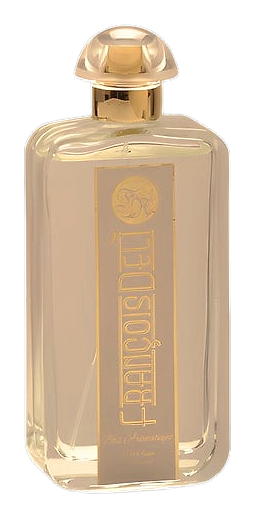
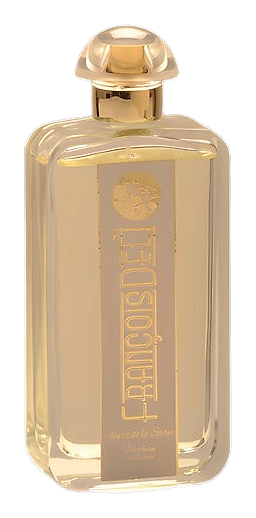
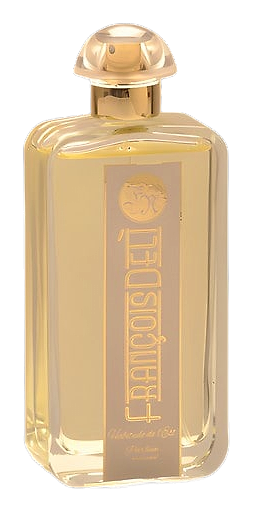
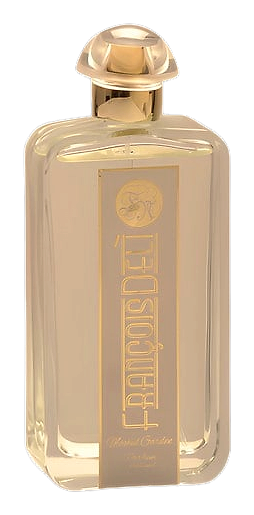
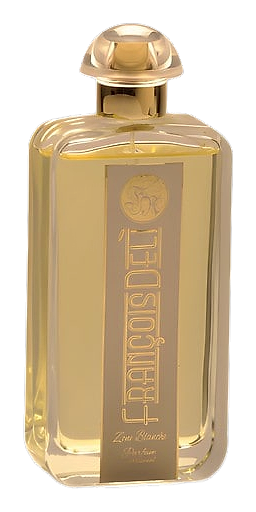
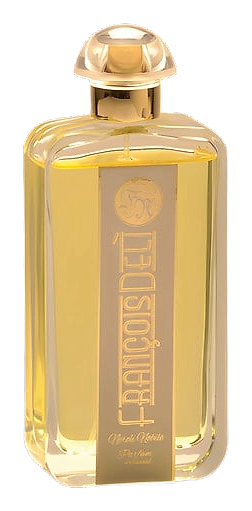
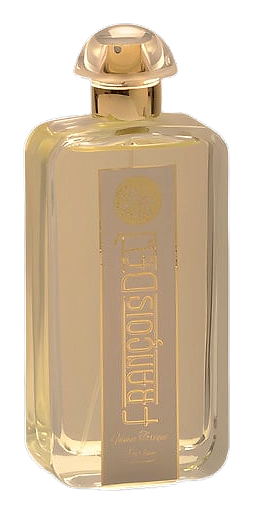
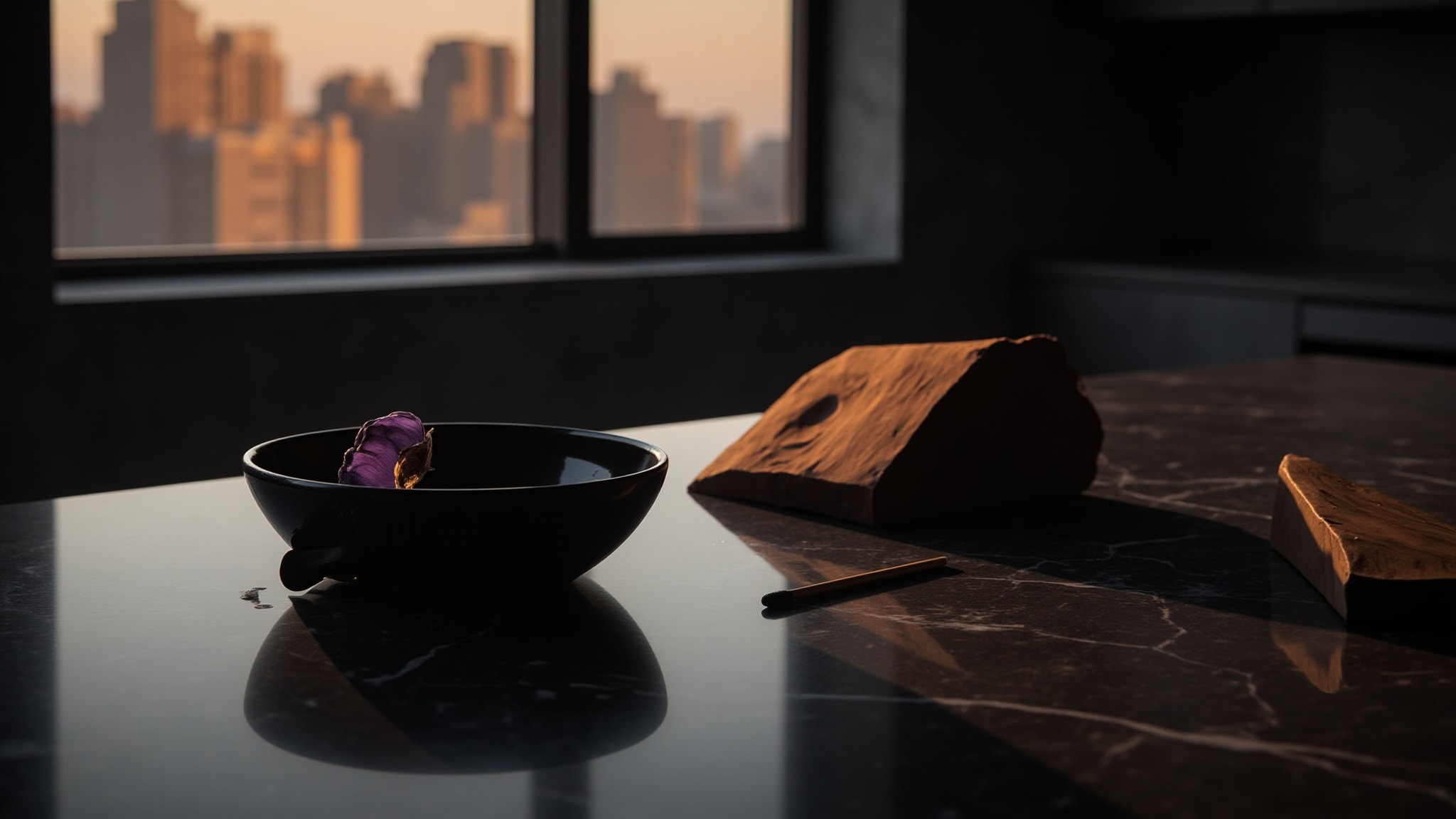
Fumee Toxique arrived in 2012 from François Delì, a fragrance composed by the perfumer whose name carries the house's identity. Its name points toward toxic smoke, an idea made tangible through a sharp violet entry, cedar and sandalwood at the center, then ambergris and musk underneath. The composition doesn't need a literal story of smoke or a documented place to explain itself. Its materials do that work, building a fragrance that feels dark, woody, and slightly difficult to dismiss. For anyone drawn to the independent side of French perfumery, Fumee Toxique arrives with a clear point of view: provocative naming, restrained presentation, and a scent that favors atmosphere over obvious brightness.
What makes Fumee Toxique distinctive is the tension between violet's cool, powdery quality and the woods that follow it. Cedarwood brings a dry vertical edge, while sandalwood makes the center feel smoother and more tactile. The base of ambergris and musk then adds a skin-level softness, giving the smoky woody structure somewhere intimate to land. That progression matters. The composition can read dark without becoming flat, and its woody accords gain a certain lift from the violet rather than disappearing into heaviness.
The evolution
The opening starts with violet, but not in the neat, polished register you'd expect. It arrives as a cool powdery brightness that quickly meets the darker side of the composition. As the fragrance settles, cedarwood and sandalwood take over, making the center drier, warmer, and more distinctly woody. The smoky, resinous, and balsamic character becomes easier to read here, though the violet keeps the whole thing from becoming blunt. Then ambergris and musk soften the edges. What lingers is less about a single dramatic gesture and more about a polished trail, with woods still present as the fragrance settles closer to skin. By the end, the composition feels quieter, warmer, and more tactile, like the afterglow of something smoked earlier.
Cultural impact
Francois Deli occupies the independent, sensory-curiosity end of perfumery, where evocative naming and contrast matter more than broad cultural reach. Fumee Toxique sits naturally within that register: a men's fragrance built around atmosphere, woody depth, and a slightly provocative idea of smoke. It shares the dark woody territory associated with Black Oud by LM Parfums, but its violet, powdery, and balsamic character gives it a distinct place within that circle.
The House
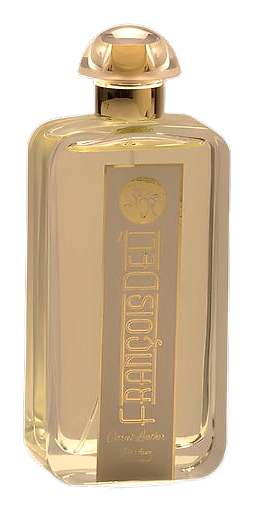
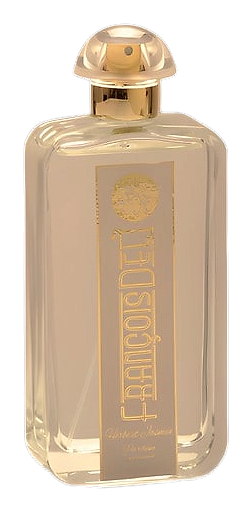
Francois DeliFrancois Deli represents an intriguing presence in contemporary perfumery, operating as an independent fragrance house that has released a collection of notable scents beginning around 2012. The brand's catalog includes fragrances such as Sweet Tobacco (2013), Citrus Leather (2012), Bois Aromatique (2012), and several other compositions that demonstrate a willingness to explore contrasting olfactory territories. The house appears to favor evocative, evocative naming conventions that suggest narrative depth and sensory storytelling. Without extensive third-party documentation readily available, the precise origins and creative philosophy of Francois Deli remain somewhat opaque compared to more extensively documented heritage houses. What is evident from the fragrance lineup is an apparent interest in both traditional and unexpected material combinations, with releases spanning woody, aromatic, and more unconventional scent profiles.
The Creator
François DelìDemachy’s signature lies in clean construction, tonal balance and the polished contrast of accords. Textures may move between luminous freshness, dry woods, soft florals and richer spice, but they rarely depend on a single dominant note.