
The Story
Why it exists.
The beginning
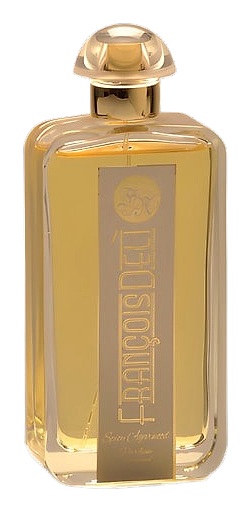
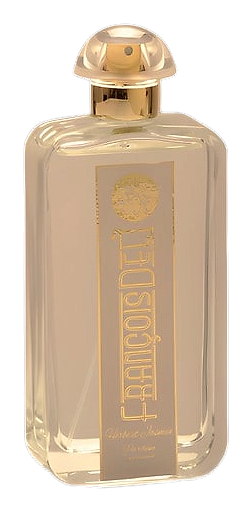
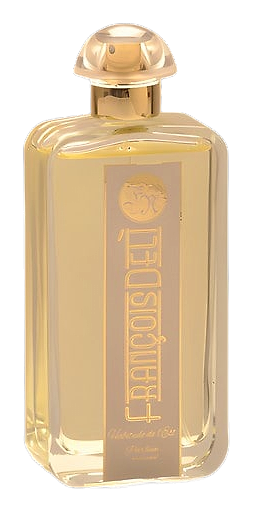
Habitude de l'Est arrived in 2012 from François Deli. The available record gives no detailed account of the brief or the inspiration behind the name, so the composition itself tells the story: elemi and saffron create an aromatic opening, patchouli and sandalwood give it weight, and tobacco brings a darker, more human register. The result is an amber-spicy woody fragrance that feels less decorative than inhabited. It doesn't ask for a specific occasion or a grand mythology. It simply lays its contrasts out clearly, bright resin and saffron against dry wood, tobacco, and warm sweetness. As the opening settles, the sharper spice softens into the denser heart, where patchouli lends earthy depth and sandalwood adds a smooth, polished texture.
The interesting part is how tightly contrasted the materials are. Elemi carries a cool, resinous brightness beside saffron's metallic spice, while patchouli introduces earth and sandalwood a smoother grain. Tobacco adds a dry, smoky depth that makes the woody accord feel less polished and more lived-in. Ambergris, Gurjan Balsam, and vanilla then anchor the composition with warmth and resinous depth. Nothing here needs to shout. The structure works through handoffs, letting each note change the temperature and texture of the whole.
The evolution
The opening begins with a cool flicker of elemi and saffron, sharp enough to register before the composition turns woody. As those notes recede, patchouli, sandalwood, and tobacco take over, replacing aromatic brightness with dry earth, smooth grain, and smoke. The heart feels more substantial, even if the trail stays moderate rather than theatrical. The initial brightness gives way gradually, and the fragrance becomes darker and more textured as the woody notes settle in. Patchouli keeps the center grounded, while sandalwood softens the sharper edges of the opening. Tobacco adds a dry, faintly smoky depth that sits comfortably alongside the resinous warmth. Later, ambergris, Gurjan Balsam, and vanilla pull the fragrance toward warmth and softness without erasing its darker core.
Cultural impact
Habitude de l'Est stands apart through its expressive woody profile and the way it balances aromatic brightness with darker, drier materials. Its appeal rests on contrast and personal taste, making it relevant to wearers who explore beyond familiar categories. The source material also places its aroma near Duro by Nasomatto and Oscent White by Alexandre.J, while its ambery woody register also draws comparison with Aoud Musk by Montale.
The House
Francois DeliFrancois Deli represents an intriguing presence in contemporary perfumery, operating as an independent fragrance house that has released a collection of notable scents beginning around 2012. The brand's catalog includes fragrances such as Sweet Tobacco (2013), Citrus Leather (2012), Bois Aromatique (2012), and several other compositions that demonstrate a willingness to explore contrasting olfactory territories. The house appears to favor evocative, evocative naming conventions that suggest narrative depth and sensory storytelling. Without extensive third-party documentation readily available, the precise origins and creative philosophy of Francois Deli remain somewhat opaque compared to more extensively documented heritage houses. What is evident from the fragrance lineup is an apparent interest in both traditional and unexpected material combinations, with releases spanning woody, aromatic, and more unconventional scent profiles.
The Creator
François DelìDemachy’s signature lies in clean construction, tonal balance and the polished contrast of accords. Textures may move between luminous freshness, dry woods, soft florals and richer spice, but they rarely depend on a single dominant note.