
The Story
Why it exists.
The beginning
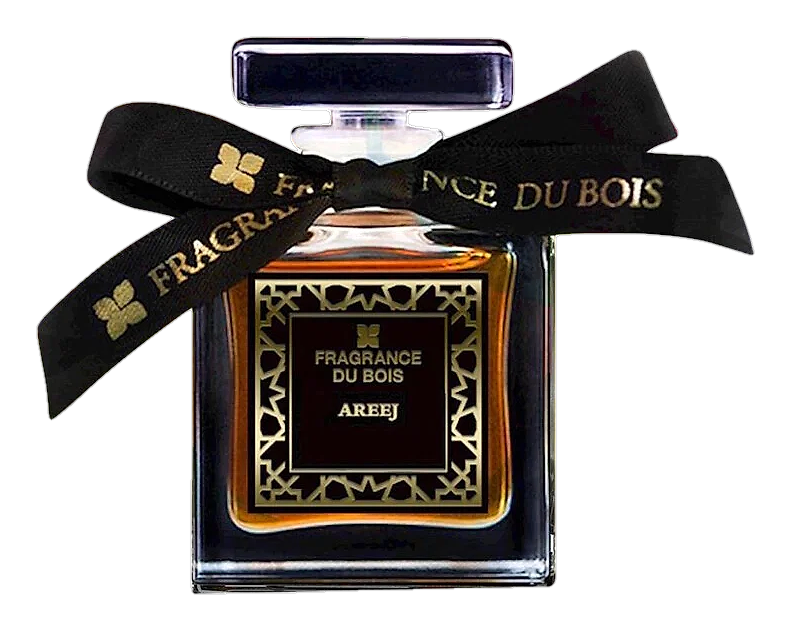
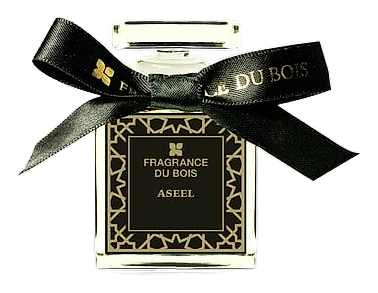
Aseel launched in 2020, composed by Shadi Samra for Fragrance Du Bois. The word itself means "original" or "pure" in Arabic, and that is precisely the territory the perfumer aimed for, a composition that treats cardamom and oud oil not as exotic ornaments but as the prevailing cultural vocabulary of the Arabian Peninsula, familiar and unforced. Samra's intention reads clearly in the juice itself: take two of the region's most recognizable materials and let them argue productively across a full wear, rather than letting either one dominate from the first spray. What emerges is a fragrance that feels rooted in place, drawing on a shared aromatic language that has perfumed homes, gatherings, and personal rituals across the Gulf for generations.
What makes Aseel worth attention is its restraint with materials that usually shout. Indian oud and agarwood share the base alongside white musk and cedar, a pairing that grounds the resinous depth in something almost architectural. The top and heart, built around ginger, cardamom, bergamot, geranium, nutmeg, and coriander, keep the composition speaking in spice and herb rather than leaning on the oud's gravitational pull. It is a structure that respects the wood without worshipping it, the way a good host uses an expensive ingredient without showing off the receipt.
The evolution
The opening belongs to the spices. Cardamom arrives almost dry, a green pod cracked between fingers, joined by ginger's clean heat and a thread of bergamot that keeps things from going heavy too soon. The geranium steps forward early with a dusty, rose-adjacent coolness, and nutmeg wraps around the coriander in something close to toasted grain. None of it lingers at full strength for long. As the composition shifts, the top notes recede and the base takes over: Indian oud arrives not as barnyard funk but as polished resin, slightly sweet, slightly medicinal, set against cedar's dry grain. The white musk underneath stays quiet, skin-close, and it is the musk more than the oud that carries the drydown through its later stages. What remains at the end is a faint cedar-and-mus haze, warm and clean, the kind of trace that makes you lean into your own jacket collar.
Cultural impact
Aseel occupies an interesting middle ground in the oud category. It does not chase the barnyard, animalic extremes that define traditional Arabian oud oils, nor does it sand the wood down into the skin-scent register that mainstream audiences often expect. Instead, it builds a bridge: the cardamom-and-spice opening is instantly legible to anyone familiar with Gulf perfumery, while the cedar-and-musk drydown keeps it accessible to wearers encountering oud for the first time. The fragrance's restraint is part of its quiet achievement.