
The Story
Why it exists.
The beginning
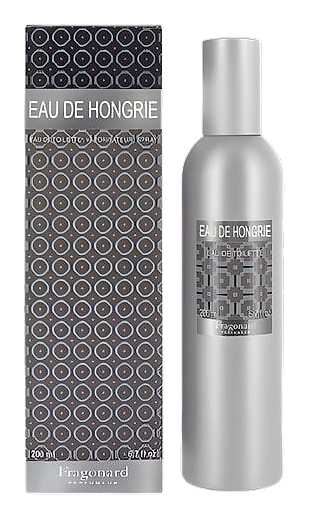
The name says Hungary, and the 14th century, this fragrance draws from one of the oldest documented fragrance traditions in Europe. Hungarian perfumery predates the French industry by centuries, built around herbalism, essential oils, and the kind of simple, powerful compositions that survived because they worked. Fragonard distilled that history into something wearable in 1979, when men's fragrances were still figuring out what masculinity could smell like. The brief was clear: bergamot and jasmine on amber and cistus, done with restraint. No excess. No performance. Just a fragrance that charmed quietly and let the wearer take credit.
What makes this composition unusual is the melon. Not a common note in masculine fragrances from any era, it's sweet without being sugary, watery in a way that keeps the lavender from being too medicinal. The galbanum in the heart is the bridge: green and slightly bitter, it pulls the sweetness back toward earth before the jasmine and lily of the valley fully open. Those white florals are the real move here, they're the thing that keeps a 1979 masculine from smelling like aftershave in 2024. Cedar and labdanum in the base don't overpower. They warm. They last. They let the florals keep talking underneath.
The evolution
The bergamot opens clean, a bright citrus that reads more citrus than cologne. The melon arrives within minutes, softening the bergamot's edges and introducing a quiet sweetness that feels unexpected for a masculine from this era. The lavender doesn't dominate. It's there, aromatic and familiar, but the melon keeps it honest. Around the thirty-minute mark the white florals emerge: jasmine first, then lily of the valley rising through the green galbanum. The transition is smooth, almost imperceptible, the citrus doesn't disappear so much as recede. By the second hour the amber and cedar take over, building a warm, dry base that stays close to the skin. Four to six hours is the range, and on most skin types it fades politely rather than vanishing. The cedar lingers longest, the drydown smells like clean wood, the kind that stays on a wool tie long after you've taken it off.
Cultural impact
Eau de Hungary arrived in 1979, a period when men's fragrance was shifting away from the heavyOrientals of the 1960s toward something cleaner, more wearable. The melon-lavender combination was common in that era, but the white floral heart set this apart, florals were still rare in masculine compositions, and using jasmine and lily of the valley as structural notes rather than accents was a quiet statement. The fragrance found its audience among men who wanted sophistication without loudness, and it kept them.